Geomechanics, Streamlined.
© 2026 Geomechanics.io. All rights reserved.
50 articles tagged with Failure
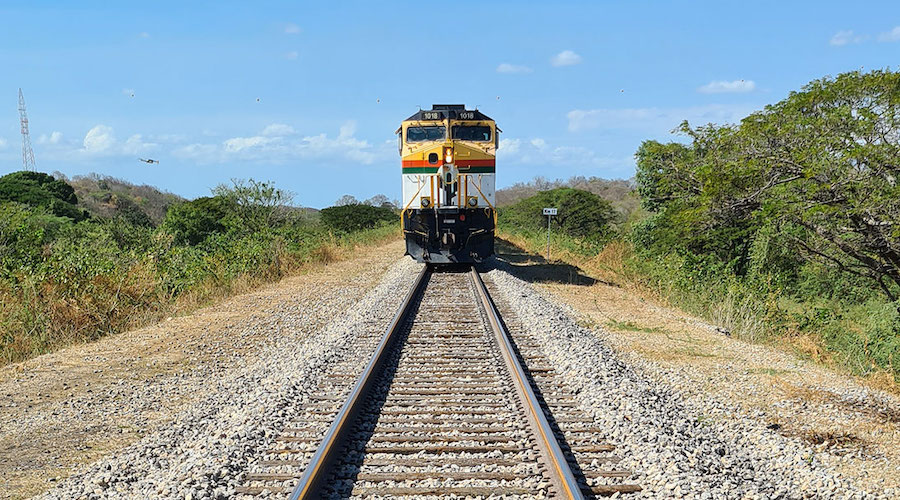
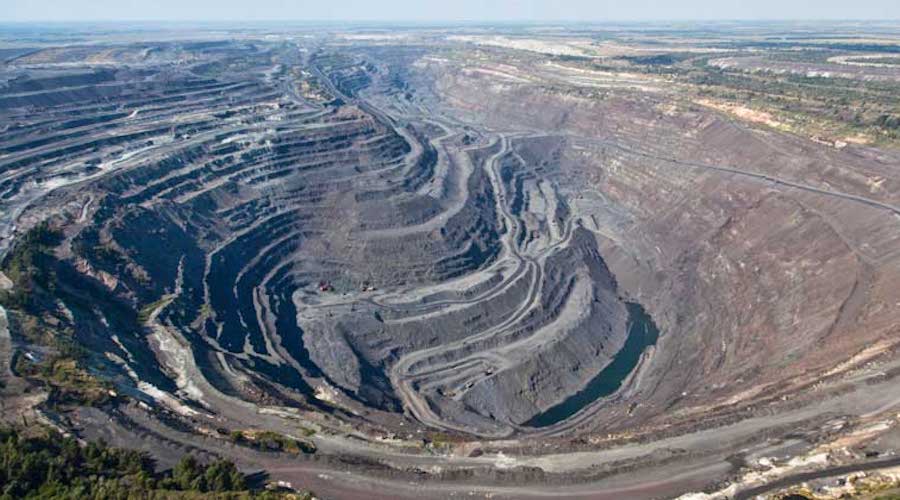
Glencore has halted rail operations at its Cerrejón coal mine in Colombia after explosives hit its 150 km railway near Uribia, La Guajira, damaging a train in the sixth attack on the corridor this year. The mine itself, one of the world’s largest open pits with 2025 output of 16.8 million tonnes, continues operating while the National Army secures the line and engineers await access for damage assessment. Prolonged repairs could again choke inbound supplies and coal exports via Puerto Bolívar, exposing the operation’s heavy reliance on a single transport corridor.
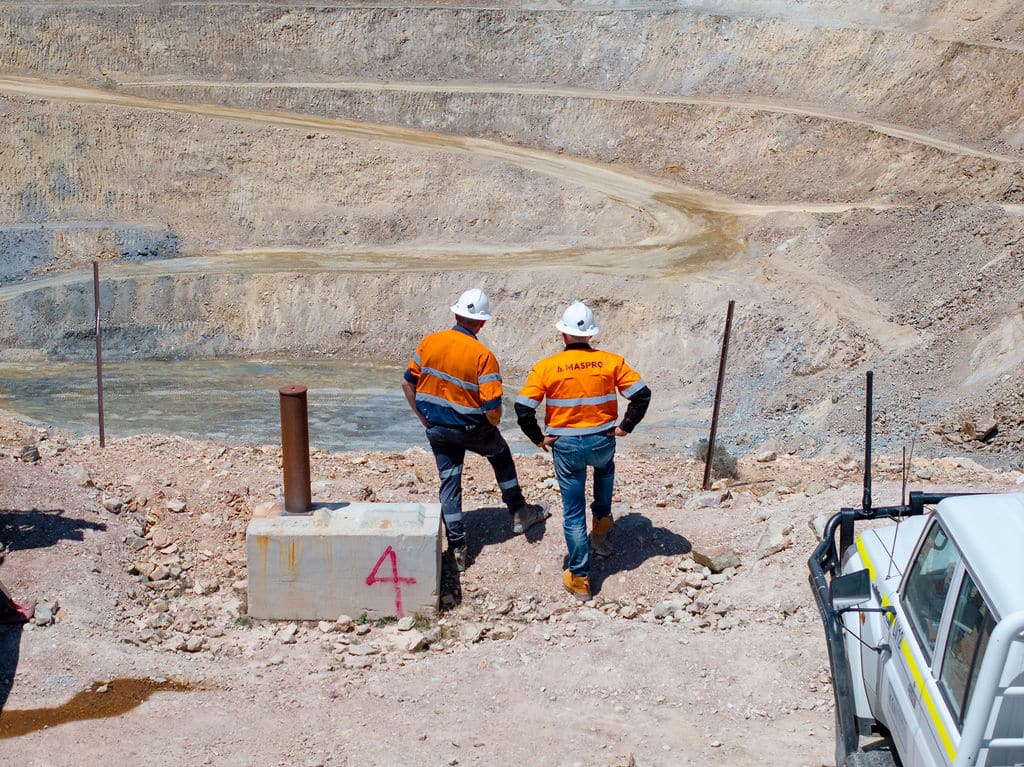
Recurring failure of mining machine components is framed as a design signal rather than a pure maintenance issue, with repeated breakdowns driving higher planned and unplanned interventions and cutting equipment availability. MASPRO points to patterns such as identical wear on crusher liners or repeat cracking in the same boom or bucket locations as evidence that load paths, material selection or geometry need re-engineering, not just parts replacement. Reliability teams are urged to treat failure data as feedback for redesign, integrating field wear measurements and failure modes into upgraded component specifications.
Rail services between Watford Junction and London Euston were disrupted on 11 September by a lineside fire and a burst water main that flooded adjacent track, forcing service suspensions and diversions on the West Coast Main Line. Network Rail incident response teams were dispatched to extinguish the fire, inspect overhead line equipment and check for heat damage to ballast and sleepers, while separate crews worked to isolate the main and pump water clear of the formation. Engineers will need to assess subgrade softening, track geometry and signalling integrity before full line speed can be restored.
United Utilities has been fined £900,000 after admitting five environmental permit breaches linked to a major raw sewage discharge on the Fylde coast in June 2023, following failures in its wastewater treatment and overflow control systems. The incident involved untreated effluent bypassing normal screening and settlement processes during storm conditions, leading to prolonged discharge through combined sewer overflows into coastal waters used for bathing. For civil and environmental engineers, the case reinforces regulatory scrutiny on stormwater storage capacity, real-time CSO monitoring, and resilience of ageing sewer networks under intense rainfall events.
Creditors have approved Company Voluntary Arrangements for seven firms in the Ardmore group, allowing an orderly wind-down of contracting operations rather than immediate liquidation. The group will exit construction contracting and concentrate on activities expected to generate higher recoveries for secured and unsecured creditors. Contractors, subcontractors and suppliers now face counterparty risk on existing Ardmore projects and should review payment exposure, retention sums and bond arrangements on live infrastructure and building contracts.
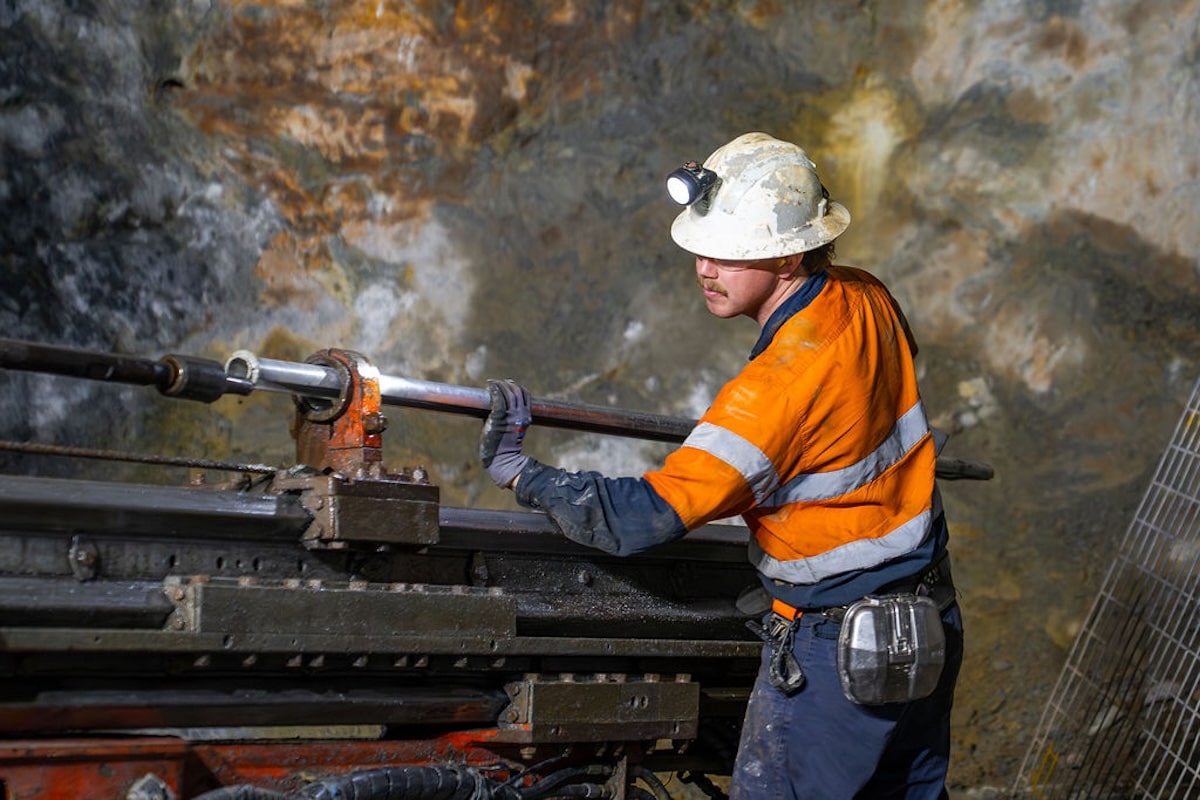
Surface reliability issues in drill rig breakout and rotation systems are being traced less to inadequate material hardness and more to surface engineering and load-path design, according to MASPRO’s field work on high-load components. MASPRO’s engineering team reports premature failures on rigs operating under continuous, shift-by-shift high torque and axial loads, where surface treatments and contact geometries, rather than bulk wear, govern life. For maintenance and design engineers, the findings point to closer scrutiny of surface finish, residual stress and lubrication regimes before simply specifying harder alloys.
The UK’s 100 leading construction firms are showing incremental strengthening despite geopolitical instability and sustained inflation in materials and labour costs. Larger contractors are absorbing price pressures through scale and stronger balance sheets, while smaller subcontractors and specialist suppliers further down the supply chain are struggling to remain viable. The widening resilience gap raises execution risk on major infrastructure and building projects, with potential for subcontractor failures, programme delays and tighter prequalification and payment practices.
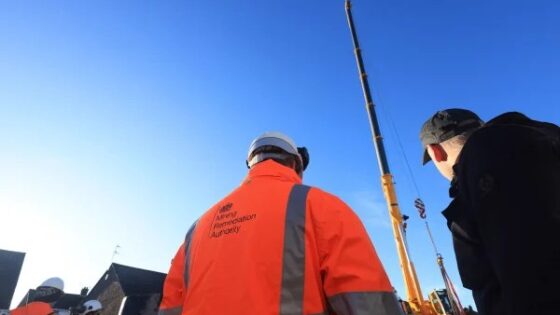
Homes on Benbuck View and Dunmoss View in Coalsnaughton, Clackmannanshire are to be demolished after Mining Remediation Authority investigations confirmed historic underground workings had caused active mine subsidence beneath the two streets. The decision follows visible ground movement reported on 18 May and subsequent detailed geotechnical assessments that ruled out practical stabilisation options for the affected plots. Engineers will now need to manage demolition, backfilling and long-term ground monitoring, with implications for foundations and service corridors on adjacent properties built over former coal measures.
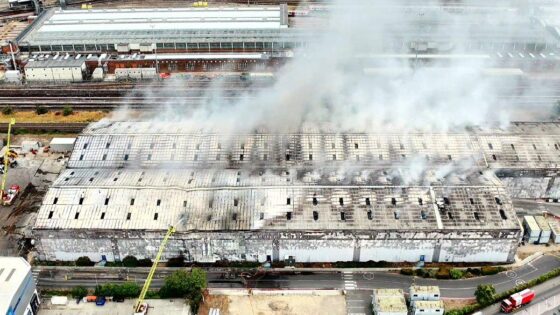
A major fire at LondonEnergy’s Wembley Waste Transfer Station on Hannah Close, Neasden, has required 20 fire engines and about 125 firefighters to bring the blaze under control. The incident at the enclosed waste-handling facility raises immediate concerns over structural integrity of steel frames, cladding performance under high thermal loads, and potential damage to concrete slabs from prolonged heating and quenching. Engineers will need rapid assessment of fire spread pathways through waste stockpiles and building services to inform repairs, resilience upgrades and future fire-separation design.
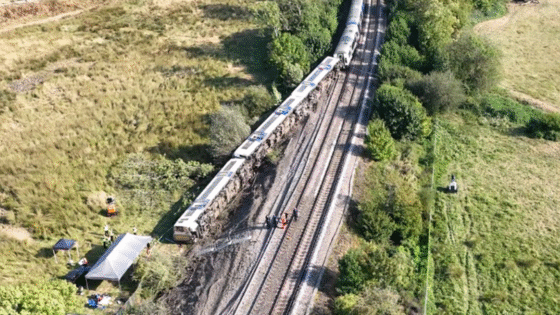
The 14 August Greater Anglia derailment at Wickford, Essex occurred after the train driver reported a visible “kink” in the track, with on-board CCTV simultaneously capturing a clear lateral misalignment of the rail. The incident points to a localised geometry defect developing to the point of visible distortion between scheduled inspections, raising questions over the adequacy of current plain-line monitoring, patrol frequency and response times. For track engineers, the case will focus attention on integrating driver reports and CCTV evidence into real-time condition assessment and intervention protocols.
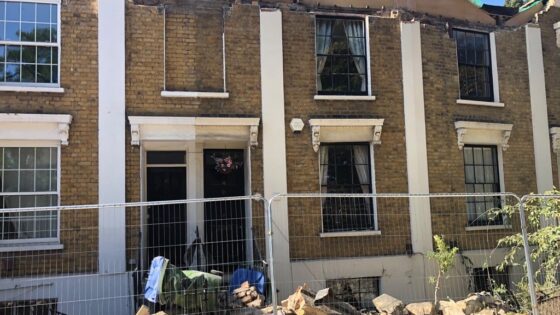
Lovell has paused construction on a nearby housing development in Charlton, south London, after three homes on Woodland Terrace suffered a partial collapse. Lovell took the decision to pause work while it works with the Royal Borough of Greenwich and other relevant parties to understand what happened. The cause of the incident has not been established. Lovell commissioned an independent structural engineer to carry out a visual survey of the properties.
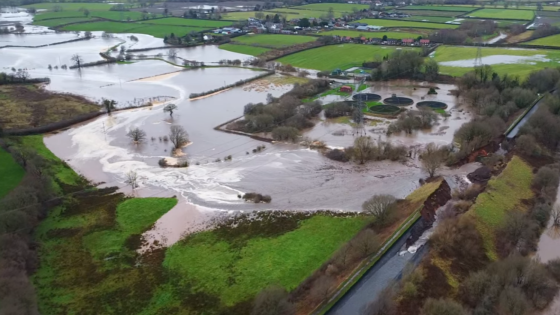
Repair of the Bridgewater Canal breach at Little Bollington has advanced to contractor procurement after completion of survey and design work on the failed embankment. Engineers have now defined the repair scope, likely including reconstruction of the canal lining, reinstatement of the earthworks profile and improved seepage control to prevent repeat overtopping or piping. Contractors will need to manage works adjacent to live water infrastructure and local transport routes, with temporary cofferdams, dewatering and staged reinstatement expected to be key construction risks.
A slope collapse at an open pit gold mine near Policarpa in Colombia’s Nariño department has killed 13 workers and injured seven, after a night-time landslide buried crews who were later recovered by firefighters and residents using excavators. Local authorities have not confirmed whether the operation had mining permits, despite witnesses saying around 50 people, mainly from the Quillacinga Indigenous group and including four victims from one family, regularly worked the site. The incident again exposes geotechnical and safety risks at Colombia’s largely unregulated artisanal and illegal gold mines, which involve an estimated 200,000–400,000 people.
Highland Council will tell members that none of the three remediation options identified in a structural report for Balnaan Bridge can be funded, ruling out works to reopen it to vehicular traffic. The bridge, currently restricted to pedestrians and cyclists, would require substantial strengthening and deck works to restore road loading, but estimated costs exceed available capital budgets. Engineers and transport planners now face longer diversion routes for local traffic and potential reclassification of the structure if no interim load-limited solution is pursued.
Operations at Endeavour Silver’s Terronera silver-gold mine in Jalisco, Mexico remain suspended as an ejido community blockade over road maintenance, medical and communications services, water access and financial support enters a second week. The stoppage hits Terronera less than a year after commercial production began on 1 October 2025, disrupting a Q3 ramp-up at a mine that processed 175,729 tonnes for 582,043 oz silver in Q2 2026 at cash costs of $5.07/oz and had just started commissioning its LNG plant in June. Endeavour is negotiating with ejido leaders, has threatened legal action, and has given no restart timeline.
A preliminary Rail Accident Investigation Branch report into last week’s Lewes train derailment confirms the inquiry is still examining whether high rail temperatures and associated track behaviour contributed to the incident. Investigators are assessing rail stress management, track geometry and maintenance records on the affected section, alongside train speed, wheel–rail interaction and signalling data. For infrastructure engineers, the case will be closely watched for any implications for hot-weather rail stressing regimes, continuous welded rail design margins and inspection protocols during heat events.
B&O Developments and director Sanjay Swaminaryan were fined at City of London Magistrates’ Court after members of the public reported unsafe roof work on a Kings Cross site to the Health and Safety Executive. The prosecution centred on workers operating at height without adequate edge protection or fall-arrest systems, breaching the Work at Height Regulations 2005. The case signals that HSE will act on public reports of poor temporary access, scaffolding and roof-work controls, with direct implications for contractors’ site supervision and CDM compliance.
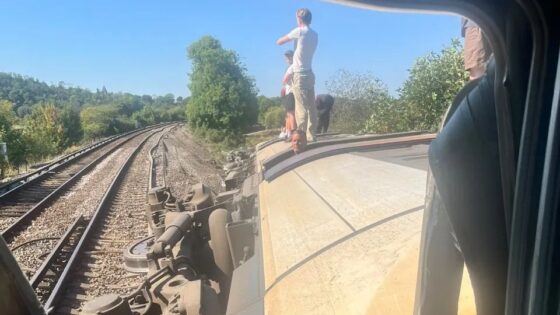
Two derailments at Lewes in Sussex and Wickford in Essex, plus a landslip on another Sussex route and a separate track defect in Surrey, have simultaneously disrupted key commuter and regional rail corridors in south-east England. The incidents point to localised formation instability and asset degradation across multiple routes rather than a single point failure, with engineers now inspecting embankments, ballast condition and rail geometry. Operators face short-term speed restrictions and diversions while permanent repairs and geotechnical assessments are completed.
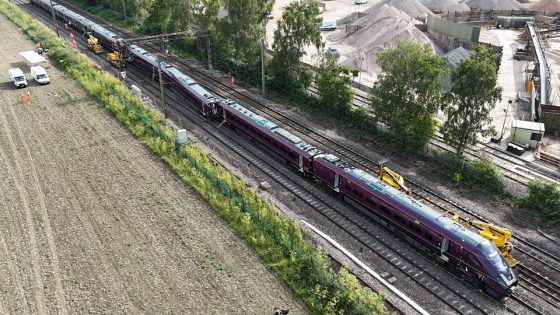
A Greater Anglia passenger train derailed near Wickford, Essex, on 14 August, the second derailment on England’s network in 48 hours after a separate incident at Lewes on 13 August. Both events occurred on conventional mixed-traffic routes, raising immediate questions over track condition, geometry control and inspection regimes on secondary lines. Investigators will focus on rail integrity, ballast condition and recent maintenance records, with potential implications for speed restrictions, tamping and renewal priorities across similar UK routes.
A Southern Rail passenger train derailed near Lewes, East Sussex, at about 15:55 on 13 August, prompting Network Rail to deploy specialist inspection and track engineering teams. Crews are assessing potential damage to rails, sleepers, ballast and signalling assets, and checking for any misalignment or deformation of the formation that could affect line speed and gauge. Findings will determine the extent of re-railing, tamping, ballast renewal or signalling repairs required before services can safely resume.
Fourteen illegal chrome miners were found dead and at least eight injured after a cave-in near an abandoned shaft by the Nkaneng informal settlement, close to Marikana in South Africa’s North West province, with the collapse estimated around 21:00 on Monday. Police have intensified action against illegal chrome operations in the province, seizing 20 trucks and 15 excavators over the past two years and arresting survivors on suspicion of illegal mining. The incident underlines ongoing geotechnical and safety risks where informal miners re-enter abandoned gold, platinum and chrome workings without ground support or regulated access control.
Northumberland contractor Len Smith & Son Building Contractors Limited has been fined £20,000 after a bricklayer fell approximately 2.4 m through a fragile roof onto concrete, sustaining two fractured vertebrae. HSE inspectors found there was no safe system of work, with no edge protection, staging, crawling boards or fall-arrest measures in place for accessing the fragile roof surface. The case signals continued regulatory focus on temporary works design and formal method statements for work on fragile roofing elements.
North Bridge at Junction 6 of the M42, closed to traffic since July, will be demolished after detailed inspections found significant concrete deterioration and embedded steel at risk of further corrosion. National Highways engineers judged that continued degradation of the reinforced concrete elements could not be managed through interim strengthening or load restrictions. The decision signals likely need for a full replacement structure at this key motorway junction, with geotechnical and traffic management planning now critical to minimise disruption during demolition and reconstruction.
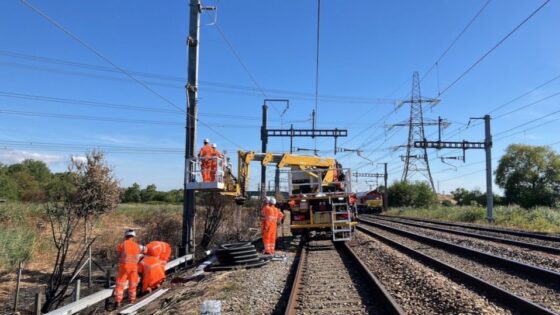
Network Rail has reopened the key Cardiff–Newport main line after an “incredibly harmful” lineside fire on 1 August destroyed signalling and power equipment, with engineers working 24/7 for a week to complete emergency repairs. Teams replaced damaged lineside cabling, location cases and signalling control systems, and installed temporary power supplies to restore safe operations on this high‑traffic South Wales corridor. The incident underlines the vulnerability of densely serviced rail corridors to fire and the need for robust cable routing, fire‑resistant materials and contingency signalling plans.
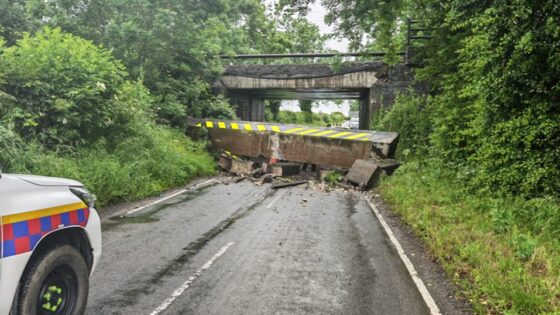
A major bridge strike has forced the closure of Marston Lane near Nuneaton, Warwickshire, beneath a structure carrying the West Coast Main Line, with the road shut to traffic until at least November while permanent repairs are carried out. Network Rail engineers now face prolonged inspection, structural assessment and remedial works on the rail-over-road bridge to confirm residual capacity and restore clearance for highway vehicles. The incident will prompt renewed scrutiny of impact protection, headroom signage and bridge strike mitigation on key mixed-traffic corridors.
Ferrexpo has halted all iron ore mining and pellet production at its Horishni Plavni complex in central Ukraine after Russian attacks on Black Sea shipping, including a drone strike on a third-party vessel carrying 55,000 tonnes of direct-reduction-grade pellets, killed one crew member and forced the ship out of the war-risk zone. The company, formerly the world’s third-largest pellet exporter, produced only 1.56 million tonnes in H1 2026 (down 54% year-on-year) with one of four pellet lines running and now has just enough accessible cash to operate until mid-September without fresh funding. Ferrexpo is seeking at least $100 million in equity while $90.3 million in withheld VAT refunds and bankruptcy proceedings at Ferrexpo Poltava Mining compound liquidity and asset-control risks for European steel supply chains reliant on high-grade pellets.
Suspended development of the Andes Norte section at Codelco’s El Teniente, triggered by new studies of an “emerging seismic phenomenon” at greater depth, may last up to two years and follows a July 2025 rockburst equivalent to magnitude 4.2 that killed six workers in adjacent Andesita and Teniente 7 panels. El Teniente’s output is already about 27% lower year-on-year and Codelco has conceded its 1.7 Mt/y copper target for 2030 is unattainable, tightening a market where CRU reports one LME participant holding 50–79.99% of live copper warrants. Comex September copper hit an intraday record of $6.7045/lb as Chile posted its weakest Q2 copper production in nearly 20 years, with traders diverting metal into the US ahead of possible tariffs.
War-fractured Myanmar has become the world’s largest supplier of heavy rare earths, with Chinese companies running largely unregulated in-situ leaching operations in autonomous border regions such as Kachin and eastern Shan, guarded by ethnic armies including the United Wa State Army. Workers like “Min” are paid about 3,000 yuan (£330) per month for roadbuilding and pit work on steep slopes, amid frequent fatal landslides and exposure to toxic lixiviants that have poisoned rivers and farmland. Ore is trucked into China, mixed with other feedstocks and effectively laundered into global supply chains for EVs, wind turbines and advanced weapons, while revenues fund more than 1,200 armed groups in an already fragmented civil war.
Former Autostrade per l’Italia CEO Giovanni Castellucci has been sentenced to 12 years’ imprisonment, alongside convictions for 31 others, over the 2018 collapse of Genoa’s Morandi Bridge that killed 43 people and injured 13. The ruling centres on failures in managing the ageing cable-stayed structure’s stay-cable and deck corrosion, with prosecutors arguing that critical maintenance and strengthening were delayed despite known deterioration. For designers and asset managers, the case signals heightened personal liability where structural health monitoring, inspection records and intervention decisions do not match documented risk.
National Highways has closed the North Bridge at M42 Junction 6 to all traffic after monitoring showed repeated breaches of its 7.5t weight restriction. The structure, which carries local traffic over one of the West Midlands’ busiest motorway junctions near Birmingham Airport and the NEC, will remain shut while engineers assess potential overstress and fatigue damage. Diversions are expected to load adjacent links and junctions, so asset managers will need to watch for knock-on pavement and structural impacts on alternative routes.
Cameco has temporarily suspended mining at the Cigar Lake uranium mine in northern Saskatchewan after a sulfuric acid plant failure forced shutdown of Orano’s McClean Lake mill, which normally processes the ore. The McClean Lake facility, 70 km northeast of Cigar Lake and one of the world’s largest uranium plants with 24 million lb/year concentrate capacity, is expected to restart in about two weeks, with Orano seeking interim acid supply. Cameco, which has produced 174.5 million lb of yellowcake from Cigar Lake since 2014, says its 2026 output guidance remains unchanged unless delays extend.
A sinkhole roughly 8–10 m wide and several metres deep has opened on the AJ Burkitt Reserve sporting oval in Heidelberg, directly adjacent to the North East Link tunnel alignment in Melbourne’s northeast. Victorian Infrastructure Delivery Authority has confirmed the “surface hole” is in the vicinity of active tunnelling operations, leading to a work pause while engineers and emergency crews carry out geotechnical investigations and monitoring. No injuries or structural damage have been reported, but the area remains fully cordoned off pending cause determination and stability assessment.
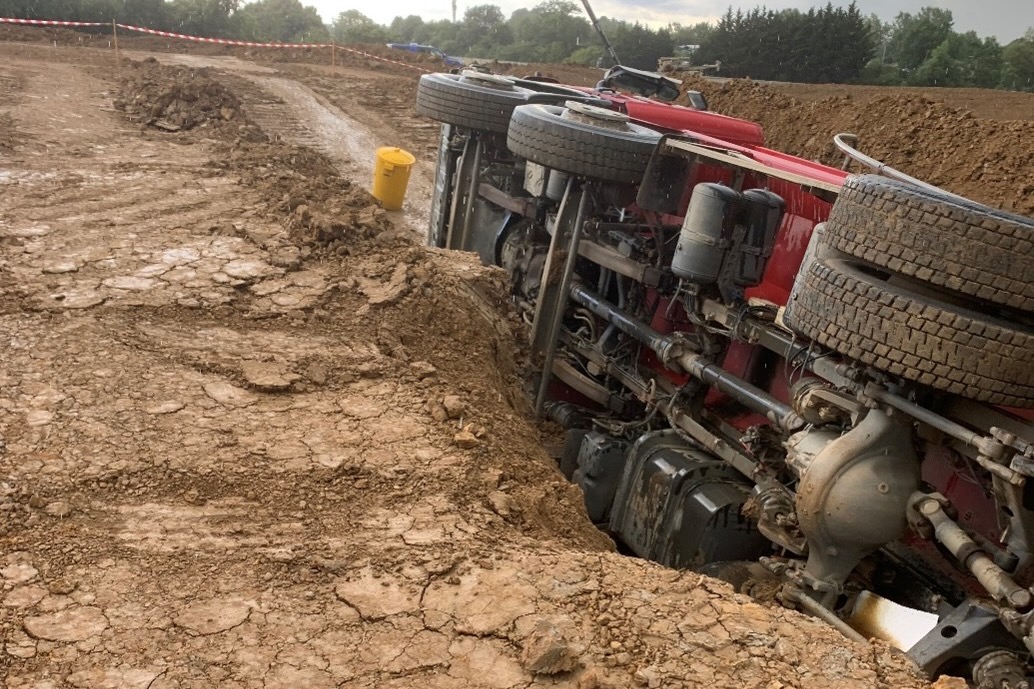
HS2 joint venture SCS, formed by Skanska Construction UK, Costain and Strabag, has been fined £400,000 after a tipper truck drove off the edge of an excavation ramp at the Copthall North site, injuring its driver. The incident involved a fully loaded tipper leaving the unprotected ramp edge during bulk earthworks, pointing to deficiencies in temporary works design and haul road edge protection. Contractors on major infrastructure schemes will likely face closer scrutiny of excavation ramp geometry, barrier systems and traffic management for heavy earthmoving plant.
A joint venture contractor on HS2 has been fined £400,000 after a 20 t tipper truck left the edge of an excavation ramp, leaving the driver with multiple serious injuries. The incident involved a temporary earthworks access ramp where the truck overran the unprotected edge and rolled into the excavation. The case signals renewed scrutiny of haul road and ramp design, edge protection, and traffic management on major UK infrastructure sites, particularly for heavy earthmoving plant.
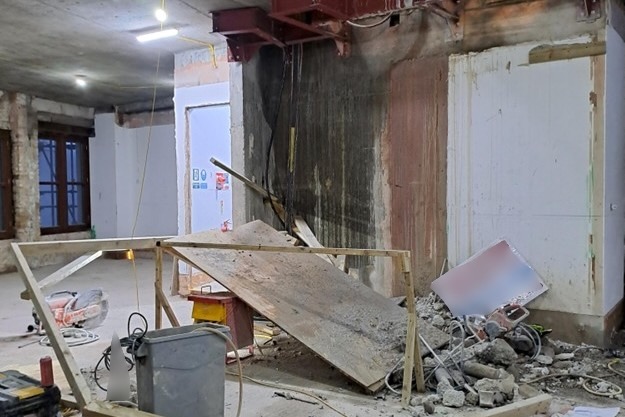
Lima Construction Limited has been fined £50,000, plus £11,347 costs, after worker Antonio Rodrigues fell three metres through an unglazed, unprotected Juliet-door window void onto an internal concrete floor during a former department store redevelopment in New Malden. The HSE found the principal contractor failed to install temporary boarding or internal scaffold guard rails over the newly formed openings and stopped carrying out the legally required weekly scaffold inspections after 5 July 2022. Inspectors stressed that straightforward edge protection at the time the voids were created would likely have prevented the fatal fall.
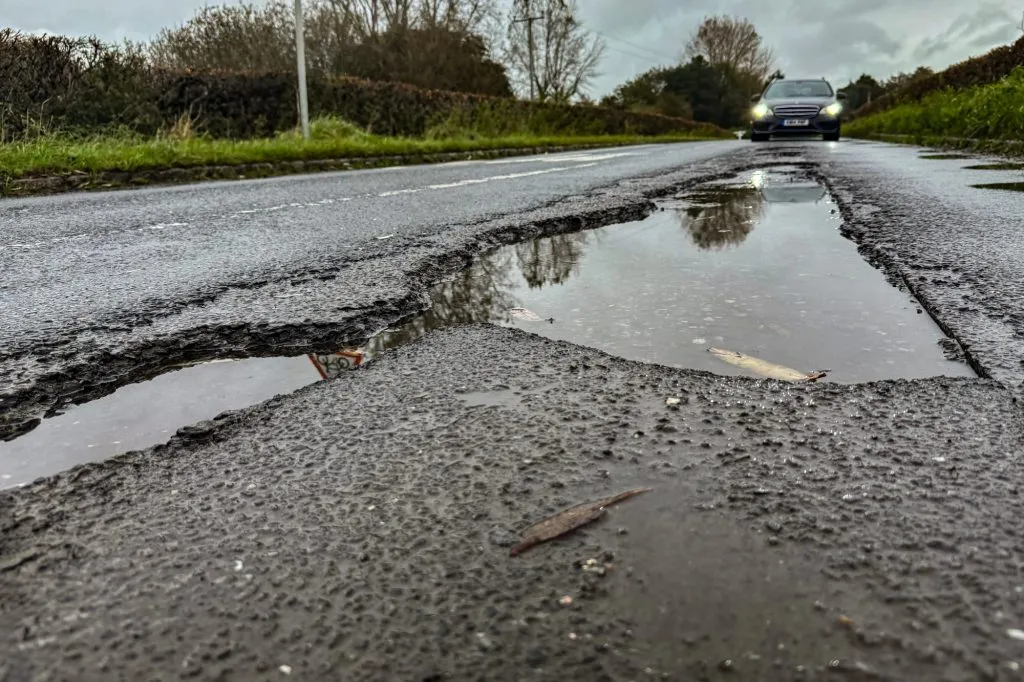
Pothole-related breakdowns reported to the RAC in February averaged 225 per day, more than five times the 2025 daily average of 43, signalling rapid deterioration of UK carriageway surfaces. The spike points to accelerated fatigue and ravelling in asphalt layers under repeated freeze–thaw and heavy axle loads, with defects progressing from fretting to full-depth potholes before scheduled maintenance cycles. For highway engineers, the figures reinforce the need to reassess intervention thresholds, drainage performance and resurfacing frequencies within constrained local authority budgets.
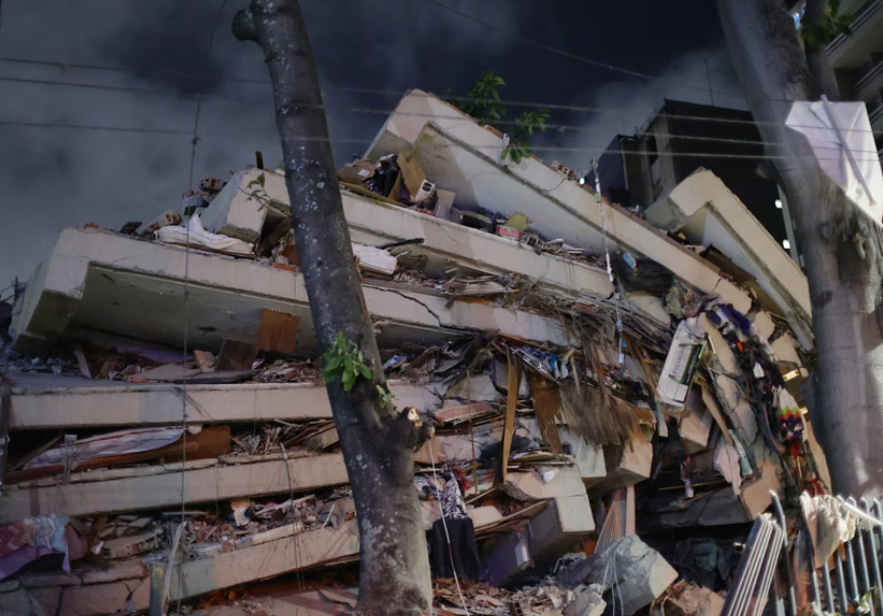
Two shallow earthquakes of magnitude 7.1 and 6.8 struck near Caracas and La Guaira within hours, collapsing mid‑rise reinforced concrete apartment blocks and older unreinforced masonry in hillside barrios, with hundreds confirmed dead and thousands displaced. Liquefaction, lateral spreading and rockfalls have damaged key transport links, including sections of the Caracas–La Guaira motorway and port access roads, complicating access for rescue equipment and temporary shoring. Geotechnical teams are racing to assess slope stability on steep, weathered tropical soils and to prioritise demolition versus retrofit of heavily cracked shear‑wall structures.
A preliminary Rail Accident Investigation Branch report finds East Midlands Railway service 1H46 from Corby to London St Pancras passed a red signal at Bedford and struck stationary service 1B67 from Nottingham at 79km/h. The collision occurred on the Up Slow line north of Bedford station, damaging both Class 360 EMUs and overhead line equipment but causing no fatalities. Investigators are examining signal aspect sequences, driver actions, and the performance of the Train Protection & Warning System and associated braking behaviour.
A fatal train crash near Bedford on 19 June has prompted transport secretary Heidi Alexander to tell the House of Commons that the UK still has one of the safest railway networks globally. She confirmed that the Rail Accident Investigation Branch and Office of Rail and Road are opening formal investigations into the incident, alongside British Transport Police inquiries. Engineers can expect scrutiny of track condition, rolling stock performance and signalling interfaces on the affected section, with any interim safety recommendations likely to be implemented rapidly across comparable assets.
Underground operations at Newmont’s Cadia mine in New South Wales have been halted for the second time in nine weeks after magnitude-3.2 and 3.4 earthquakes struck the site early Friday, with the latter event occurring about 1 km below surface. Cadia, a panel-cave operation producing roughly 385,000 oz of gold and 82,000 tonnes of copper annually and contributing about 11% of Newmont’s net asset value, had only recently undergone a five-week rehabilitation to restore output to 80% capacity after an April magnitude-4.5 tremor. RBC warns that recurring seismicity introduces material safety, production and regulatory uncertainty for the long-life operation, currently approved to 2031.
Alamos Gold expects second-quarter output from its Young-Davidson underground mine in northern Ontario to fall to 130,000–135,000 oz, about 12% below prior guidance, after two seismic events damaged infrastructure and cut access to two higher-grade stopes, compounded by a three-day storm-related power outage. Consolidated 2026 production is now projected below full-year guidance with unit costs rising, with revised figures due in July. Production stability is shifting to the Island Gold District, where underground mining rates are planned to increase from 1,500 to 2,000 t/d and the Magino mill ramp-up targets 10,000 t/d by Q3.
A 2024 passenger train collision in Wales that killed one passenger has been attributed by the Rail Accident Investigation Branch primarily to low wheel–rail adhesion, with additional contributory factors. Investigators point to severely reduced braking performance on contaminated railhead conditions, where the train was unable to stop within the expected braking distance for the approach speed. The findings will likely drive closer scrutiny of railhead treatment regimes, adhesion management strategies and braking assumptions in signalling and approach control design on similar UK routes.
Ardmore Construction Group and related entities, including Ardmore Major Projects, Ardmore Fitout, Ardmore Regeneration, Landmark Facades and Ardmore Hotels & Commercial, have entered administration and ceased trading, with licensed insolvency practitioners from BTG and Panos Eliades Callender & Co. appointed on 11–12 June 2026. Around 275 staff have been made redundant, with the joint administrators coordinating DWP engagement and Redundancy Payments Service claims. BTG Eddisons and specialist quantity surveyors are inspecting live sites to secure assets, assess health and safety conditions and stabilise project interfaces.
Temporary platform collapse on a Roots Contractors Limited site left drilling operative Steve Zschoch with a fractured neck after he was “folded up like a concertina” beneath the failed structure while working for subcontractor Diacutt Limited. Both firms have now been fined for safety failings relating to the design, installation and verification of the temporary working platform, which was being used for drilling operations. The case reinforces the need for formal temporary works design checks, competent supervision and load-path verification for access platforms on small civil and infrastructure projects.
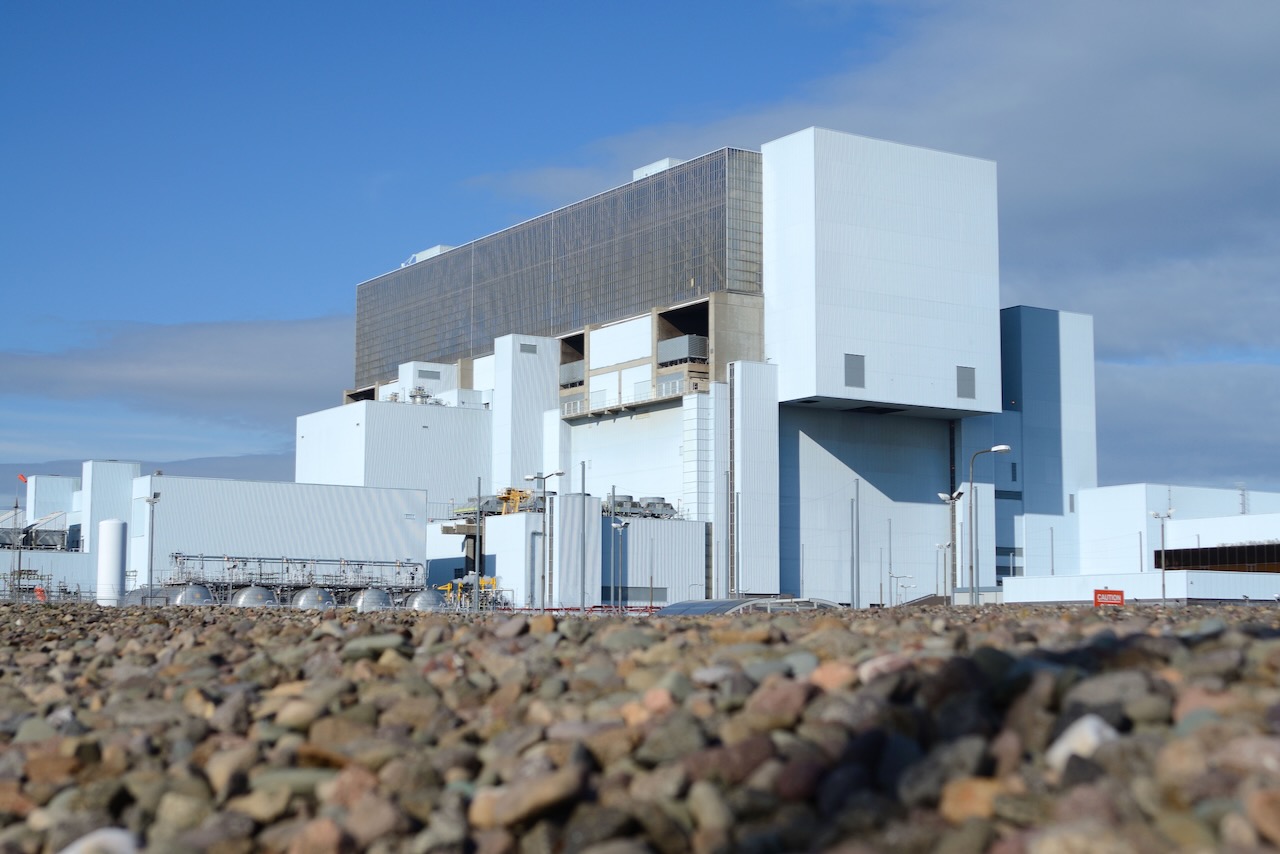
Improvement notices have been served by the Office for Nuclear Regulation to EDF and Trillium Flow Services UK Ltd after potential asbestos exposure during a March 2026 valve overhaul on the steam system at Torness Nuclear Power Station, East Lothian. ONR found asbestos had been identified and removed from a similar valve in 2024 but not entered into the site asbestos register, which is meant to be the central record for location and condition of asbestos and was reportedly not consistently consulted in maintenance planning. EDF has suspended all in-house asbestos removal while it addresses failures under the Health and Safety at Work etc Act 1974 and Control of Asbestos Regulations 2012, with Trillium also cited for inadequate work-log close-out and pre-maintenance asbestos assessment.
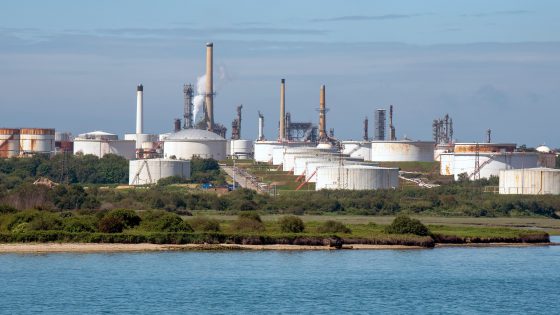
Esso has been fined £1M by the UK Health and Safety Executive after 2.4t of highly flammable liquefied petroleum gas leaked from ageing plant at ExxonMobil’s Fawley Refinery due to failures in managing equipment integrity. The incident, which exposed workers to “life-threatening risks”, stemmed from inadequate inspection and maintenance of pipework and associated fittings in a hazardous area of the site. Process safety engineers and asset managers are likely to face closer scrutiny of inspection regimes, corrosion monitoring, and lifecycle replacement strategies for high-pressure LPG systems.
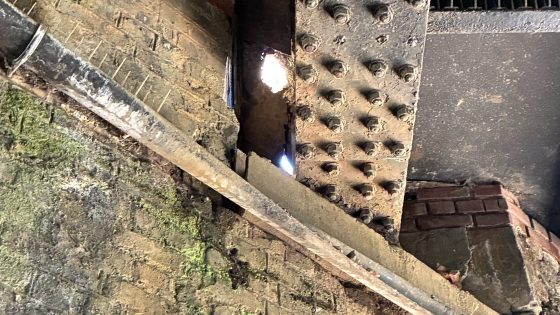
Sinkholes discovered by Network Rail engineers on a rail bridge outside Purley have forced the closure of all lines between Purley and East Croydon, severing direct rail links between central London and Gatwick Airport. The defect was identified during planned engineering works, prompting immediate suspension of services on this key section of the Brighton Main Line. Geotechnical teams now face urgent investigation of foundation conditions and void extent beneath the bridge, with stabilisation and monitoring requirements likely to dictate the duration of disruption.
A magnitude 7.8 earthquake struck offshore Mindanao, Philippines, at a depth of about 32 km, killing at least 19 people and injuring more than 130 across Surigao del Sur, Davao Oriental and neighbouring provinces. Strong shaking triggered widespread liquefaction, lateral spreading and coastal slope failures, damaging bridges, port facilities and low-rise reinforced concrete buildings with soft-storey behaviour. Engineers are prioritising rapid assessment of pile-supported structures on reclaimed land, stability of coastal embankments and the integrity of lifeline corridors linking key mining and agricultural areas.
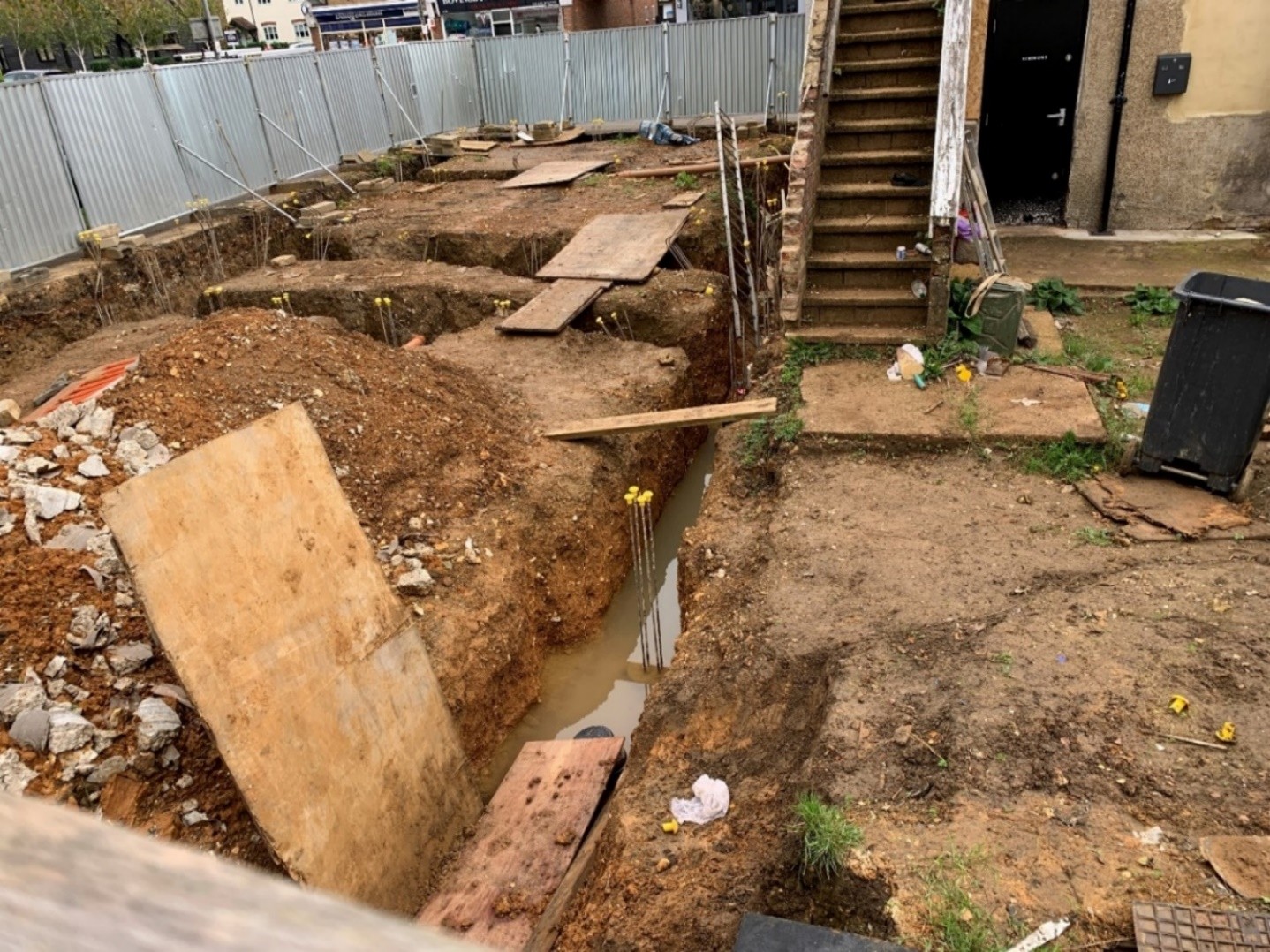
Alchemist DB Limited has been fined £20,000 plus £5,000 costs at Luton Magistrates Court after 35-year-old labourer Mykhalio Hustei died in October 2021, falling into a rainwater-filled foundation trench on a Bovington High Street flat development. An HSE investigation found criss-crossing excavation footings with no designated safe walkways, workers using unsecured, handrail-free boards and planks that bowed and became slippery in wet weather, and no dedicated site lighting. Only after enforcement did the firm install scaffold-framed walkways over exposed excavations, as required under CDM 2015 Regulation 22(2).
South West Water has been fined £1.85M at Exeter Magistrates’ Court after a Cryptosporidium contamination at the Hillhead treatment works left tens of thousands of Devon customers without potable tap water in summer 2026. The DWI prosecution centred on failures in disinfection and monitoring barriers required under the Water Supply (Water Quality) Regulations, including inadequate protozoa control and delayed public notification. Other water companies are now ramping up enforcement and risk reviews of treatment works, with particular focus on UV systems, filtration integrity and contingency planning for microbial outbreaks.