Geomechanics, Streamlined.
© 2026 Geomechanics.io. All rights reserved.
Geoscience Australia has released the Green Iron StoryMap, an interactive tool within the Digital Atlas of Australia that layers iron ore deposits, renewable energy zones, existing rail and port corridors, and water resources to map green iron potential. Users can interrogate spatial data on proximity of high‑grade ore bodies to wind and solar resources, transmission lines and gas pipelines, helping screen locations for hydrogen‑based direct reduction or electrified pelletising. For miners and infrastructure planners, it offers a first‑pass, national‑scale view of where integrated green iron hubs could be technically viable.
The Institution of Civil Engineers has launched a mobile careers app to help civil engineering and infrastructure students plan and track their route to professional qualification. The app provides structured guidance on ICE membership grades, IPD and CPD requirements, and routes to EngTech, IEng and CEng, alongside tools to log experience on site placements and design projects. For employers and mentors, it offers a standardised framework for monitoring graduate development against ICE competence statements.
Proof-of-concept tests have been completed on the UKRI-supported Manufacturer’s Information Hub (MIH), a not-for-profit platform to share structured construction product data across Europe via a standard API. Phase one defined how to connect manufacturer databases, created requirements for a standard data dictionary to validate and present attributes, and set rules to cut complexity and compliance risk around safety and environmental performance. Subject to funding, a small-scale working prototype linking a handful of manufacturers and users is targeted for spring 2027, with full-scale testing through 2027 and initial platform functionality from 2028.
Syntax has launched its Syntax Maintenance Cost Budgeting tool for mining operators, integrating directly with SAP Cloud ERP to give finance and maintenance teams site-, cost-centre- and asset-level visibility of maintenance expenditure. The system replaces spreadsheet-based workflows with automated data consolidation and predictive budgeting, enabling forward-looking control of major cost drivers such as mobile fleets, fixed plant and critical spares. For engineers, this supports more defensible life-of-mine maintenance plans, tighter cost tracking across multiple operations and faster budget revisions when production or asset strategies change.
Workday has been named a leader in the Gartner Magic Quadrant for Cloud HCM Suites for 1000-plus Employee Enterprises for the 11th consecutive year, reinforcing its position in large-scale workforce management. The NASDAQ-listed platform (WDAY) integrates HR, finance and IT functions, using enterprise AI to connect HR data, business processes and analytics in a single cloud environment. For mining operators running multi-site workforces above 1000 staff, this signals continued vendor stability for centralised rostering, skills tracking and compliance management.
Westbourne Civil Engineering has adopted MA EnviroTech’s MukAway platform to manage surplus materials, source fill, book haulage and generate compliance and carbon data across its road, sewer and groundworks schemes in the north of England, including Riverpark Road in Manchester (498 homes), Fox Wood Garden Village in Knowsley (350 homes) and Half Penny Meadows in Clitheroe (426 homes). MukAway now covers more than 1,000 sites and 100 companies in the UK and Ireland, with 1.4m m³ of material listed. The system offers local surplus–demand matching, the UK’s first direct digital haulage link, and ten‑year retention of Duty of Care and Materials Management Plan records, tightening auditability on bulk earthworks movements.
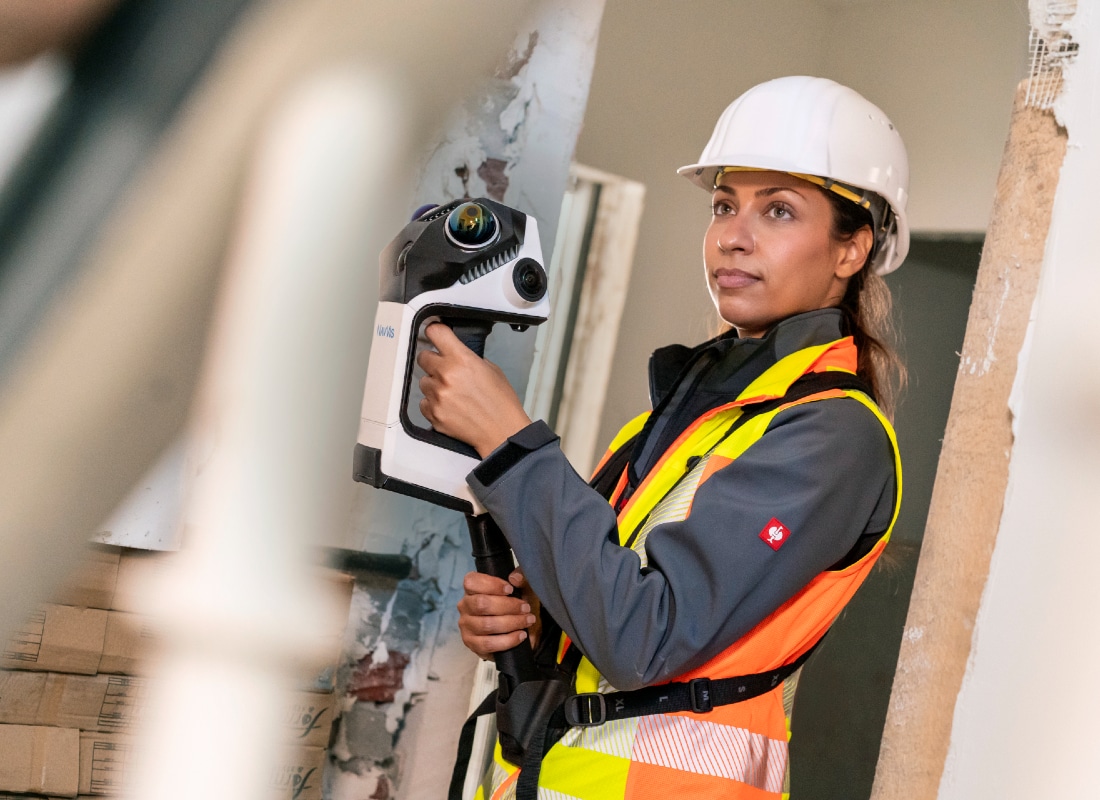
NavVis has launched the NavVis CLX, an agile handheld reality capture device using dual LiDAR architecture to generate clean, low-noise point clouds for high-volume, day-to-day mine and plant documentation. Positioned to complement the backpack-style NavVis VLX and trolley-based NavVis MLX, the CLX is intended for frequent use by non-specialist staff, putting “professional reality capture in every hand”. For mining engineers and survey teams, this points to wider, lower-cost 3D documentation of underground drives, process plants and brownfield modifications without full survey campaigns.
Workday has launched Workday AI Research, a dedicated technical team to develop reliable, auditable AI models for enterprise HR, finance, and IT workflows used by mining and resources companies. The group will publish methods and evaluation frameworks for areas such as bias detection in workforce analytics, explainable decision support for rostering and payroll, and efficiency gains in large-scale ERP data processing. For mine operators, this signals more rigorous, research-backed AI tools embedded in core systems that govern labour planning, contractor management, and compliance reporting.
Datamine has appointed former KPMG and EY consultant Phil Ciezak as chief operating officer and long‑time mining software leader Anthony Cook as chief product officer to drive its integrated geology, planning and fleet management platforms. The move targets tighter linkage between Datamine’s mine planning, scheduling and ore control tools and its real‑time operational systems for drill‑and‑blast, haulage and processing. For engineers, this signals more emphasis on end‑to‑end data workflows, decision support and interoperability across existing Datamine deployments.
Deswik, part of Sandvik Mining, has launched Deswik NOVA, an integrated surface mine planning platform that combines mining, blending and haulage in a single environment. The tool is aimed at data-intensive open pits where planners must rapidly test multiple scenarios, linking block models, stockpile balances and truck haulage routes without exporting between separate packages. For geotechnical and mining engineers, this promises tighter coupling between pit designs, material movement schedules and plant feed quality control, with fewer manual hand-offs and version risks.
Prolec’s SiteGuard Pro virtual barrier system is now integrated into Trimble Earthworks, combining a height and slew limiter with automatic motion‑inhibit to stop excavators when 3D site‑referenced ceilings, walls, floors or surfaces are at risk of being breached. Avoidance zones can be defined in Trimble Business Center and enforced directly from the Earthworks cab display, preventing boom, stick, bucket and counterweight from entering restricted envelopes during normal excavation workflows. The system targets high‑risk environments such as nuclear sites, work near overhead cables and high‑value infrastructure, enabling contractors to meet motion‑inhibit tender requirements in the UK.
Australia’s transport infrastructure sector is being pushed to deliver more road and rail projects, faster, despite chronic shortages of experienced designers, modellers and project managers. Autodesk argues the practical AI opportunity is using tools such as automated clash detection, generative alignment options and machine‑assisted quantity take‑offs to extend the capacity of scarce senior engineers rather than replace them. For geotechnical and civil teams, this points to AI handling repetitive corridor design, drainage iteration and documentation, freeing specialists to focus on constructability, risk and stakeholder constraints.
Rising concern among construction professionals over data privacy and cyber security is slowing adoption of artificial intelligence tools, according to a new Royal Institution of Chartered Surveyors (Rics) report. Respondents cited risks around sharing commercially sensitive project data from BIM models and cost plans with cloud-based AI platforms, and uncertainty over where training data is stored and processed. The findings signal that AI deployment on live projects, including for quantity take-off automation and programme optimisation, may stall without clearer contractual, regulatory and data-governance frameworks.
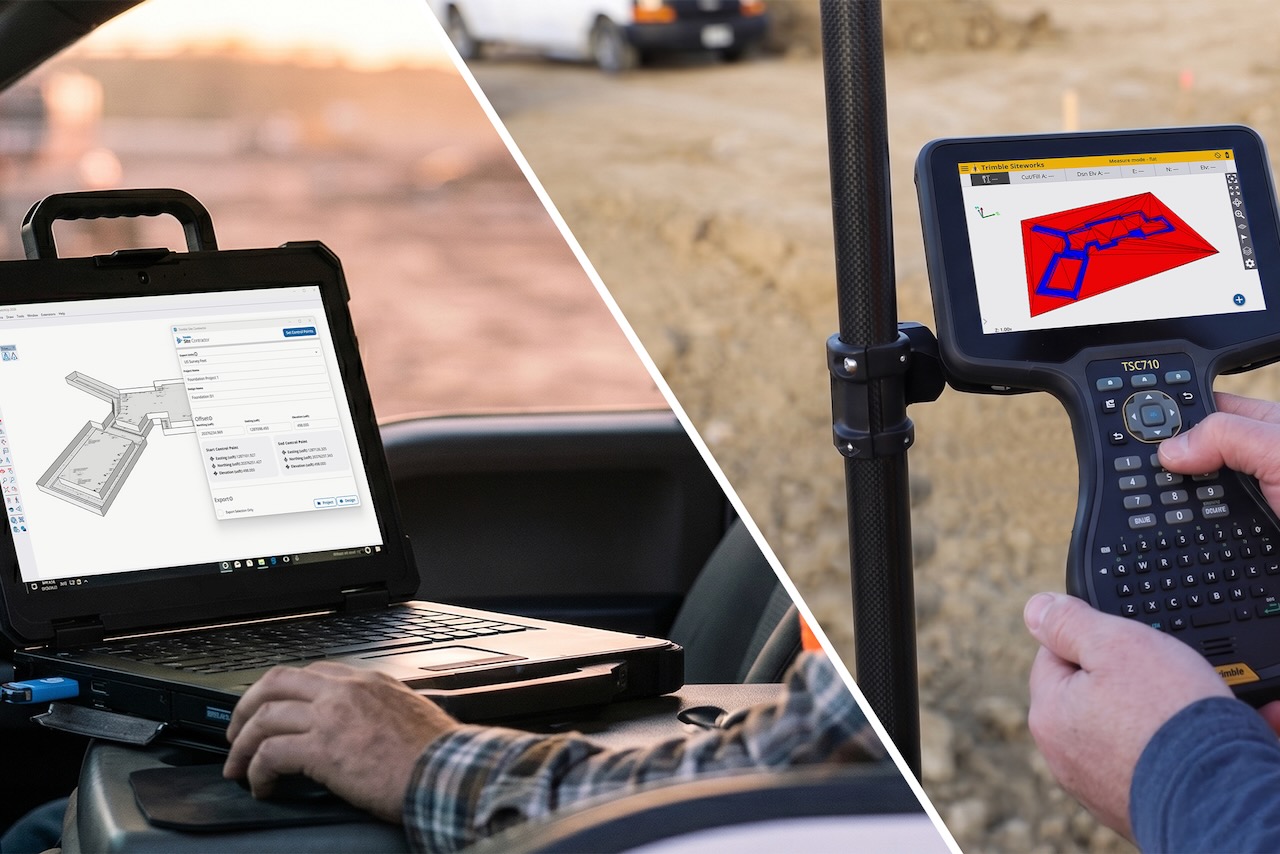
Trimble has released SketchUp Pro Civil Contractor, linking Trimble SketchUp directly with Trimble Siteworks and the Trimble Earthworks grade control platform to create a single 3D earthworks model from design through layout, machine guidance and verification. The tool targets contractors handling grading, excavation and utilities who lack traditional 3D CAD skills, offering a faster way to generate field-ready models for dozers, excavators and survey kits. Streamlined data exchange between design, surveying and earthmoving is intended to cut rework, reduce downtime and improve positional accuracy on site.
Deswik has opened a new office in Almaty, Kazakhstan, expanding its in‑country team to support mine planning and scheduling customers across Central Asia. The enlarged local staff, led by Territory Manager Zhanash Sultanova and experienced mining specialists, will deliver on-site implementation, training and troubleshooting for Deswik’s software suite. For regional operators, this should reduce reliance on remote support and shorten turnaround times for complex tasks such as multi-pit scheduling, haulage simulation and detailed drill‑and‑blast design.
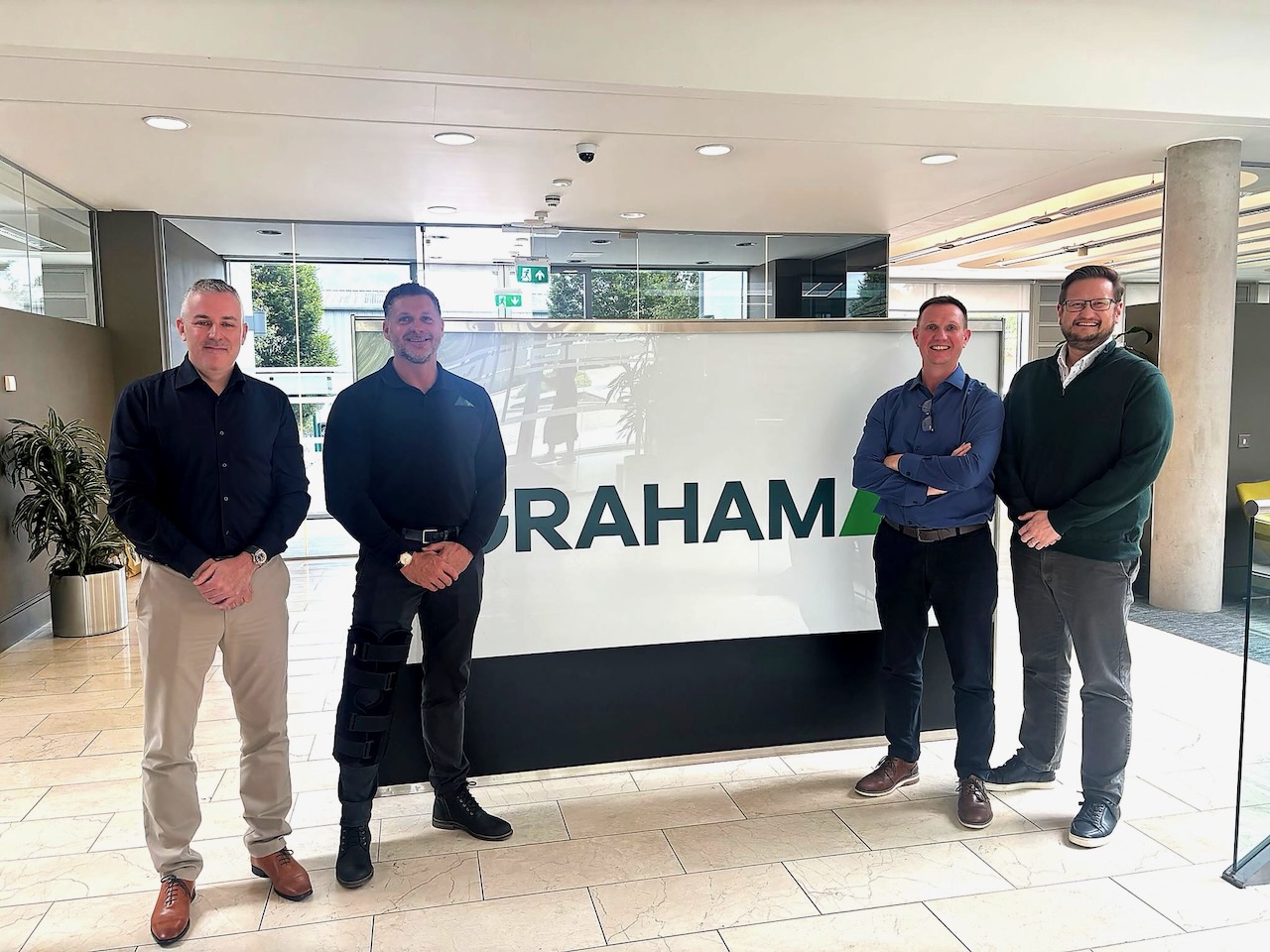
Graham has signed a three‑year deal making MukAway its primary materials management platform across UK and Ireland infrastructure sites, in one of MukAway’s largest contracts to date. The decision centres on handling very high volumes of earthworks on nationally significant infrastructure projects with full digital visibility of material movements and logistics. Graham’s team cites MukAway’s ESG dashboard as a key feature, giving project managers usable, site-level sustainability data in real time to inform haulage choices, disposal routes and reuse strategies.
Emesent is opening its Brisbane headquarters on 20 August for a free National Science Week evening (5:30–9:00pm), offering students, industry and the public hands-on access to its autonomous mapping technology for “the world’s most inaccessible places”. In partnership with Surveyors Australia, the event will showcase Emesent’s drone-based LiDAR and autonomy stack used for GPS-denied underground mines and other confined environments. For mining engineers and surveyors, it is a rare chance to interrogate hardware–software workflows, data outputs and practical deployment constraints directly with the development team.
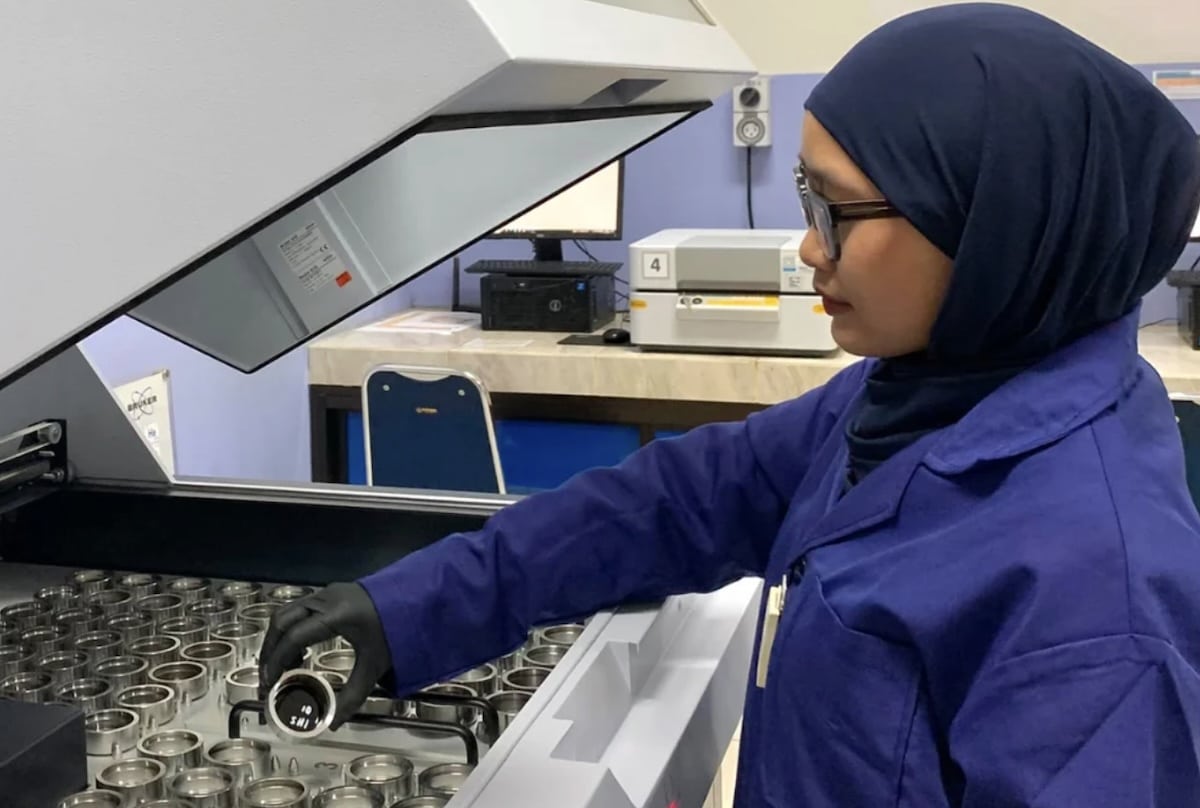
PT Hengjaya Mineralindo has deployed Datamine’s CCLAS laboratory information management system at its Hengjaya open-pit laterite nickel mine in Morowali, Central Sulawesi, to tighten control of saprolite and limonite assay data. The system centralises sample tracking, results validation and reporting across the nickel laboratory workflow, reducing manual data entry and the risk of transcription errors. More reliable, time-stamped laboratory data supports tighter grade control, reconciliation and ore blending decisions for the Nickel Industries Limited subsidiary.
Future Homes Hub has released version 3 of its Whole Life Carbon Assessment tool for new homes, aligned with the RICS Whole Life Carbon Assessment Professional Standard (2nd edition) and incorporating sector-specific defaults, assumptions and methodologies. The 2026 update extends the Conventions to cover site infrastructure, adding standard scopes for site preparation, estate roads, utilities and off-plot works that were previously a “data black hole”. For developers and civil engineers, this enables more comprehensive, comparable embodied carbon reporting across multi-site housing schemes and clearer allocation of infrastructure emissions.
John Deere Electronics is releasing its field-tested Vision Processing Unit (VPU) to European OEMs and machine builders, enabling integration of ruggedised, vision-based autonomy hardware into next-generation mobile machinery. The VPU is designed to run high-compute computer vision and machine learning workloads for real-time perception and decision-making, such as object detection, obstacle avoidance and path planning around mining and construction equipment. For engineers, this offers an off‑the‑shelf, validated compute platform for autonomous or operator-assist systems without developing bespoke edge hardware.
NOCN Group is launching a digital competence platform linked to its NOCN Skills Passport, giving employers a single desktop and mobile-accessible system to track workforce capability across regulated construction and infrastructure roles. The platform goes beyond conventional CSCS-style cards and qualification databases by evidencing Skills, Knowledge, Experience and Behaviours (SKEBs) for each individual, creating a secure, evolving digital professional identity. NOCN positions this as a practical tool for demonstrating competence under the Building Safety Act by consolidating currently fragmented training, certification and compliance records.
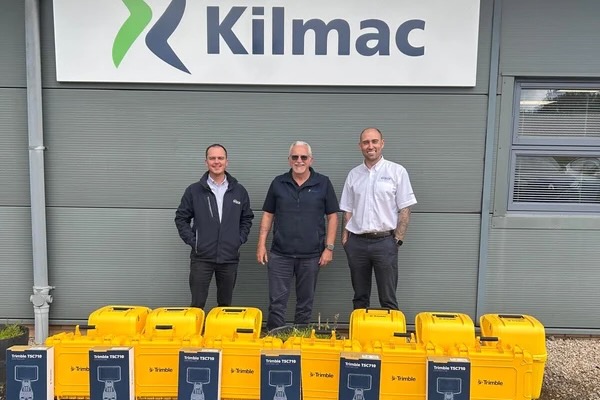
Kilmac has standardised its survey operations on Trimble, buying six SPS720 total stations, six R780 GNSS rovers and six TSC710 data collectors with Siteworks from Sitech to complement its existing on-machine systems. The fully connected Trimble Civil Construction Technology ecosystem, managed through Trimble Business Centre and Works Manager, links office, field and plant for precision earthmoving and reduced rework on multi-phase civils and groundworks. The setup is already deployed on the £76m Clackmannanshire Wellbeing Hub and Lochies school project in Scotland, due to complete in late 2027.
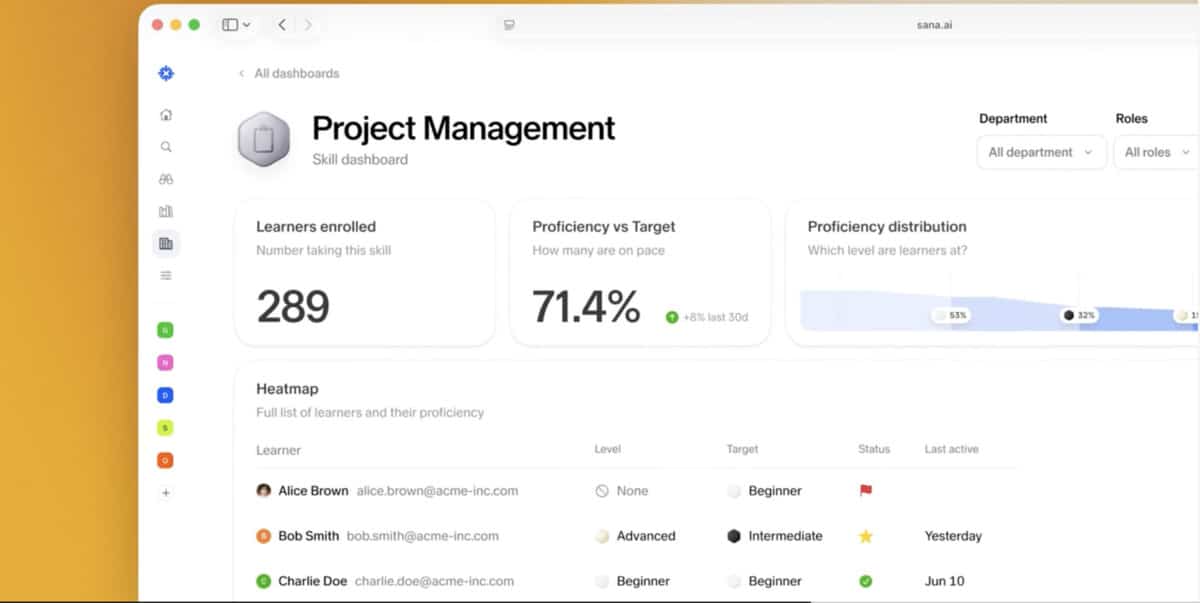
Workday has released Workday Learning, powered by Sana, an AI-native training platform that combines Workday’s existing HR and skills datasets with Sana’s generative tools to personalise learning pathways for mining workforces. The system can auto-generate course content, assessments and microlearning from existing policies, SOPs and technical documents, while tracking role-specific competencies such as equipment operation, safety procedures and regulatory compliance. For mine operators, this offers a way to standardise training across sites, shorten onboarding and keep skills matrices current without manual content development.
Datamine has released 2026 upgrades across its mining software suite, tightening data flow between exploration, geology, mine planning, laboratory information management and production control. Key advances include deeper integration between Studio RM resource modelling, Studio OP/UG mine design, Fusion LIMS and the Minemax scheduler, plus improved interoperability with fleet management and plant control systems via standardised APIs. For engineers, the changes aim to cut manual data handling in block model updates, short-interval control and grade reconciliation, and to support more consistent multi-mine planning workflows.
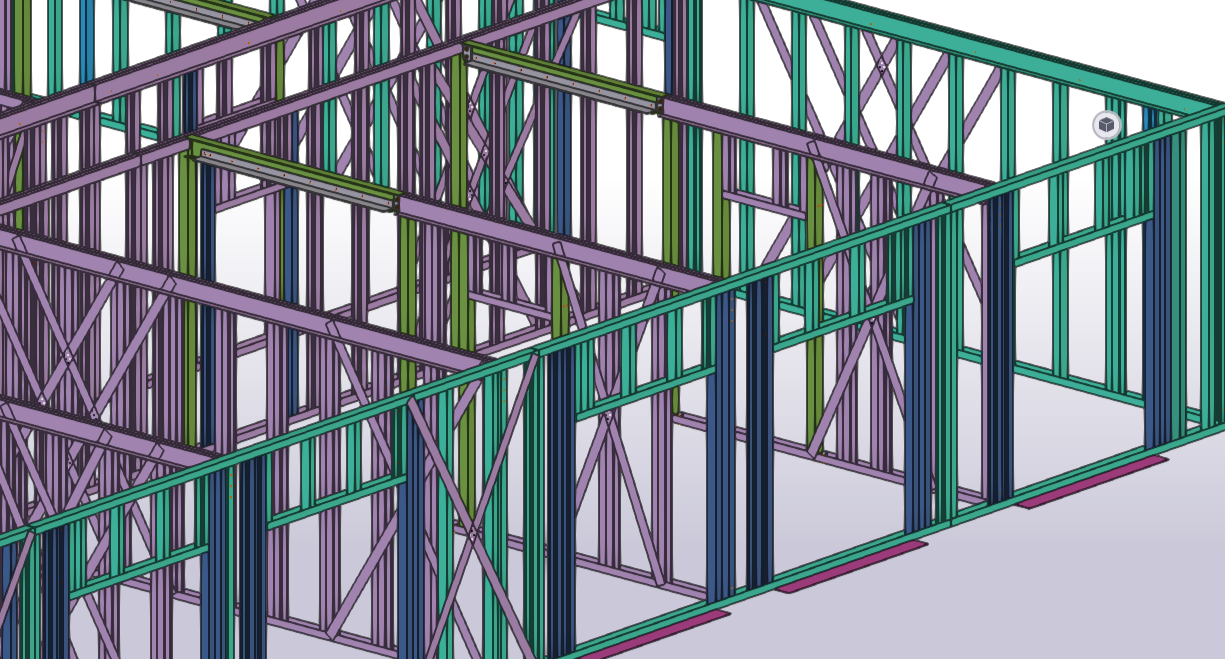
Researchers at Birmingham City University and steel specialist HadleyFRAME have automated structural checks in digital building models, cutting connection-checking time by 96% on projects with more than 18,000 joints. Two custom tools, developed under a West Midlands Advanced Construction Cluster sprint, include a parameter-driven copying utility that trims batch copy time for five connections from 15 to 12 minutes, and a model-wide scanner that flags missing or unexpected steel connections before fabrication. Tested on a five-storey modular residential scheme in Derbyshire, the system targets early detection of connection errors, directly affecting QA workflows for modern methods of construction.
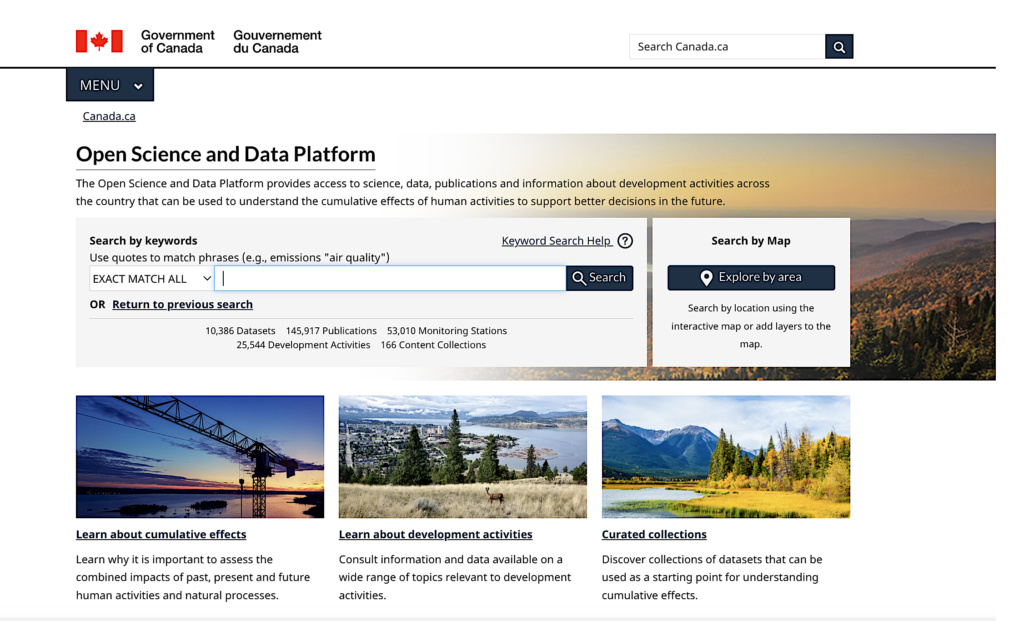
Canada’s Open Science and Data Platform (OSDP), built by Natural Resources Canada to support the federal Major Projects Office, is now central to mine permitting, aggregating geospatial science, environmental monitoring, mapping tools and regulatory records from federal, provincial and territorial sources into a single online portal. Used on Newmont’s Red Chris mine expansion in British Columbia’s Golden Triangle, the OSDP lets users layer Treaty boundaries, species-at-risk data, transmission lines, watersheds and nearby projects, with updates fed automatically via APIs rather than static uploads. NRCan reports about 200,000 unique users, 70% repeat visits, and is adding datasets by roughly 10% annually, with plans for AI-driven search and machine-readable historical assessments.
idoba has released Version 2.0 of idoba.sim, a cloud-based simulation tool for short-term planning in underground hard rock mines that now models development advance and truck load-and-haul in a single run. Planning teams can simultaneously simulate development headings and both development and production haulage, rather than running separate models for each activity stream. The integrated workflow should improve cycle time analysis, fleet utilisation planning and identification of bottlenecks around development-ore interactions.
Deswik is rolling out its NOVA platform to unify open-pit mine scheduling, stockpile blending and haulage into a single planning environment, replacing the traditional mix of disconnected spreadsheets and point tools. By running mining, blending and truck fleet scenarios together, NOVA can expose crusher feed gaps, mill underutilisation and haul road bottlenecks early in the planning cycle rather than after shift start. For engineers, the integrated workflow tightens compliance to long-term plans, improves material movement visibility and reduces manual data hand-offs between geology, planning and operations.
Achilles has launched Achilles Risk Screening, a supplier risk capability aimed at giving mining and resources operators earlier visibility of exposure across multi-tier, global supply chains. The tool aggregates data on geographically dispersed vendors to flag disruption, compliance or ESG-related risks before contract award, enabling more targeted and cheaper mitigation than broad-brush prequalification. For mine owners and EPCM contractors relying on critical spares, explosives, reagents and OEM support, earlier risk signals can directly influence sourcing strategies, inventory buffers and contingency planning.
Caprivi Solutions has released CapEx360® for Mining, a capital governance platform designed to manage multi-site, life-of-mine portfolios from initial business case and AFE approval through to execution and post-investment review. The system provides a single governed environment for tracking project execution, managing rolling forecasts and capturing actuals against budget across multiple assets. For mine owners, the tool targets tighter control of sustaining and growth capital, more consistent stage-gate decisions and improved visibility of capital performance over the full asset lifecycle.
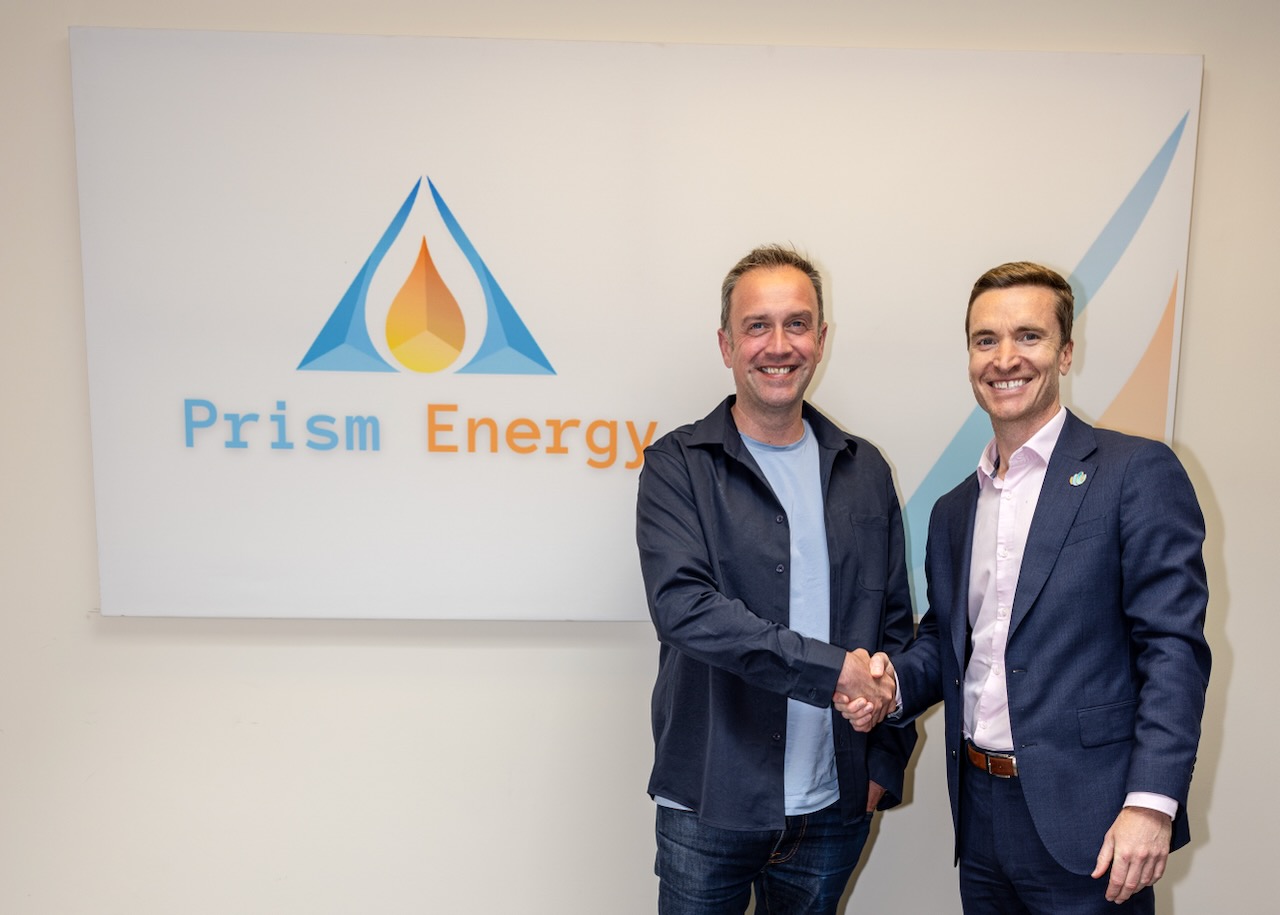
Global has acquired a controlling stake in Aberdeen-based Prism, a 40-strong project management and controls specialist best known for its Prism Apps software used widely across the energy sector. The deal will fund further development of Prism Apps and expansion of consultancy services in planning, estimating and risk management into renewables, infrastructure, data centres, nuclear, utilities and defence. Founder Andy Sutherland and his existing management team will remain in place, signalling continuity for current users and ongoing support for live project controls deployments.
McLaren Construction will deploy FieldAI autonomous quadruped robots on UK sites to run regular 360° scans, generate point clouds and carry out progress verification, model-to-site deviation checks, safety patrols and quality assurance. FieldAI’s “Field Foundation Models” combine data-driven AI, physics-based reasoning and uncertainty quantification, allowing robots to navigate stairs, doors and changing site layouts without prior maps, fixed routes or supporting infrastructure. Automated deviation analysis between scans and design models is expected to tighten tolerance control, catch installation errors earlier and cut rework, while meeting UK regulatory and data security requirements.
Seequent’s OpenGround Civil 3D Extension links live geotechnical data from OpenGround into Autodesk Civil 3D, allowing borehole logs, interpreted strata and lab test results to update directly within corridor, grading and earthworks models. Designers can generate 3D ground models, cross-sections and surfaces that automatically reflect new investigations, rather than relying on static AGS or CSV imports. The workflow reduces manual rework and helps geotechnical and civil teams keep alignments, cut/fill volumes and foundation layouts consistent with the latest ground model.
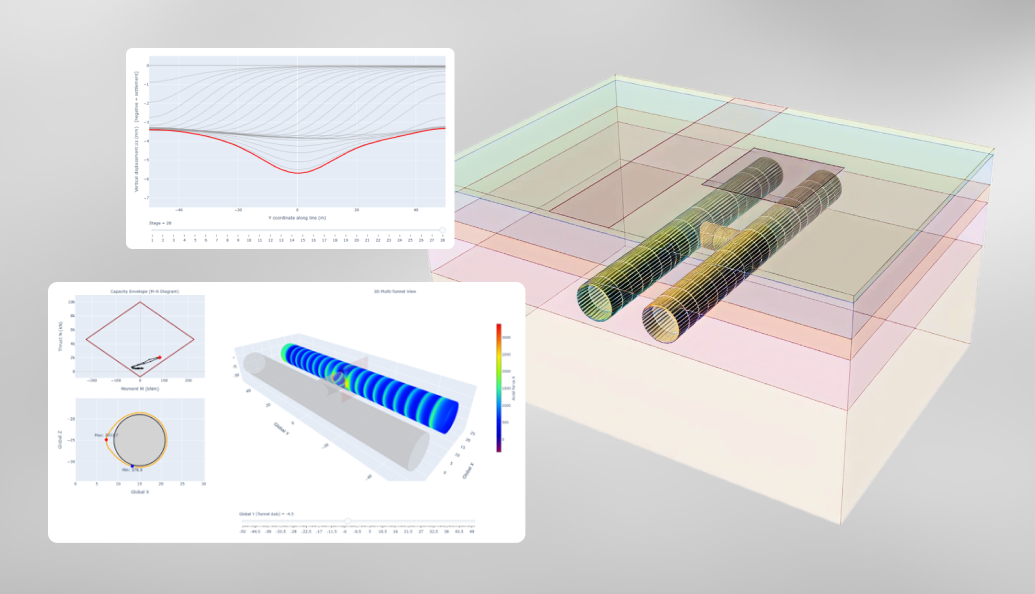
Scripting in RS3 now lets tunnel designers automatically extract lining forces, moments, and displacements at every section along a 3D model, instead of manually interrogating individual cross-sections. Users can generate full lining design envelopes, export results to spreadsheets or custom reports, and rapidly iterate on reinforcement or segment thickness without re-running the finite element analysis. For geotechnical teams, this shifts effort from repetitive post-processing to checking design assumptions, load cases, and ground–structure interaction behaviour across the entire tunnel.
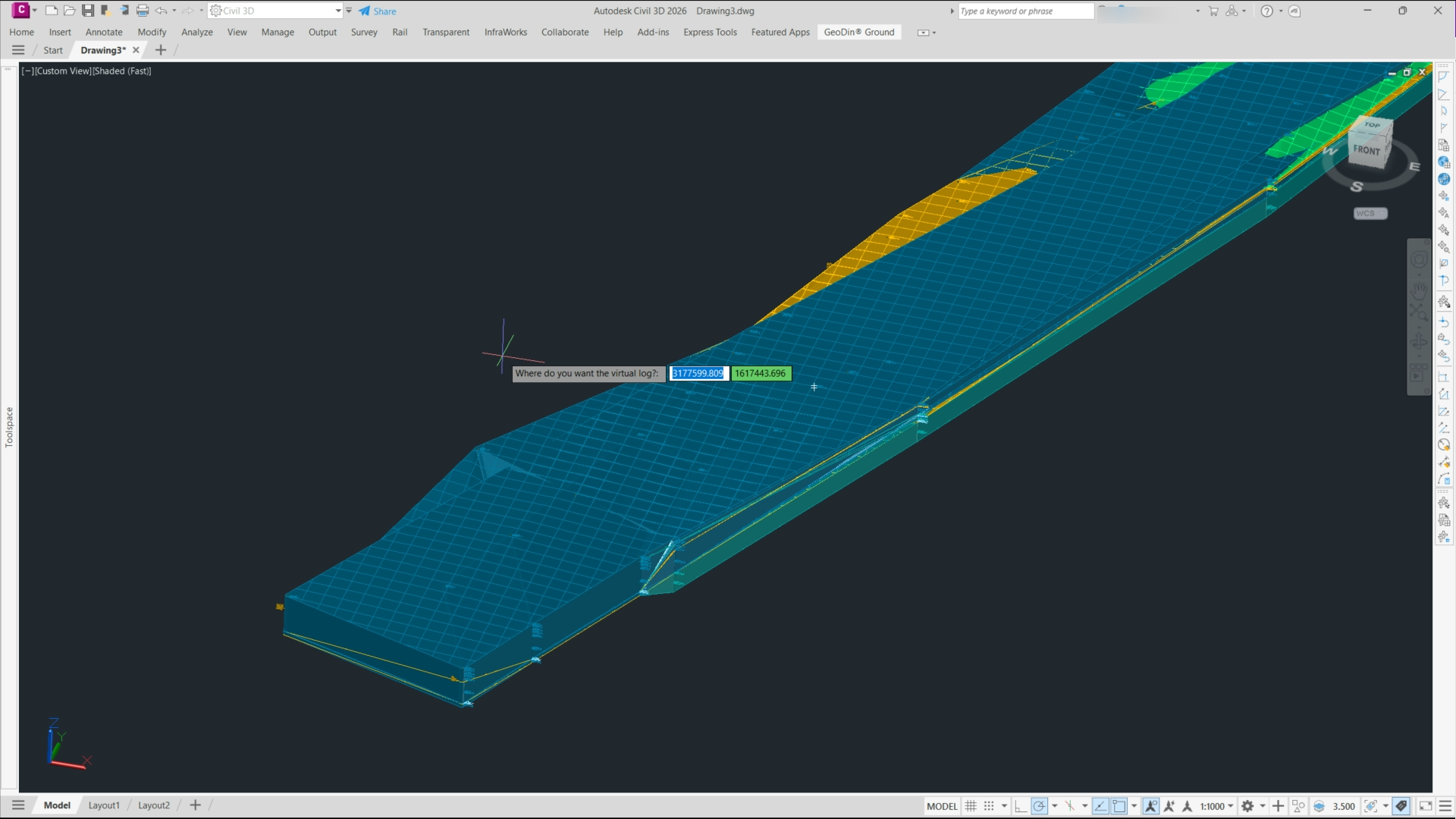
GeoDin Ground, a free Autodesk Civil 3D plug-in, replaces manual borehole imports by directly linking Civil 3D models to GeoDin® geotechnical databases and AGS/Excel borehole logs. The tool generates dynamic 3D subsurface models, including stratigraphy, groundwater levels and geotechnical layers, that update automatically as borehole data change. For designers, this means borehole positions, interpreted soil horizons and material properties are embedded in corridors, alignments and earthworks, reducing data re-entry and improving consistency between geotechnical interpretation and Civil 3D design.
Greenbase’s Envago platform is being deployed to help mining companies comply with Australia’s new mandatory climate reporting regime under AASB S2, which requires disclosure of climate-related risks, Scope 1–3 emissions and governance alongside financial statements. Envago replaces spreadsheet-based workflows by integrating data from site operations, energy meters and procurement systems into a single emissions and ESG reporting environment. For mine operators, this means earlier alignment with AASB S2 assurance expectations and reduced manual reconciliation effort across multiple assets and joint ventures.
Micromine has launched its 2026 Half-Year Release, rolling out upgrades across all eight products in its geology, mine design, scheduling, fleet management and processing software suite as part of a Weir-backed push for a connected mining ecosystem. The release tightens integration between exploration tools such as Micromine Origin and mine planning modules like Micromine Beyond, and links them more directly with operational platforms including Micromine Pitram. For engineers, the move signals more consistent data models and workflows from resource modelling through short-interval control and plant performance monitoring.
Viridien has launched Evergreen Data Solution, an AI‑powered subsurface data platform that automates transformation of large, complex geoscience datasets so asset teams can access and trust results more quickly. Built on Viridien’s existing digital transformation stack, it applies data science workflows to seismic, geological and petrophysical data, targeting shorter interpretation cycle times from exploration through development planning. For mine planners and resource geologists, the tool aims to tighten model update loops, standardise multi‑source inputs and reduce manual data conditioning effort.
Leica has launched a new RTC series of terrestrial 3D laser scanners that combine the speed and on-site registration of the RTC360 with the robustness and higher accuracy of the ScanStation P‑Series, targeting surveying, construction, industrial plants, public safety and infrastructure workflows. Three performance tiers allow users to step up to more demanding scan jobs without replacing their full hardware stack, supporting incremental upgrades across project portfolios. A new Livelink data service, integrated into the Cyclone Field 360 mobile app, streams multi-scanner datasets directly to Hexagon GeoCloud so field, office and cloud models stay synchronised in near real time.
Eclipse Data Innovations has expanded its SourceOne EKPS platform so operations teams at large industrial and mining sites can build custom, AI-powered workflow tools directly from their own time-series and event data using natural language prompts. The upgrade is aimed at tasks such as plant downtime analysis, shift handover reporting and maintenance planning, without needing bespoke coding or separate data-science projects. For engineers, this points to faster deployment of site-specific decision-support apps tightly coupled to existing historians, MES and fleet management systems.
Yorkshire Water has appointed Jacobs to a £32M artificial intelligence services framework to support operation and maintenance of its water and wastewater assets across the region. The multi-year agreement is expected to deploy data-driven tools for network monitoring, leakage detection and predictive maintenance on treatment works and buried infrastructure. For civil and geotechnical practitioners, the framework signals growing demand for asset condition analytics, integration of sensor data with hydraulic models, and AI-assisted planning of renewal and resilience upgrades.
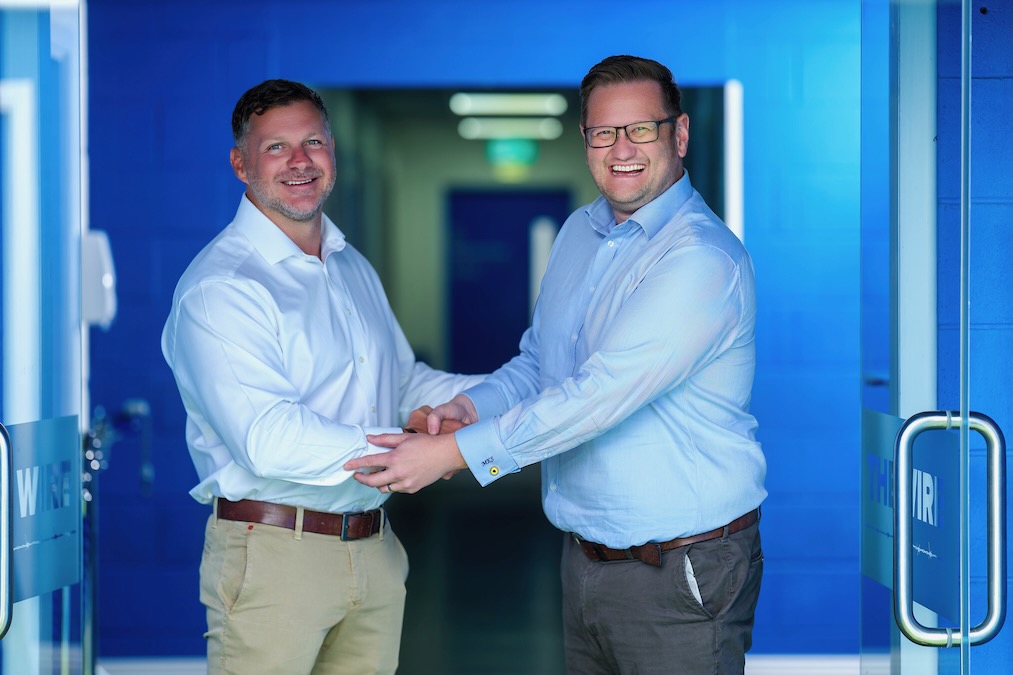
Mark Stuart, joint managing director of Stuart Energy and a specialist in temporary power and equipment hire for construction sites, has joined waste compliance and reuse platform MukAway as a non-executive director. MukAway, which digitises waste movements and reuse documentation for infrastructure and civils projects, is positioning the appointment to support expansion into a wider contractor and plant-hire client base. For geotechnical and civil teams, this signals growing integration between site power logistics, plant fleets and compliant soil and aggregate reuse workflows.
Niftylift has launched MyNifty, a machine-specific online support hub that consolidates manuals, technical documentation, error code lookup, cage overload override reset codes and NiftyPRO video guidance into a single portal. Operators, hire companies and service technicians can access a dedicated page for each model by scanning a QR code on the serial plate or entering the serial number via the Niftylift website, using any mobile device. Most machines in current service already carry QR-coded plates, while older units can be brought into the system through a serial-number QR search tool.
A New Civil Engineer webinar examines how the rapid spread of BIM, CDEs and asset management platforms on major infrastructure schemes is creating a looming “data handover gap” at project close-out. Speakers focus on integrating design, construction and O&M datasets into a single, validated asset information model that meets ISO 19650 requirements rather than leaving owners with fragmented PDFs, native models and sensor feeds. For geotechnical and civil teams, the discussion stresses early definition of data schemas for ground models, as-built records and inspection regimes to avoid costly rework at commissioning.
WSP’s AI specialists describe deploying machine learning tools across UK infrastructure portfolios to cut manual inspection and analysis time for engineers. Applications include automated defect detection on large image datasets from bridge and tunnel surveys, and predictive maintenance models that flag high‑risk assets before failure using historic condition, loading and environmental data. The approach is being embedded into WSP’s digital asset management workflows, raising questions for practitioners about data quality, model validation and how to integrate AI outputs into existing inspection and safety regimes.
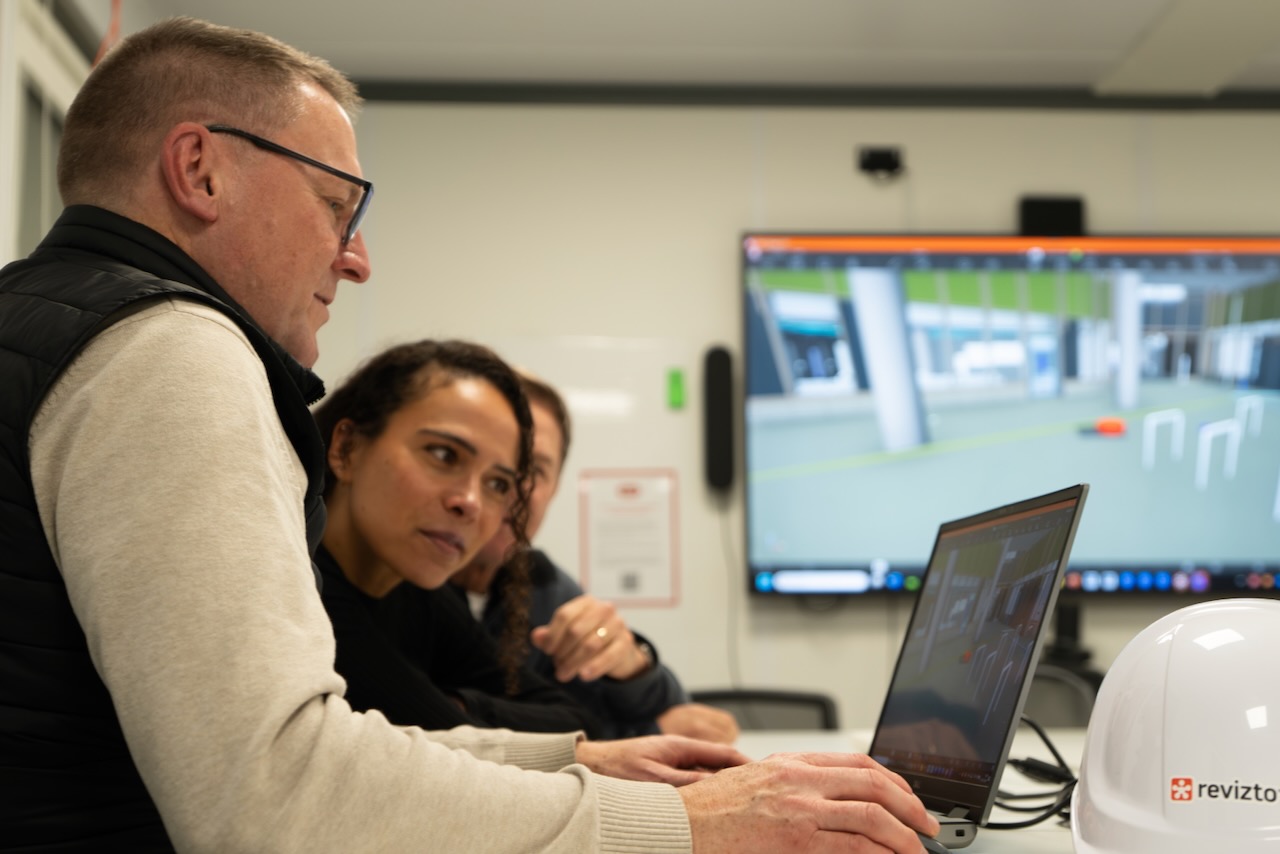
Bouygues UK is using Revizto BIM tools to run live, fully navigable 3D walk-throughs of the 47,000 m² Moorfields and UCL Centre for Eye Health, enabling clinicians to test operating theatre layouts, medical gas outlet positions and patient flows months before work reaches those areas. A single shared model for more than 100 daily onsite users across 20 disciplines has cut clash detection from about a week to 10–15 minutes, with issues logged and resolved in real time. The specialist eye hospital complex is scheduled to open to patients in summer 2027.
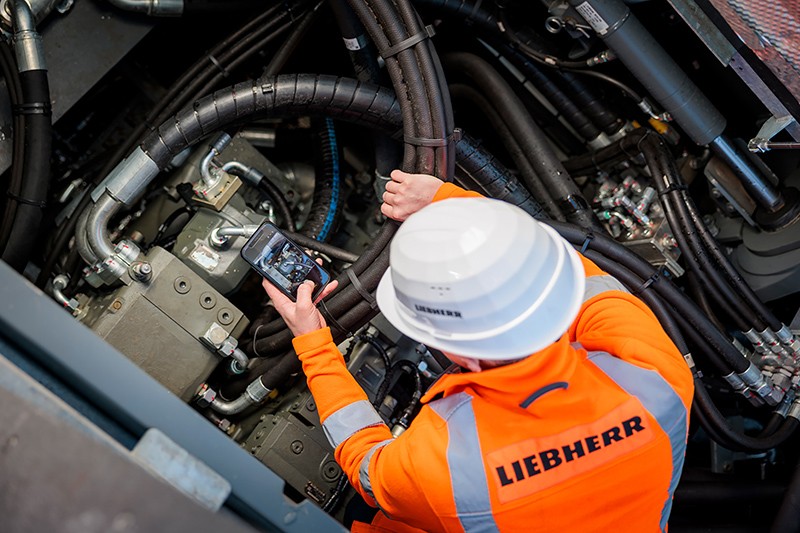
Liebherr Nenzing has launched an AI-based app to identify parts and schedule maintenance for its deep foundation equipment and crawler cranes up to 400 t capacity. Components can be located via photo recognition, QR code scan, multilingual text search in over 100 languages, or item number, with results cross-checked against the official Liebherr parts catalogue to avoid mis-orders when nameplates are damaged. The app also uses machine operating hours to propose upcoming service intervals, listing required parts, consumables and fluids in optimised quantities for each maintenance kit.
WT is expanding its digital project controls to give asset owners near real-time visibility of cost, schedule and risk across multi‑billion‑dollar transport and civil infrastructure programmes, building on its quantity surveying and project advisory work. Integrated dashboards consolidate data from planning, procurement and delivery systems, replacing static monthly reports with live variance tracking and forecast out‑turn costs. For geotechnical and civil teams, this means earlier warning of scope creep, ground risk contingencies and interface clashes, tightening change control on complex major works.
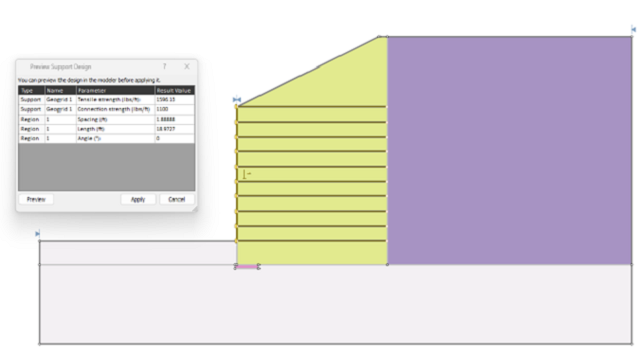
Rocscience has launched Support Designer in Slide2, allowing engineers to specify a target factor of safety for slope or excavation models and automatically compute required support parameters such as bolt length, spacing, and capacity. The tool works with limit equilibrium analyses, adjusting support patterns to meet user-defined FoS rather than relying on manual trial‑and‑error iterations. This shift to target‑driven design could tighten geotechnical optimisation workflows, particularly for complex reinforced slopes, retaining structures, and underground excavations.
RadiXplore is using its Xplor platform to mine decades of underused historical exploration data, aiming to improve discovery rates as new greenfield finds become scarcer and drilling costs rise. Co-founders Russel Menezes and Teryne Young are applying machine learning and pattern-recognition workflows to legacy geochemical assays, drill logs and geophysical surveys to re‑rank targets without commissioning new campaigns. For geologists and explorers, the approach could shift budgets from broad regional drilling to data-driven infill and re-interpretation of existing tenements.