Geomechanics, Streamlined.
© 2026 Geomechanics.io. All rights reserved.
IperionX has validated continuous operation of its GenX hydrogen magnesiothermic reduction (HAMR) titanium furnace at its Virginia R&D facility, achieving a sixfold increase in throughput and a 75% cut in energy intensity versus its previous batch process. The commercial-scale system processed over 500 kg of recycled titanium powder in four continuous runs over 41 hours at roughly 12 kg/h, with all samples meeting oxygen specifications and showing substantially lower magnesium, hydrogen and power consumption at steady state. A second US Army SBIR contract allows project-specific defence orders up to a collective US$99 million, supporting scale-up of domestic titanium powder-to-part capacity in a market that currently has no US titanium sponge production despite aerospace demand above 31,000 t/y.
Breedon has appointed Catherine Gibson as managing director for cement, products and surfacing solutions in Great Britain, adding her to Breedon GB CEO Mike Pearce’s leadership team at a time he describes as “challenging” but with “significant opportunities ahead”. Gibson previously sat on the Travis Perkins group executive committee, overseeing Keyline, its heavyside and civils brand, and other multi-site operations. With more than 25 years’ experience in UK building materials manufacturing and distribution, she is expected to focus on commercial performance and “sustainable growth” across Breedon’s heavy materials portfolio.
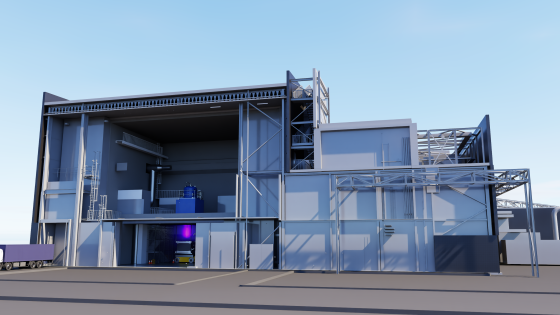
Tokamak Energy has completed a 14‑month test campaign on Demo4, its high‑temperature superconducting (HTS) magnet testbed in Oxford, aimed at validating magnet performance for compact spherical tokamak fusion reactors. The Demo4 system is designed to operate HTS coils at cryogenic temperatures while subjecting them to high magnetic fields and mechanical loads representative of reactor conditions, a critical step for future fusion power plant infrastructure. Results will inform structural design, thermal management and lifecycle performance of full‑scale HTS magnet assemblies for grid‑scale fusion demonstrators.
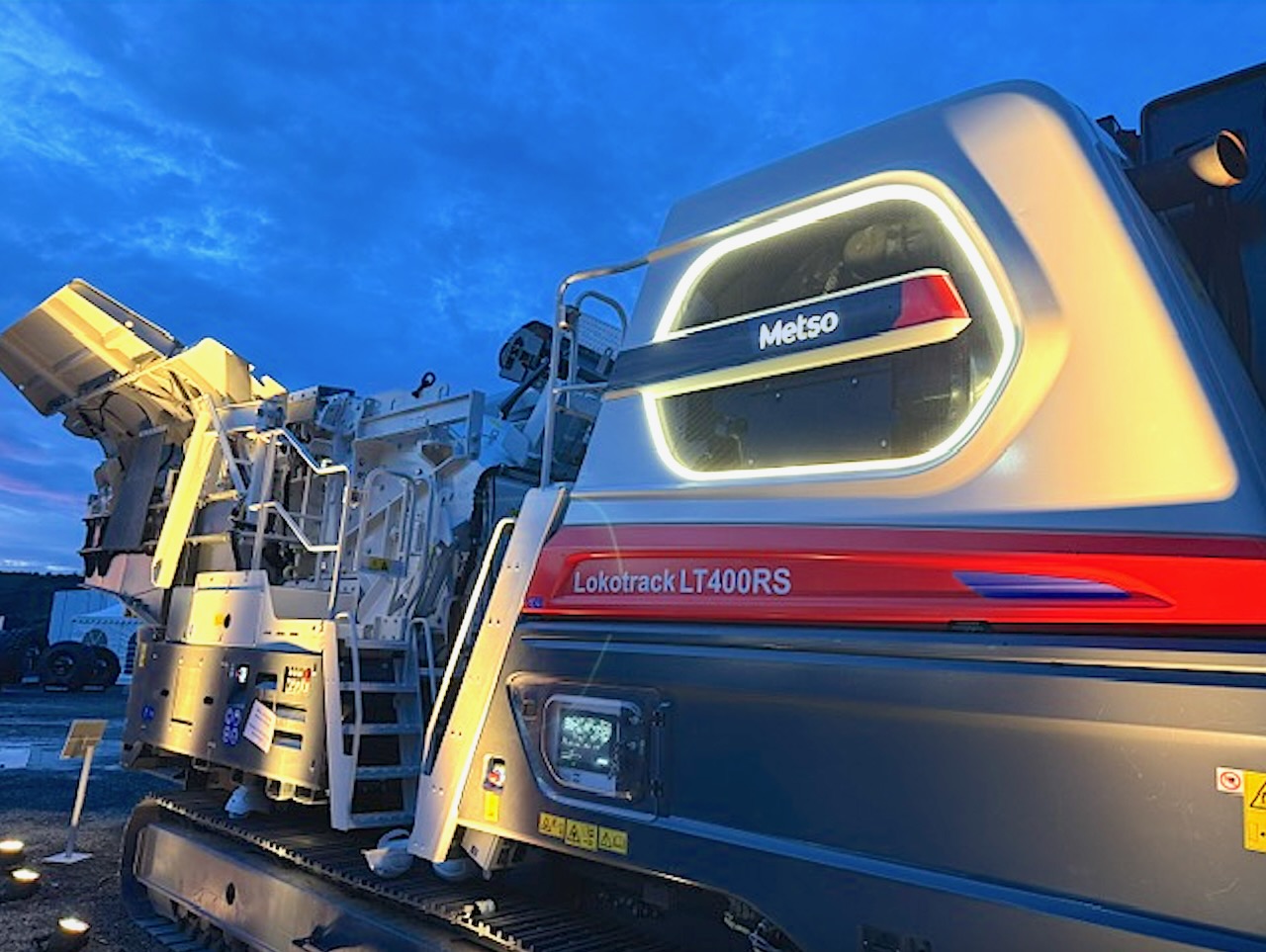
Metso distributor McHale Plant Sales is taking orders in the UK and Ireland for two new Lokotrack units – the 70‑tonne LT400RS diesel‑electric mobile impact crusher and the LT200HPX mobile cone crusher with integrated screening – with deliveries from early 2025. The LT400RS, built around a 250 kW Nordberg NP1213MR impactor and 430 kW genset, targets concrete, asphalt and mixed demolition waste containing rebar and wood, using a 6.4 m² two‑deck screen, wind sifter and electromagnet to improve separation, fuel use and CO₂ output. The LT200HPX packages a Nordberg HP200e cone, two‑deck pre‑screen and 5.6 m² product screen on a single track chassis with wide conveyors and smart folding for high‑capacity, easily transported hard‑rock and aggregate production.
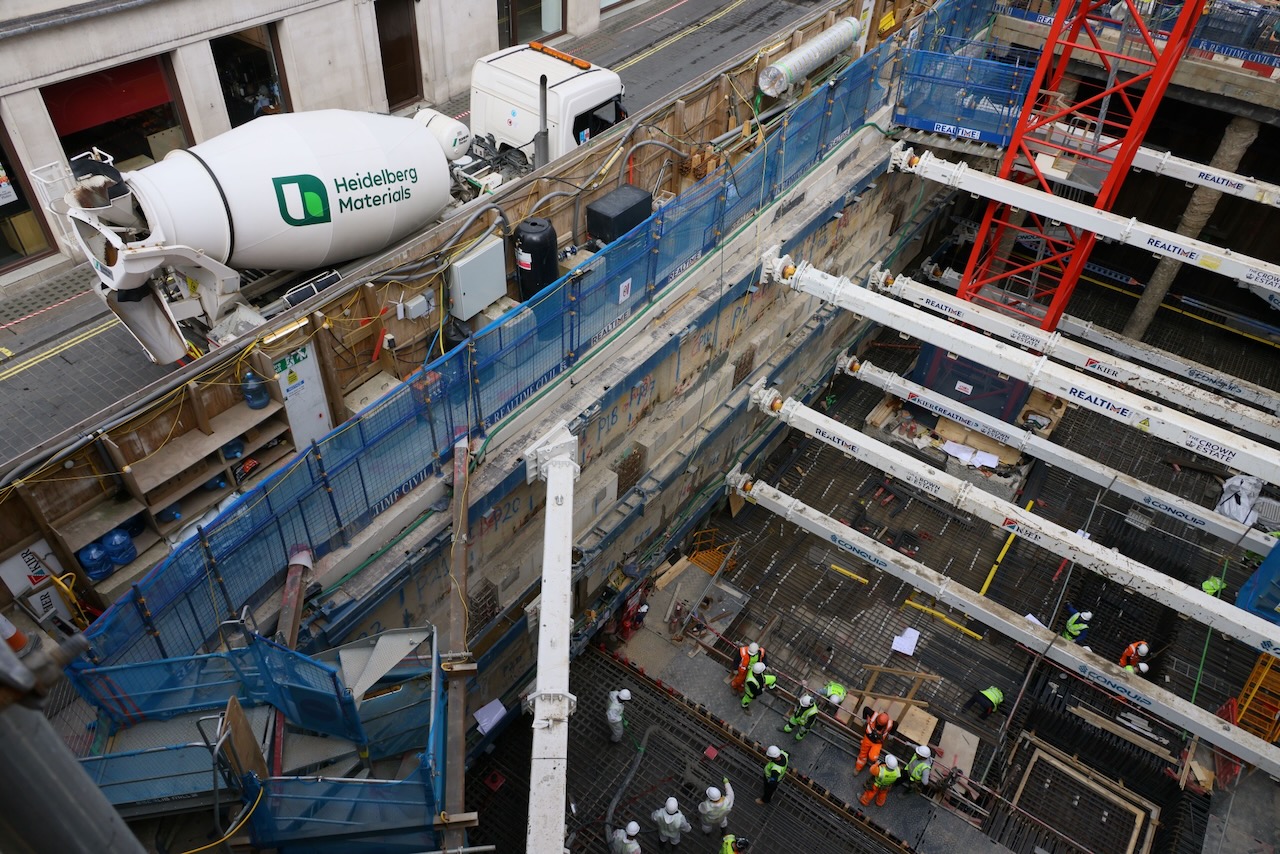
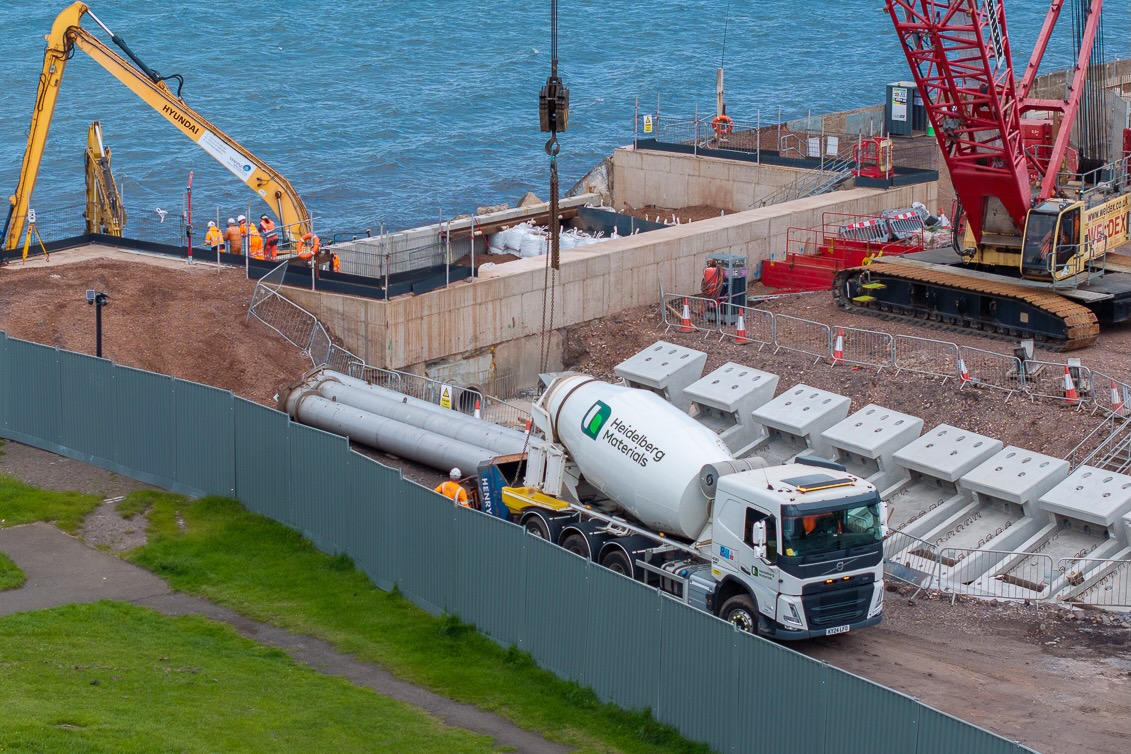
Heidelberg has supplied low carbon concrete, using carbon capture–decarbonised cement and GGBS, to Realtime Civil Engineering and Kier for the Crown Estate’s 33–35 Piccadilly redevelopment in central London. The mix design replaces a significant portion of Portland clinker with ground granulated blast-furnace slag, cutting embodied CO₂ compared with conventional CEM I concrete while maintaining structural performance suitable for a high-end commercial building. For contractors and designers, the project shows practical deployment of carbon capture–enabled binders on a constrained urban site with demanding specification control.
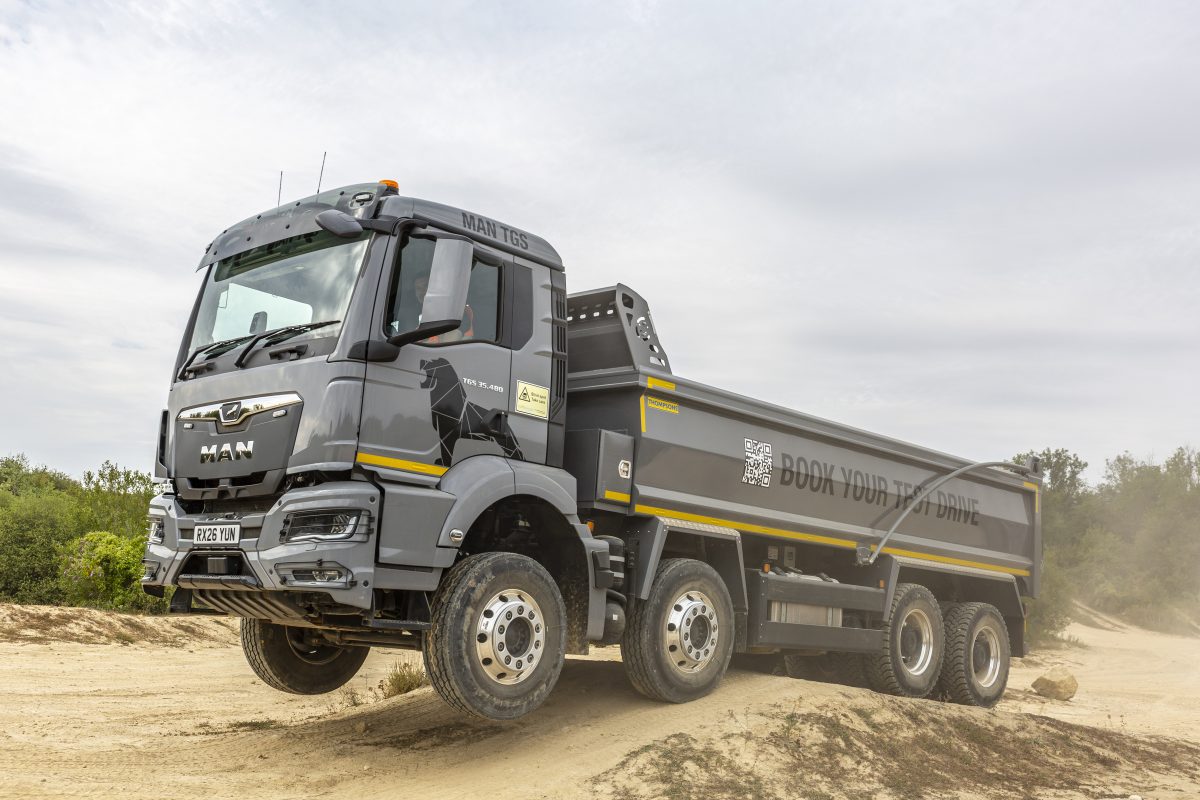
Michelin’s X Works Z2 and D2 315/80 R22.5 tyres are now available as original equipment on selected Man TGS construction trucks and tippers in the UK, offering the first B‑rated steer axle tyre for combined road and site use on fuel efficiency. Internal simulations show up to 10% longer life on steering axles and up to 25% on drive axles versus the previous generation, with a higher 158/150 load index adding 500kg capacity per single tyre position. The tyres are retreadable, feature reinforced sidewalls, 3PMSF winter approval and are compatible with electric trucks, targeting lower whole‑life operating costs.
A new US Mint one‑dollar “Trump gold coin” marking the 250th anniversary of American independence sold out within hours of its 2 September release, despite containing no gold and being struck instead from a copper alloy with 6% zinc, 3.5% manganese and 2% nickel. Marketed in rolls of 25 coins for $61, the gold‑coloured piece contrasts sharply with the Mint’s true bullion products priced up to $19,600 for palladium, gold and silver issues. The coin is legal tender with a circulating finish but is being positioned primarily as a collectible.
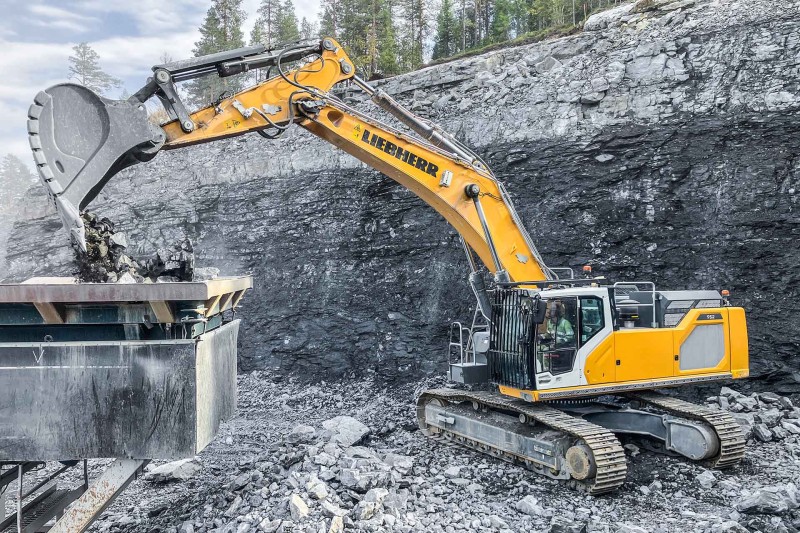
Liebherr has launched three 50‑tonne Generation 8 crawler excavators at Steinexpo – the R 948 G8 for earthmoving, the R 958 G8 for mining with an S‑HD chassis and ME equipment, and the versatile R 952 G8 with three chassis variants and higher engine power. All models feature LPE (Liebherr Power Efficiency) claiming up to 10% lower fuel use, Bucket Fill Assist automation, Modetronic adaptive machine settings, and an automatic central lubrication system. A passive 2D machine control system co‑developed with Leica Geosystems plus on‑board weighing is standard, with upgradeable 3D and semi‑automation options.
Two-phase flow between solid particles and interstitial air is shown to control how powders settle, discharge and move through hoppers, chutes and transfer points, with air pressure gradients often dominating behaviour in fine or aeratable materials. Jenike & Johanson’s microlearning session explains how phenomena such as flooding, ratholing and erratic discharge arise when air cannot escape freely, and why conventional single-phase flow assumptions fail. The content points engineers towards incorporating air permeation, deaeration and venting design into bulk solids handling calculations and equipment selection.
Revenue at Belgian building materials group Etex rose 4.9% in H1 2026, with cash flow up 8.8%, driven by stronger demand across several global markets. The supplier of lightweight construction systems, fibre cement boards and plasterboard reported that France and the UK lagged, reflecting weaker residential activity and delayed refurbishment work. For contractors and specifiers, the figures signal continued availability and investment capacity in Etex’s product lines, but with potentially tighter pricing and lead times in underperforming Western European markets.
IperionX has secured a US Army SBIR Phase III contract allowing US defence agencies to place titanium orders up to a collective $99 million, with the first two task orders worth about $19.8 million. Funding will expand integrated titanium powder-to-finished-component production at its Virginia facility, adding continuous HSPT and dehydride furnace capacity and bringing titanium fastener finishing fully in-house. The programme targets industrial-scale manufacture of titanium track pins, bolts and fasteners, with inspection and acceptance planned at Detroit Arsenal and Aberdeen Proving Ground, and may extend to aerospace‑grade components.
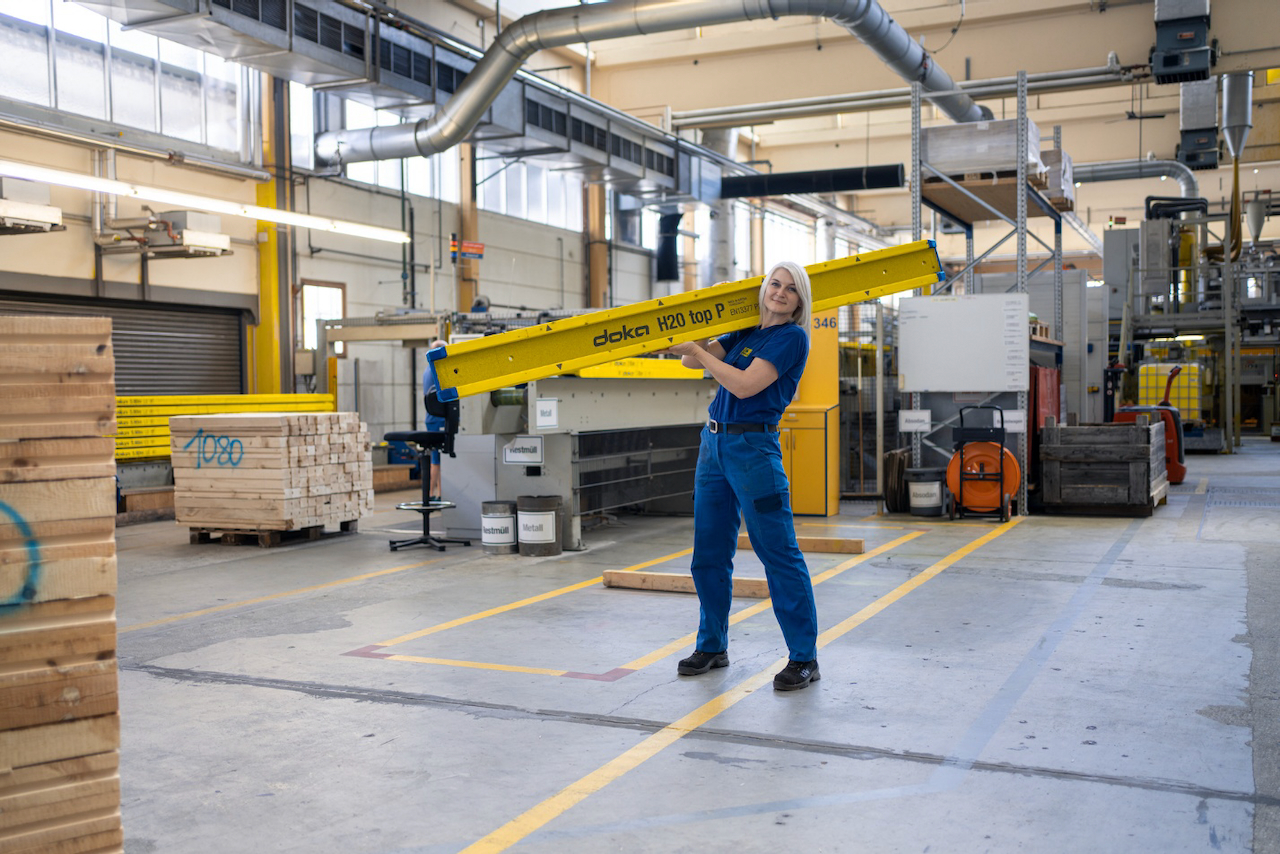
Doka has published product carbon footprints for more than 9,000 formwork and related products, giving contractors project-specific CO₂ data for lifecycle assessments and procurement decisions. The company, led on sustainability by Julia Weber, is targeting net zero by 2040 and has committed to cut Scope 1, 2 and 3 emissions by 42% by 2030, in line with the Science Based Targets initiative and the Paris Agreement 1.5°C pathway. For designers and temporary works engineers, the expanded dataset enables more accurate embodied carbon calculations at product and system level.
Modern highway construction is shifting towards low-carbon materials such as geopolymer concrete, high-recycled-content asphalt and bio-based binders to cut embodied CO₂ and improve performance under higher traffic loads and more intense rainfall. Designers are trialling warm-mix asphalt to reduce laying temperatures by 20–40°C and using secondary aggregates from construction and demolition waste to limit quarrying and landfill. Key challenges include variable material quality, limited long-term durability data, gaps in standards and specifications, and the need to adapt pavement design methods and site quality control.
Clean tech startup Voya Energy has secured US$35 million, led by Energy Impact Partners with backing from John Doerr and others, to commercialise aluminium-based metal fuel generators for large off-grid users such as data centres and industrial plants. The system uses low‑grade scrap aluminium pellets in a proprietary metal‑air cell with custom electrolyte, producing electricity electrochemically with no on-site combustion or air emissions and operating independently of the grid. Current designs target up to 2 MW per 20‑foot containerised generator with a separate 10‑foot fuel module holding about 100 MWh, scaling to roughly 100 MW and 10 GWh per acre.
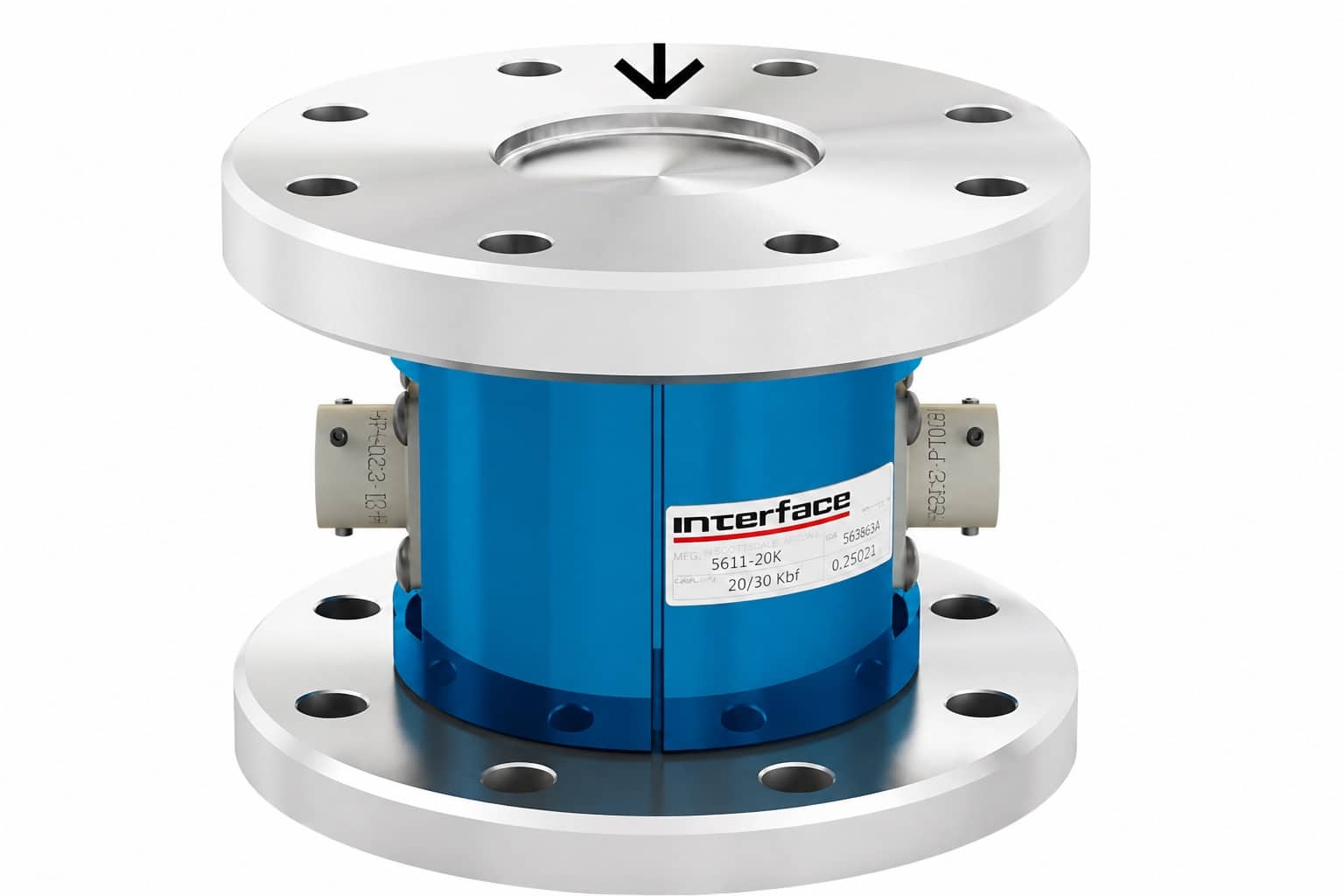
The Interface 5600 2-Axis Axial Torsion Load Cell combines compressive force and torsional moment measurement in a single flange-mount transducer, capturing both at the same point for demanding test and measurement rigs. Its compact, multi-axis design reduces fixture complexity compared with separate axial and torque sensors, freeing space around test specimens and simplifying alignment. For mining equipment OEMs and materials labs, the unit supports more accurate characterisation of drill strings, couplings and rotating components under combined loading.
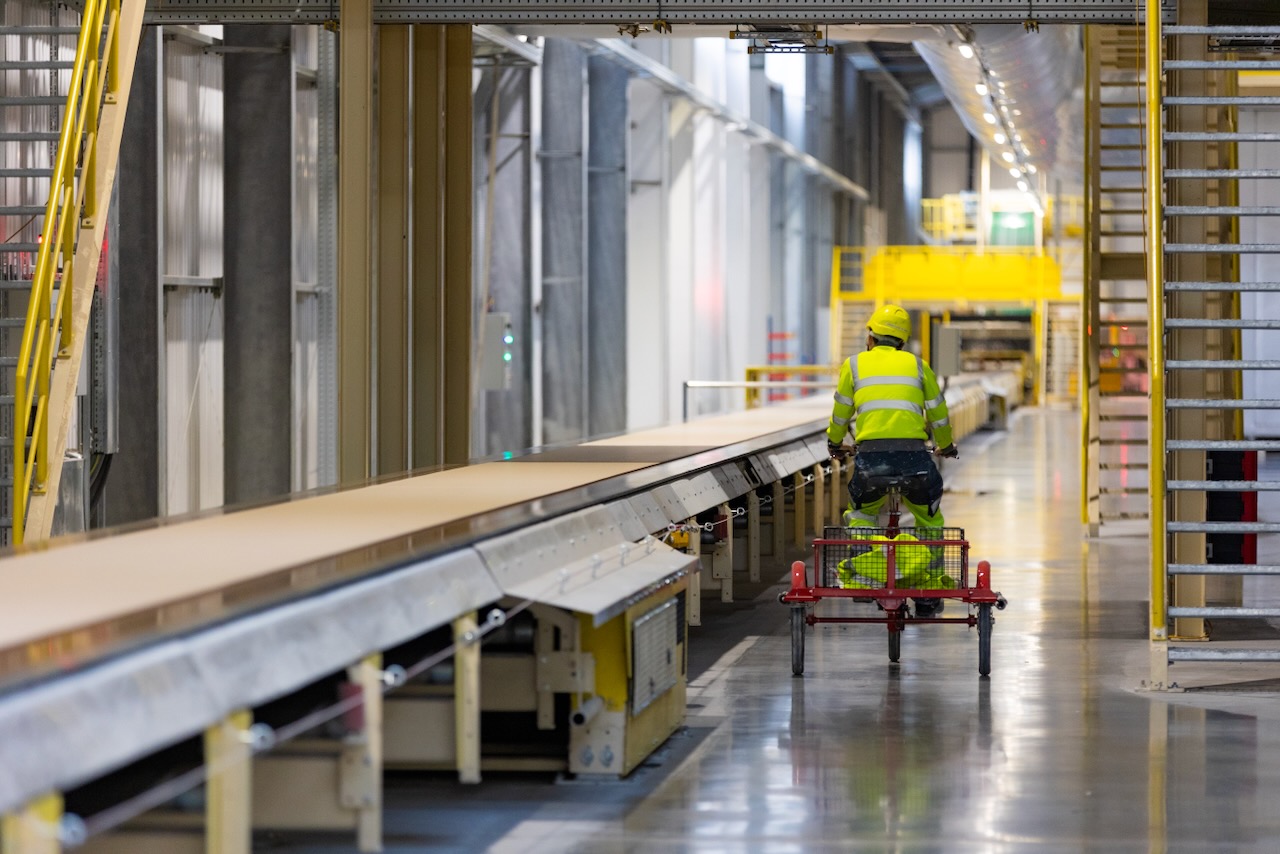
Drywall manufacturer Siniat has achieved a 5% reduction in carbon intensity across its plasterboard products following a £170m upgrade of its Bristol HQ production line (opened March 2025) and improvements at its Ferrybridge plant, enabling retirement of older, less energy‑efficient equipment. The programme forms part of parent company Etex’s target to cut Scope 1 and 2 emissions by 35% using higher recycled content, lower energy intensity per tonne and a zero‑waste‑to‑landfill approach. Verified Environmental Product Declarations now cover over 86% of Siniat products, giving designers and contractors project‑level carbon data aligned with UK Net Zero Carbon Building Standard reporting.
Niron Magnetics has secured a $150 million loan from the Shakopee Mdewakanton Sioux Community and a conditional $150 million, 20‑year direct loan commitment from the US Department of War’s Office of Strategic Capital to build its first full‑scale iron nitride magnet plant in Sartell, Minnesota. The facility, targeting start-up in 2027, will manufacture rare-earth-free iron nitride permanent magnets, aiming to establish a domestic supply for defence and other critical industries. For materials and mining suppliers, the project signals growing demand for iron-based magnet feedstocks and equipment for end-to-end magnet manufacturing lines.
Hertha Metals has produced 99.95% purity (3N5) magnet-grade iron at its demonstration-scale FLEXHERS (flexible fuel hydrogen electric reduction smelting) plant in Conroe, Texas, using fully domestic iron ore and natural gas. The Houston startup says it is the first US producer to meet top rare earth magnet makers’ iron specifications with entirely domestic inputs, addressing a material that currently is almost wholly imported. With US defence manufacturers facing a 1 January 2027 deadline to cut Chinese-origin magnet content, Hertha plans its next Chalyx facility to supply high-purity iron for NdFeB magnet producers.
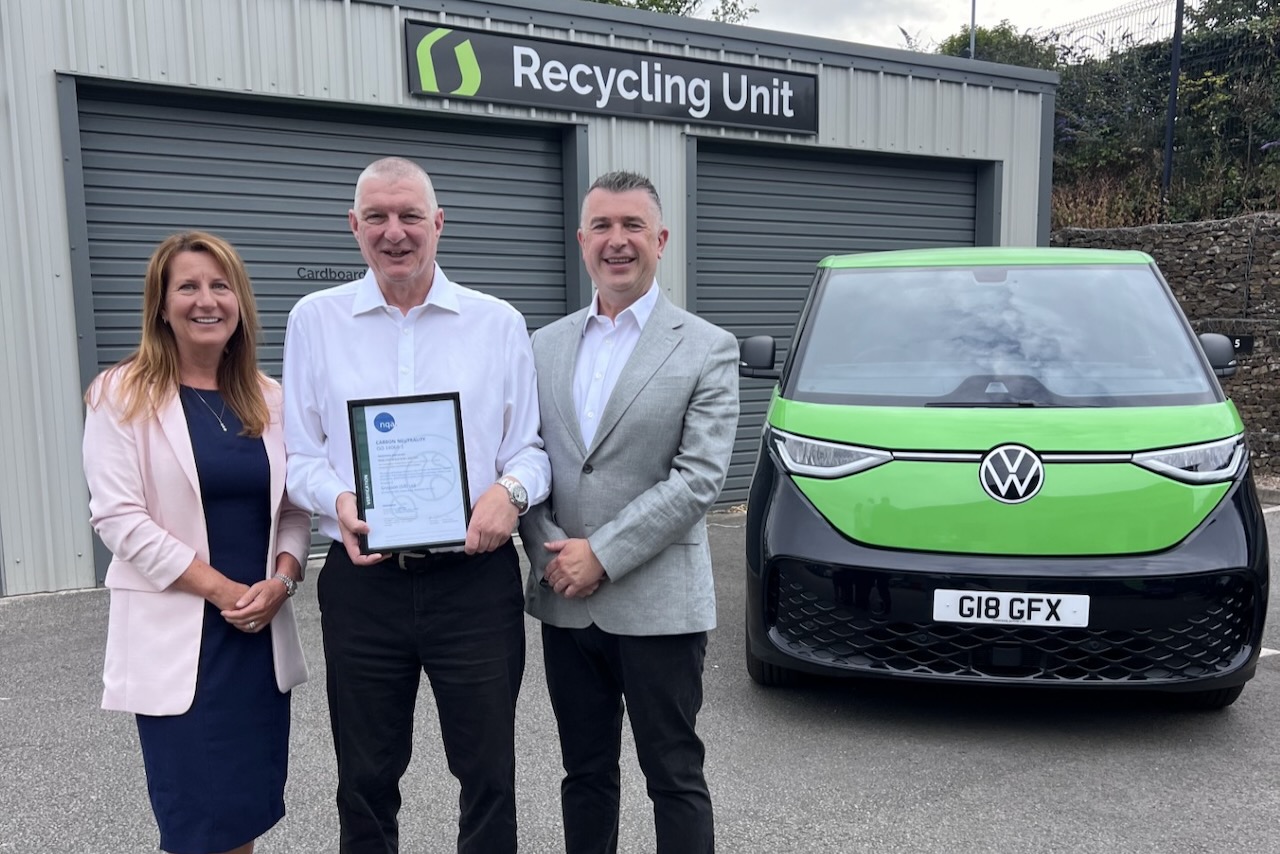
Grayson has secured ISO 14068 carbon neutrality certification, moving from PAS 2060 to the more demanding international standard that requires quantified emission reductions and independently verified offsets. The company has invested in on-site solar generation, battery storage and lower-carbon logistics, and developed site products such as the recycled aluminium G Board mortar board, designed to replace multiple timber boards over a bricklayer’s career and remain fully recyclable. Building on its earlier Zero Waste to Landfill status, Grayson is among the first UK construction suppliers to meet ISO 14068, giving contractors stronger assurance on embodied carbon claims.
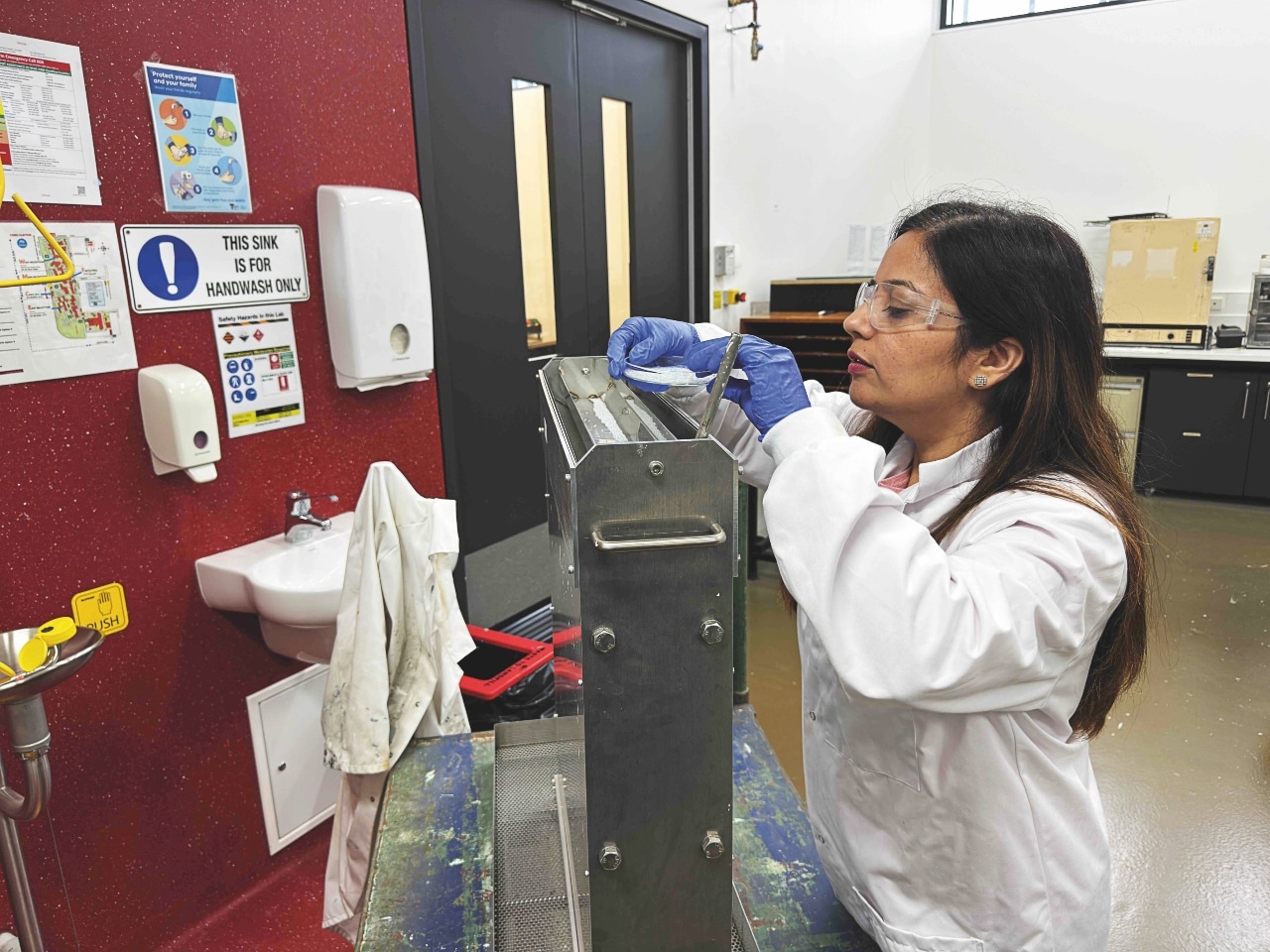
CSIRO is running independent testing and verification of materials used in Australian road line markings, focusing on retroreflective glass beads and binder systems to maintain night-time visibility and durability on high-speed motorways. Materials Performance team leader Money Arora oversees laboratory assessment of bead size distribution, refractive index and coating adhesion against strict specification criteria before products are approved for use. The work directly affects pavement marking design life, maintenance intervals and performance under heavy traffic loading and UV exposure, especially on multilane arterial and freight routes.
Housebuilding slowdown has pushed Ibstock’s first-half revenues down 15.1% to £164m, with profit before tax swinging from an £8m profit in 2025 to a £27m loss in 2026, despite clay brick revenues only falling 8% to £118m and concrete revenues £44m, down 11% like-for-like. Brick volumes declined by less than the market average, supported by February price increases and a temporary energy and fuel surcharge introduced in June. With major upgrades to its manufacturing network largely complete, Ibstock plans to keep flexing capacity, inventories and costs, targeting stronger adjusted EBITDA in H2.
Builders merchants MKM Airdrie will begin stocking Sisalwool natural fibre insulation batts, loft rolls and breathable low‑carbon products, following a link-up arranged by the Federation of Master Builders Scotland. The range, already used on the Greyfriars Charteris Centre in Edinburgh, is aimed at heritage, retrofit and conservation projects where vapour-open, hygroscopic insulation is often required to manage moisture in solid-wall and traditional constructions. A launch “Builders’ Breakfast” with live installation demonstrations is scheduled for 27 August at the Airdrie branch.
Marshalls reported a 0.5% fall in first-half revenues to £317.8m but increased profit before tax by 13.2% to £24.9m, up from £22m in the first half of 2025. The building products manufacturer appears to be holding margins in a weak construction market, implying tighter cost control and more selective pricing across its paving, drainage and hard landscaping ranges. Contractors and specifiers can expect continued supply from a financially stable UK producer, but with limited scope for aggressive discounting on standard civils and streetscape products.
JCB’s Hydromax hydrogen-powered streamliner has reached 368.347mph at the Bonneville Salt Flats, breaking the Southern California Timing Association Blown Gas Streamliner (AA/BGS, 500+ cubic inches) class record of 348.342mph set by the Spectre Streamliner in 2010. Driven by Wing Commander Andy Green OBE, the car uses two production-based JCB hydrogen internal combustion engines now being pushed towards a combined 1,600hp. The team is preparing the vehicle for an FIA-sanctioned outright world land speed record attempt next week, positioning hydrogen ICE as a zero-emission, high-load power option for heavy plant.
Niron Magnetics has secured a conditional $150 million, 20‑year direct loan commitment from the US Department of War’s Office of Strategic Capital to build an advanced Iron Nitride magnet plant in Sartell, Minnesota. The 287,000‑square‑foot facility, due online in 2027, is designed for integrated material‑to‑magnet production of up to 1,500 tonnes per year of rare‑earth‑free permanent magnets, with a follow‑on US plant targeted at 10,000 tonnes annually from 2028. Iron Nitride technology, developed at the University of Minnesota over 13 years, offers a domestic alternative to rare earth magnet supply dominated by Asian producers.
Enva has launched White HIPS-8513, a high-impact polystyrene compound made from end-of-life refrigerators, containing 93% post-consumer recycled content and positioned as its whitest recycled HIPS grade for construction products such as piping, ducting, ventilation components, access panels and loft hatches. Life cycle assessment shows more than 90% lower carbon emissions than equivalent virgin HIPS while maintaining prime-equivalent mechanical performance and colour consistency. With integrated control from appliance recycling to compounding, Enva has installed capacity to supply 12,000 tonnes per year, targeting long-term, traceable raw material streams for manufacturers.
SuperCritical Materials has appointed Neal Froneman, founder and former CEO of Sibanye-Stillwater, as chair of its board, bringing more than 30 years’ experience and a track record that includes leading Sibanye’s move into lithium via a stake in Finland’s Keliber project. Froneman, already an investor in SuperCritical, says he was attracted by its focus on fuel‑production infrastructure for nuclear. The company is scaling advanced seawater uranium extraction to expand nuclear fuel supply for new reactors and power‑hungry AI data centres, signalling future demand for large marine and processing facilities.
CRH reported second-quarter revenues of $10.8bn, up 6%, with adjusted EBITDA rising 7% to $2.6bn, driven by 10% revenue growth in its Americas Materials Solutions business and 5% growth in Europe from infrastructure and reindustrialisation demand. The group agreed an $8.5bn acquisition of Arcosa to strengthen its aggregates and critical infrastructure footprint in North America, while completing three non-core divestitures. For contractors and materials suppliers, this signals sustained demand for asphalt, aggregates and concrete, particularly in US and European infrastructure pipelines.
Carbon capture is being deployed at cement plants to tackle process emissions that account for much of cement’s contribution to roughly 8% of global CO₂ output, targeting the calcination step where limestone is converted to clinker. Projects are trialling post‑combustion capture on kiln exhausts, oxy‑fuel combustion to produce CO₂‑rich flue gas, and integration with storage or utilisation routes such as mineralisation in aggregates. For designers and contractors, this enables lower‑embodied‑carbon concrete without major changes to mix design, but raises questions on plant energy demand, capture rates and long‑term storage liability.
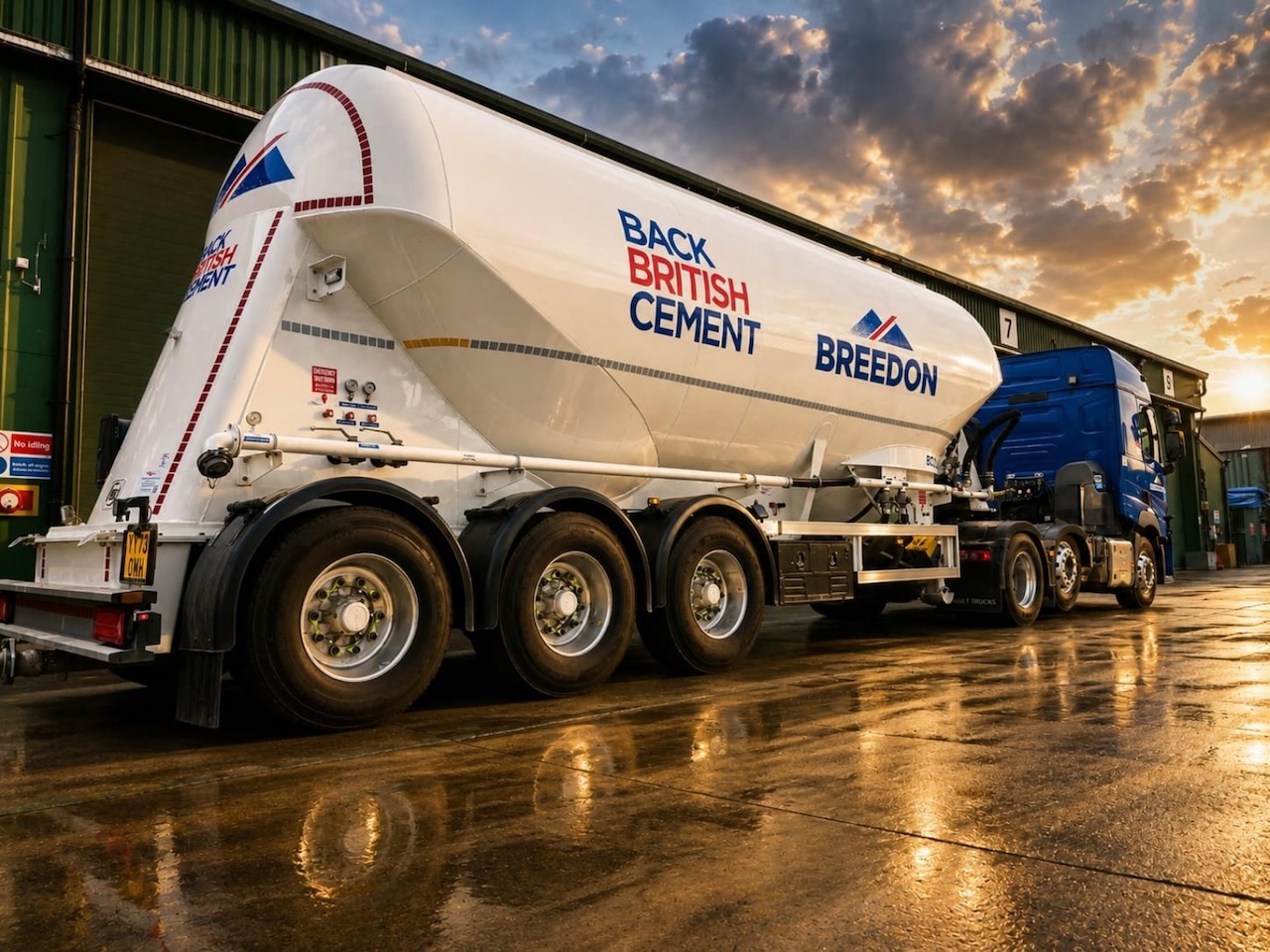
Building materials group Breedon reported first-half revenues of £857.9m, with volumes in Great Britain continuing to decline while its newly established US business delivered what it called a “strong start”. The company, a major supplier of aggregates, asphalt and ready-mixed concrete to UK infrastructure and housing schemes, is seeing weaker demand in British construction markets despite ongoing road and civils work. For contractors and material specifiers, this points to tighter domestic supply dynamics and a growing shift in Breedon’s capital and production focus towards North America.
Fischer has launched FBS 4 and FBS 5 concrete screws for electrical and HVAC fixings in concrete and dense masonry, with fire resistance rated up to R120 and expansion-free undercut anchorage allowing small edge distances and close spacing. Serrated thread geometry cuts rapidly into the substrate for faster installation with cordless impact drivers, while two anchorage depths let installers adjust for differing load demands and to bridge plaster layers. The zinc-plated range spans five variants, including FBS 5 US with hex head and washer, FBS 5 M6 threaded stud, and a dedicated FBS 4 cable clip screw.
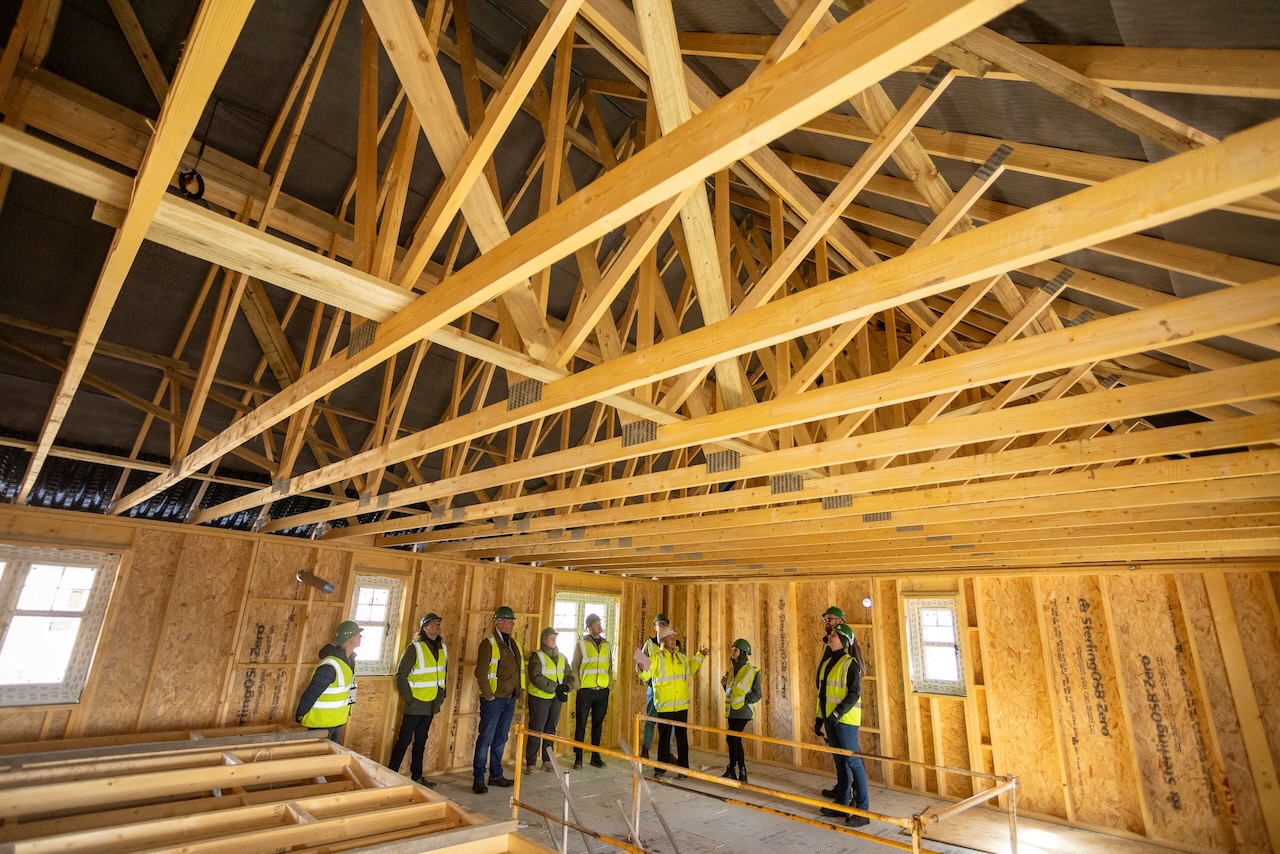
Structural timber’s role in accelerating UK housebuilding was pushed at a Palace of Westminster panel chaired by Matt Turmaine MP and Baroness Ritchie, with senior figures from the Structural Timber Association, Egger UK, Lowfield Timber Frames and Places for People addressing major housebuilders and social housing providers. STA CEO Andrew Orriss noted that seven of the UK’s top 15 housebuilders plan to manufacture in timber frame, aligning with DEFRA’s Timber in Construction Roadmap and Net Zero 2050 targets. Timber’s lower embodied carbon and carbon sequestration were positioned as key advantages over traditional materials.
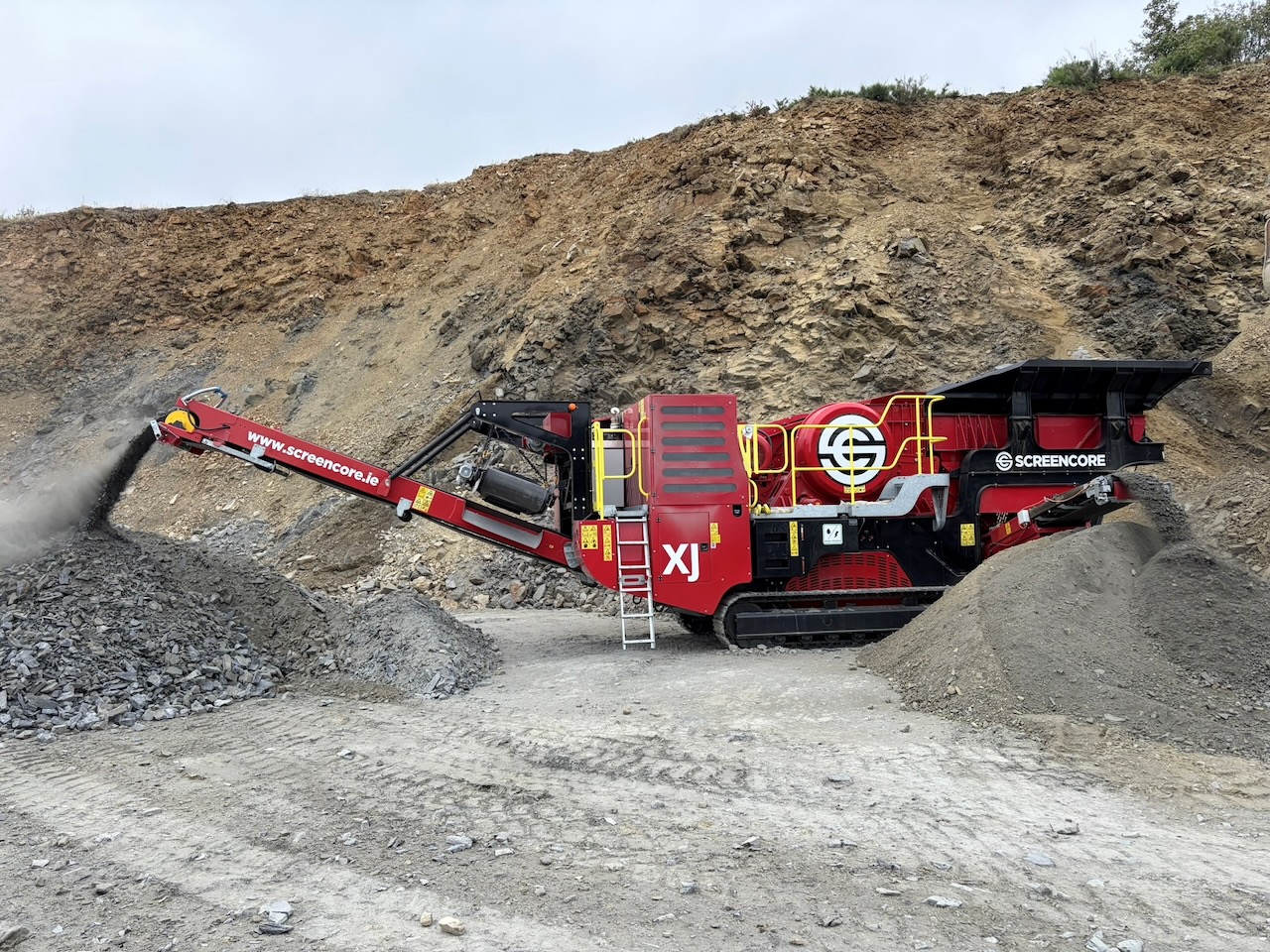
Northern Ireland manufacturer Screencore has appointed RME Solutions as exclusive distributor for its full range of mobile screens and crushers, plus spare parts, across France. RME, led by managing director Benoît Roglet, will provide nationwide after-sales coverage, including service, maintenance and customer support for quarrying, recycling platforms, demolition sites and public works. The Screencore line will be integrated with RME’s existing sorting, grinding, sieving and cleaning equipment portfolio, giving French operators a single supplier for complete materials preparation circuits.
Heidelberg has launched a new range of high-thermal-conductivity, low-resistivity backfill and bedding materials specifically engineered for high and ultra-high voltage underground power cables. The products are formulated to improve heat dissipation from cable systems, reducing localised temperature rise and associated ampacity constraints compared with conventional granular or cementitious surrounds. For civil and geotechnical designers, this allows tighter cable spacing, potentially shallower trench sections, and more reliable performance in dense urban corridors where thermal bottlenecks often limit circuit capacity.
President Donald Trump will appear on a new US one‑dollar “gold coin” for the country’s 250th anniversary, although the piece will be struck in base metals with only a gold‑coloured finish and no precious‑metal content. Production is scheduled at the Philadelphia Mint ahead of a planned autumn 2026 release, with the design showing Trump’s portrait, “In God We Trust”, and the dates 1776‑2026. The move contrasts sharply with bullion issues like the American Gold Eagle and Buffalo and has triggered legal debate over bans on depicting living presidents.
The U.S. National Science Foundation has awarded up to $160 million to the University of Missouri-Kansas City-led NSF Critical Materials Crossroads Engine to build a domestic ecosystem for critical metals and advanced materials used in batteries, aircraft engine components and semiconductors. The Missouri-Kansas corridor initiative, launched in 2022, brings together more than 260 partners to scale production from concentrated ore and spent materials recovered both domestically and internationally, targeting reduced reliance on foreign-controlled supply chains. Economic modelling projects about 10,000 jobs and up to $40 billion in output by 2036, with a $17 billion boost to regional GDP.
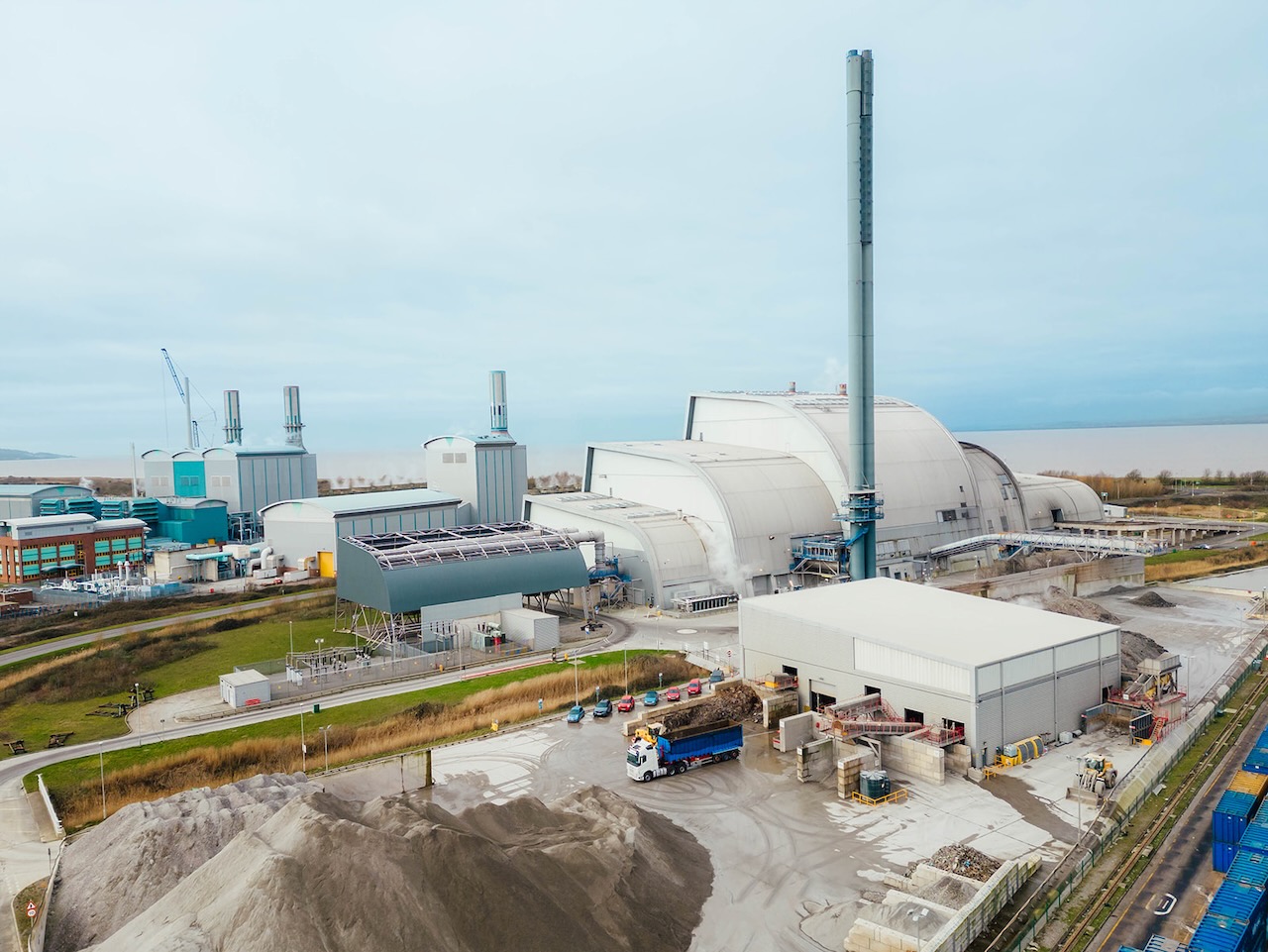
Blue Phoenix, an international producer of sustainable secondary aggregates, has signed a three‑year agreement with digital reuse platform MukAway, signalling a shift from traditional waste logistics into online materials trading. The deal will channel incinerator bottom ash and other secondary aggregates through MukAway’s marketplace, matching surplus materials from energy‑from‑waste and recycling plants with nearby construction and infrastructure projects. For contractors and geotechnical designers, this could increase availability and traceability of certified recycled aggregates, supporting specification of lower‑carbon sub‑base and fill materials where local standards permit.
Materials supplier BRCK Group reported full-year revenue to 31 March 2026 up 1.3% to £645.4m, with adjusted pre-tax profit rising 4.9% to £38.3m despite gross profit margins edging down from 19.1% to 18.9% amid price pressure and weak housebuilding. Growth was driven by an 8.8% increase in its design & install division after restructuring into two core units: distribution and design & install. The group completed the acquisition of H S Jackson & Son fencing post year-end, signalling continued diversification and capacity for further bolt-on deals.
CATL has acquired a 20% stake and board seat in New Zealand-based CarbonScape, positioning itself as industrialisation partner for the company’s forestry by-product–derived “biographite” anode material. CarbonScape’s process converts renewable feedstock from major forestry suppliers into battery-grade graphite, targeting US and European lithium-ion supply chains that currently rely on oil-based feedstock for over 75% of graphite. A demonstration plant in Kotka, Finland, will build on an existing New Zealand pilot, with commercial-scale biographite production targeted by the end of the decade.
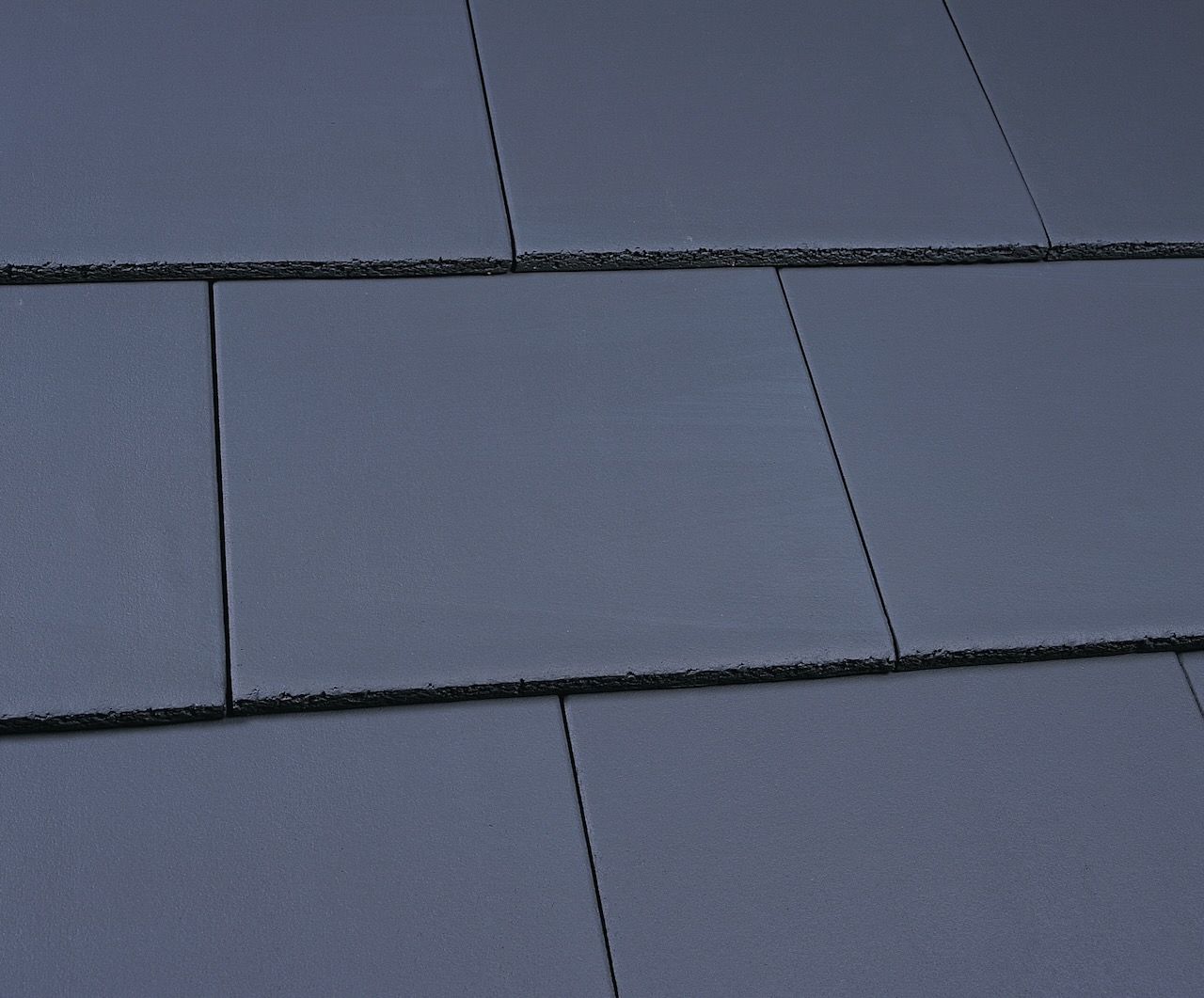
Marley has launched Edgemere 2.0 concrete interlocking roof tiles using Heidelberg Materials’ evoZero cement, which relies on carbon captured and “banked” from Heidelberg’s Brevik plant in Norway, currently sequestering about 400,000 tonnes of CO₂ per year. The tiles carry a low Global Warming Potential, Green Guide A+ rating and BES 6001 Excellent certification, targeting specifiers seeking verifiable low‑carbon roofing materials. Heidelberg is also constructing a carbon capture plant at its Padeswood cement works in north Wales, designed to capture about 95% of emissions, or roughly 800,000 tonnes of CO₂ annually, from 2029.
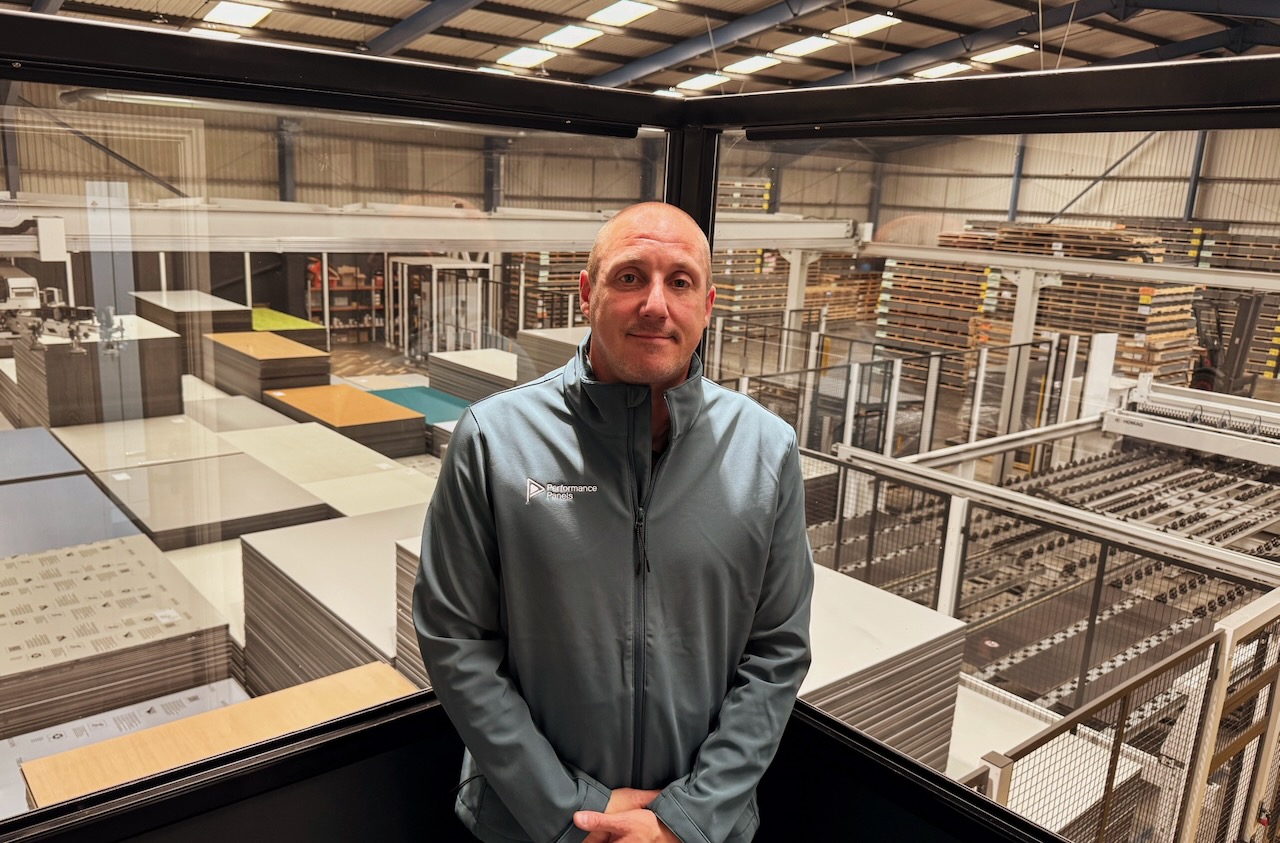
Performance Panels, the distribution arm of See Limited, will now supply Broadview’s Formica Compact Collection across the UK, adding to its existing Trespa distribution agreement. The compact laminate range targets high-wear education, healthcare, and commercial interiors where impact resistance, moisture tolerance, and low-maintenance surfaces are critical for lifecycle cost and hygiene performance. Combining Formica Compact with Trespa panels gives architects, contractors, and fabricators a broader specification palette from a single distributor, simplifying procurement and detailing for robust wall linings, worktops, and façade-adjacent applications.
Reynaers Aluminium UK has appointed Jim Smith, a building products veteran with more than 30 years’ experience, as managing director with a mandate to accelerate growth in the architecture and specification markets and strengthen commercial capability. Smith will maintain a core focus on the group’s Science-Based Targets initiative pathway, which commits to a 50% carbon footprint reduction by 2030. For façade, window and door specifiers, Reynaers is pushing aluminium systems designed for energy efficiency, climate resilience, durability and recyclability, embedding circularity and eco-design at project design stage.
Commonwealth Fusion Systems has become the first international partner in the UK Atomic Energy Authority’s Lithium Breeding Tritium Innovation (Librti) programme at Culham, supporting development of tritium-breeding technologies for future fusion power plants. The collaboration will focus on testing lithium-based breeder materials and component designs under fusion-relevant conditions to optimise tritium production and recovery. For civil and materials engineers, the work points to future design requirements for breeder blankets, cooling circuits and radiation-resistant structural materials in commercial fusion infrastructure.
VASO Global has secured £5m from PXN Ventures, Scottish Enterprise, UK Research Innovation and Eco Group to accelerate development of structural composite panels manufactured from recycled glass. The funding will support scale-up of panel production and validation of load-bearing performance, targeting use in building envelopes and other structural applications where composites can replace steel or concrete elements. For engineers, the move signals growing investor confidence in glass-based composites as a lower-carbon alternative material, pending full structural testing and certification.
Lhoist North America and Martin Marietta Materials have agreed a definitive merger that will combine Lhoist’s lime and limestone operations with Martin Marietta’s aggregates and heavy building materials portfolio into a single North American minerals group. The deal brings together Lhoist’s industrial lime plants and kiln assets with Martin Marietta’s quarry network and rail-linked distribution terminals, creating a larger integrated platform for construction aggregates, chemical-grade limestone and lime products. For geotechnical and civil contractors, the combined entity is likely to influence regional pricing and availability of aggregates, armourstone and stabilisation lime on major infrastructure and mining projects.
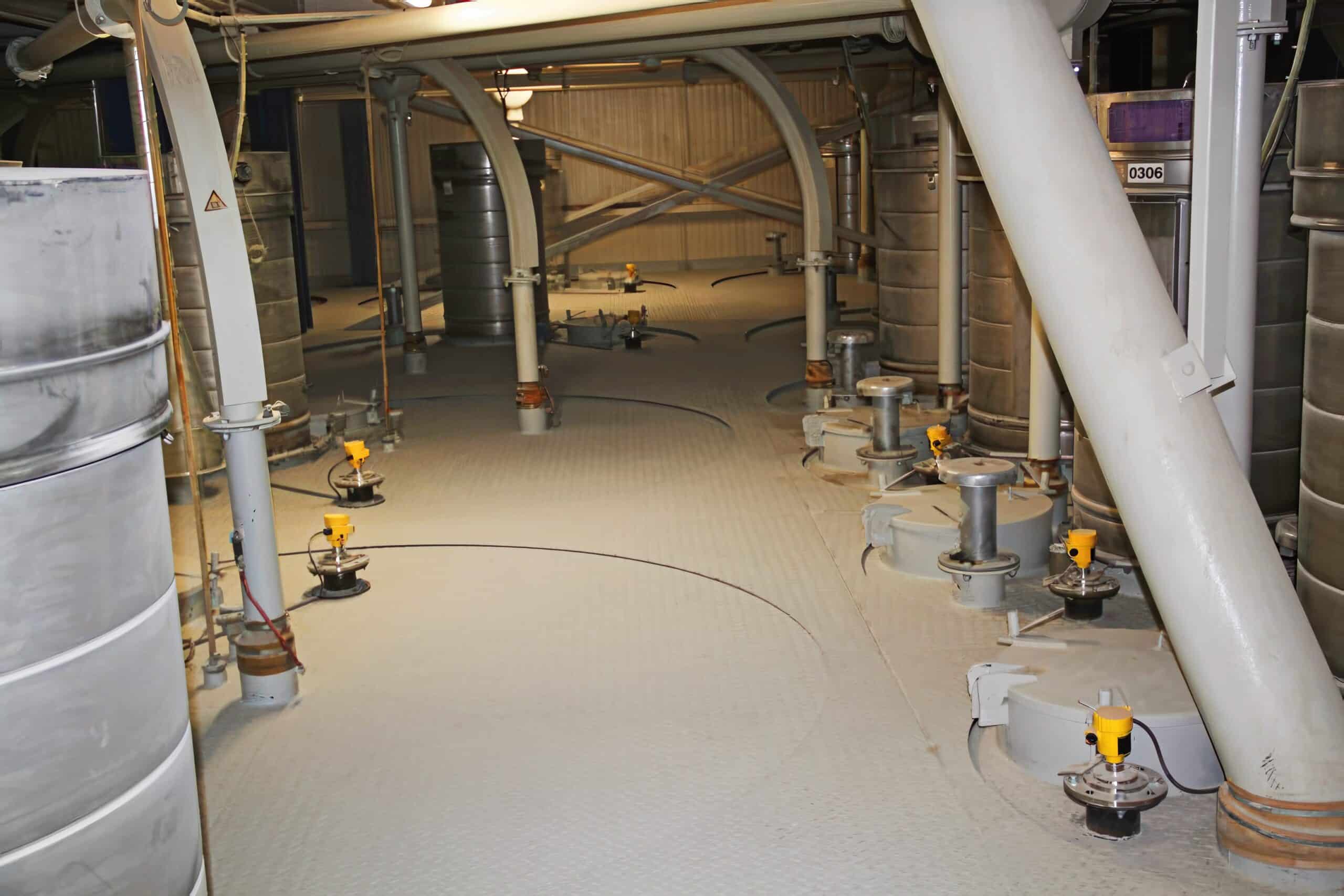
VEGAPULS non-contact radar level sensors have replaced traditional silo weighing systems at Sto’s building materials plant to monitor raw material and finished product stocks in real time. Each silo is now fitted with a VEGAPULS unit mounted on the roof, providing continuous level measurement unaffected by dust, material build-up or varying bulk densities that previously distorted load-cell readings. The upgrade is aimed at tightening inventory control and supporting punctual deliveries of cementitious and other construction materials to infrastructure projects.
Paebbl has launched Rebond 300, a near‑white, carbon negative cement alternative with a footprint of -149kg CO2 per tonne that can replace up to 30% of conventional cement in standard mixes. The SCM-based binder delivers up to 40% reduction in embodied carbon at typical replacement ratios, a 10x improvement over Paebbl’s first‑generation material, while remaining compatible with existing ready‑mix and precast workflows. The Rebond Series is formulated to work across a family of silicate minerals and uses lower clinker process temperatures, reducing heat demand and permanently storing CO2.
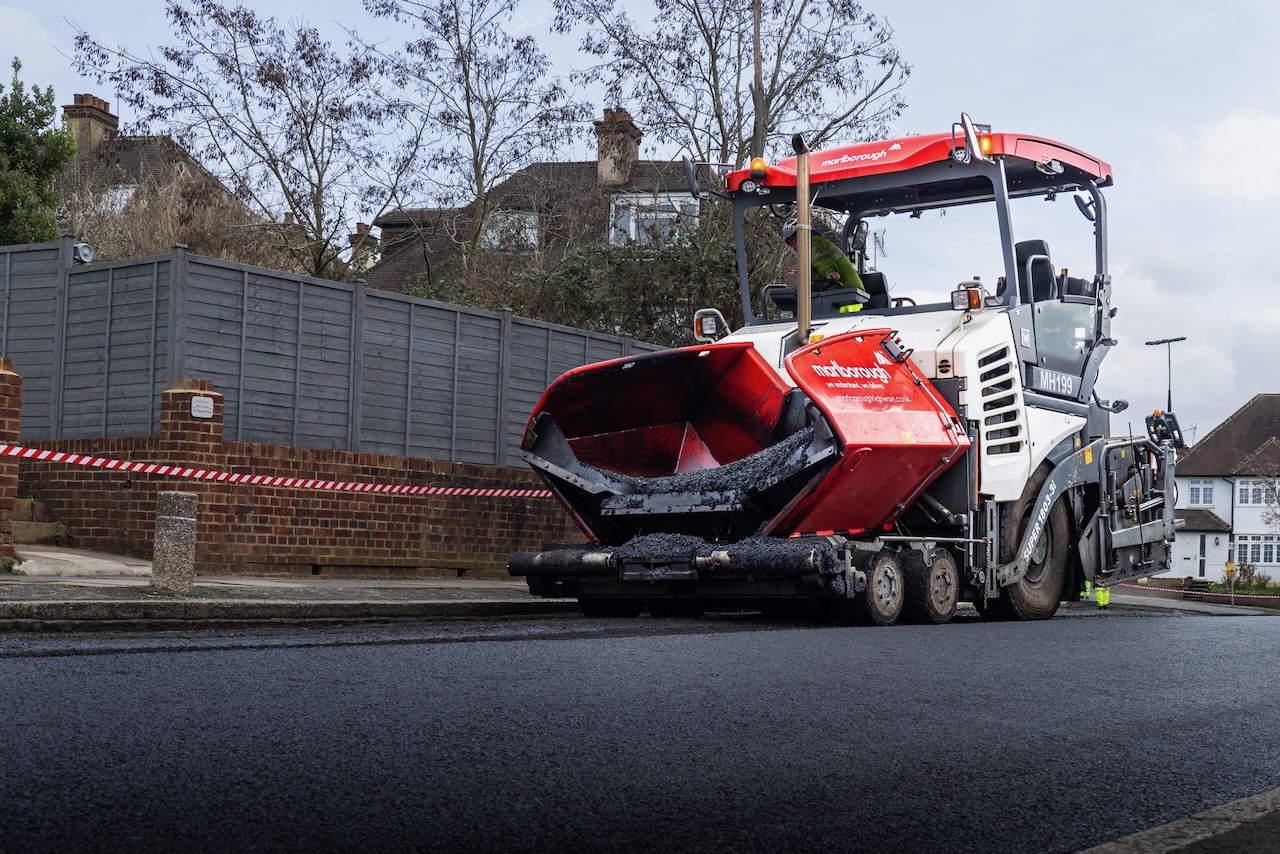
Marlborough Highways has resurfaced three live streets for Barnet Council in six days using Holcim SuperLow asphalt and ACLA, a carbon-negative aggregate alternative from Low Carbon Materials, as part of the borough’s BarNET ZERO programme. ACLA was incorporated in the binder course to cut embodied carbon while maintaining carriageway performance, supported by electric rollers, electric disc cutters and electric vans on a 100% renewable tariff, with HVO-powered plant used where electrification was not viable. The scheme cut the estimated carbon footprint from 62.34t CO₂e to as low as 4.49t CO₂e, with most savings coming from material selection rather than plant changes.
Decarbonising the cement sector hinges on cutting process emissions from limestone calcination and fuel combustion in high-temperature kilns, which together make cement one of construction’s largest embodied carbon sources. The piece centres on how robust carbon accounting frameworks, including project-level whole-life carbon assessments and product-level Environmental Product Declarations (EPDs), can expose the relative impacts of clinker content, alternative fuels and SCMs such as fly ash or GGBS. For designers and contractors, consistent accounting is critical to comparing low-clinker cements, specifying lower-carbon mixes and evidencing compliance with client net zero targets.
Martin Engineering has introduced the N2 Air Cannon Intelligence (ACI) System, turning conventional air cannons in cement kilns and other high-temperature process lines into monitored, connected assets. Wireless N2 sensors mounted on each cannon feed real-time pressure, firing and cycle data to a central gateway, allowing operators to detect misfires, blocked valves and suboptimal firing sequences without manual inspection. For materials handling and process engineers, this enables tighter control of build-up removal on preheaters, riser ducts and clinker coolers, reducing unplanned shutdowns and compressed air waste.