El Niño disruptions to copper and nickel: risk and resilience notes for mine teams
Reviewed by Tom Sullivan
First reported on MINING.com
30 Second Briefing
Strong-to-very strong El Niño conditions, with an 83% chance of exceeding all events since 1950, are set to disrupt copper and nickel supply through early 2027 via drought, flooding and power shortages across Latin America, Africa and Southeast Asia. Chilean and Peruvian copper hubs face flood risk to mines, smelters and ports—operations such as Los Bronces and El Teniente were previously halted in 2017—while Zambia and DRC copper smelters risk hydropower-driven load shedding. In Indonesia, drought has already forced output cuts at Morowali, with around 100,000 tonnes of NPI production affected.
Technical Brief
- Strong-to-very strong conditions are forecast to persist through Jan–Mar 2027, extending disruption exposure windows.
- 2017 El Niño forced full operational halts at Los Bronces and El Teniente, evidencing flood-vulnerability of Andean assets.
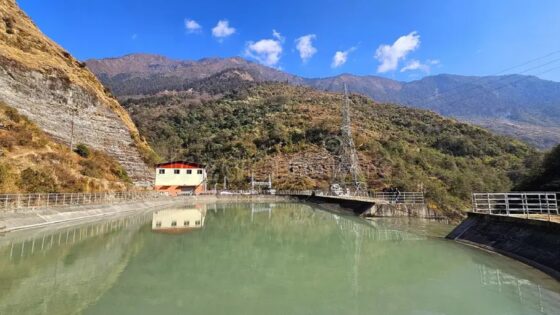
- In Zambia and DRC, hydropower-dependent copper smelters face load-shedding risk from drought-reduced reservoir inflows.
- Morowali Industrial Park reports several nickel smelters already throttling output due to process-water shortages.
- Around 100,000 tonnes of NPI production at Morowali is at risk from current drought constraints.
- Failure mechanism focus: concurrent hydrological extremes (flooding or drought) overloading water management, power, haulage and tailings systems.
- Monitoring and remediation need integrated hydromet, power-supply and water-balance surveillance, plus pre-planned curtailment and rerouting protocols.
Our Take
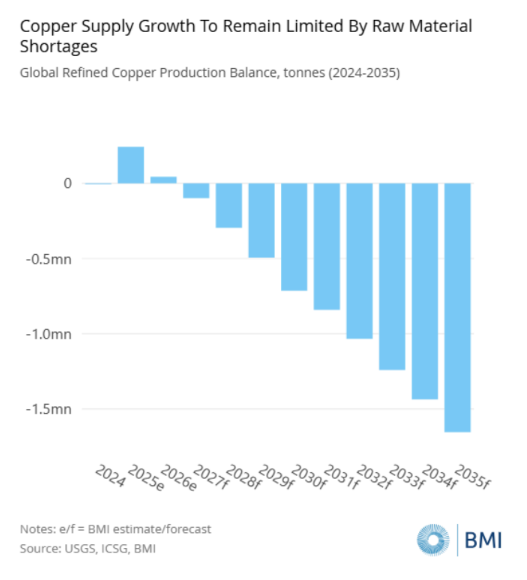
BMI and Fitch Solutions are already projecting tighter 2026–27 markets for copper, nickel and other critical minerals in several related pieces, so El Niño‑linked disruptions in Chile, Peru, Indonesia and the DRC would likely reinforce the bullish price bias they have been signalling rather than create a new narrative.
With Los Bronces, El Teniente and Oyu Tolgoi all in regions flagged for climate volatility, operators such as Anglo American, Codelco and Rio Tinto may need to treat El Niño as a design‑basis load for water management and power security, not just an operational risk, particularly where hydropower dependence exceeds the 20% threshold noted in the article.
In our Hazards coverage, copper and nickel recur frequently alongside ‘Projects’ and ‘Failure’ tags, suggesting that climate‑driven disruptions are increasingly being treated as a project delivery and asset‑integrity issue for critical minerals, rather than just a short‑term production or price problem.
Prepared by collating external sources, AI-assisted tools, and Geomechanics.io’s proprietary mining database, then reviewed for technical accuracy & edited by our geotechnical team.
Related Articles

Related Industries & Products
Mining
Geotechnical software solutions for mining operations including CMRR analysis, hydrogeological testing, and data management.
CMRR-io
Streamline coal mine roof stability assessments with our cloud-based CMRR software featuring automated calculations, multi-scenario analysis, and collaborative workflows.
HYDROGEO-io
Comprehensive hydrogeological testing platform for managing, analysing, and reporting on packer tests, lugeon values, and hydraulic conductivity assessments.
GEODB-io
Centralised geotechnical data management solution for storing, accessing, and analysing all your site investigation and material testing data.