Geomechanics.io

  • Free Tools
Sign UpLog In
    AllGeotechnicalMiningInfrastructureMaterialsHazardsEnvironmentalSoftwarePolicy

    Geomechanics.io

    Geomechanics, Streamlined.

    © 2026 Geomechanics.io. All rights reserved.

    Geomechanics.io

    CMRR-ioGEODB-ioHYDROGEO-ioQCDB-ioFree Tools & CalculatorsBlogLatest Industry News

    Industries

    MiningConstructionTunnelling

    Company

    Terms of UsePrivacy PolicyLinkedIn
    Product
    Projects
    Sustainability

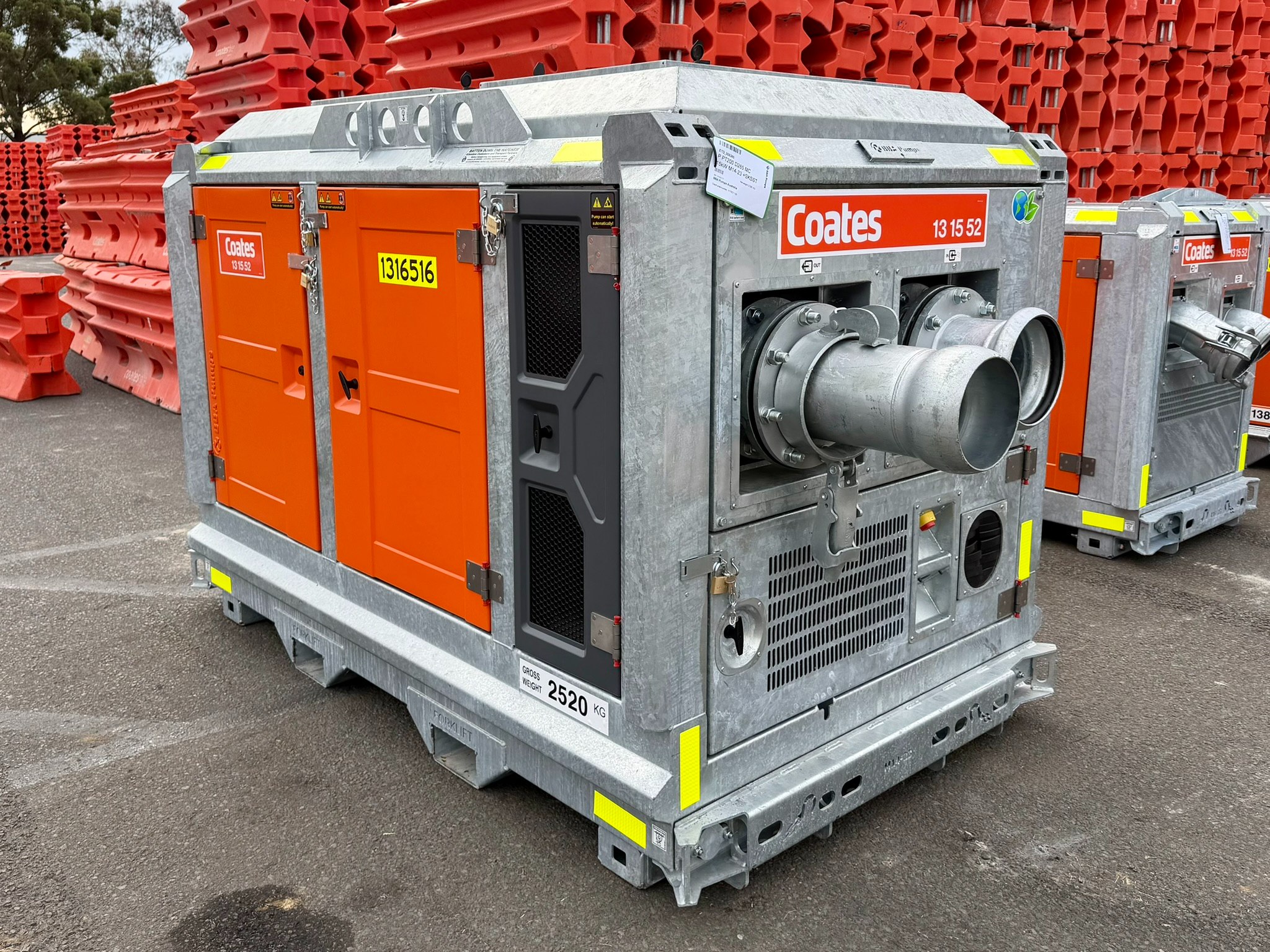
    Coates’ new electric dewatering fleet: design implications for urban geotechnical works

    July 24, 2026|

    Reviewed by Tom Sullivan

    Coates’ new electric dewatering fleet: design implications for urban geotechnical works

    First reported on Roads & Infrastructure (AU)

    30 Second Briefing

    Coates has expanded its engineered dewatering capability with a new fleet of electric BBA Pumps, including PT200 D265 (8″/200mm), PT150 D185 (6″/150mm) and PT100 D130 (4″/100mm) units for urban construction sites. The electric configuration targets groundwater control on projects from small residential excavations to complex basements, water assets and civil infrastructure in dense urban areas where diesel emissions, noise and access constraints are critical. For geotechnical and civil contractors, the range allows closer-to-face installation and longer runtimes on grid power, simplifying dewatering design and temporary works planning.

    Technical Brief

    • Electric BBA units use dry self-priming centrifugal pump technology with vacuum-assisted priming.
    • Enclosed electric motors remove on-site diesel storage, refuelling logistics and associated spill risks.
    • Noise emissions are substantially lower than comparable diesel-driven sets, aiding compliance with urban noise limits.
    • Zero exhaust at point-of-use allows positioning pumps within partially enclosed shafts or basements.
    • Electric drives enable precise variable-speed control, matching inflow rates and reducing unnecessary drawdown.
    • Long cable runs from grid or temporary power allow pumps to sit closer to excavation faces.
    • Reduced mechanical complexity versus diesel engines can cut routine maintenance windows and unplanned downtime.

    Our Take

    Coates appears repeatedly in our database for temporary power and hybrid systems in Australia, so adding electric PT100–PT200 class dewatering units positions it to offer fully electrified site setups rather than just swapping out diesel pumps piecemeal.

    The 4–8 inch BBA electric pump sizes align with common trench, shaft and basement dewatering envelopes on dense urban worksites, which suggests Coates is targeting high‑utilisation, short‑to‑medium term rentals rather than niche large‑diameter groundwater control schemes.

    In related coverage, Coates has been doubling its fleet of 750–1250 kVA containerised generators; pairing those with electric dewatering in Australian cities gives contractors a practical bridge solution where grid capacity or connection timing would otherwise block diesel‑free site operations.

    Geotechnical Software for Modern Teams

    Centralise site data, logs, and lab results with GEODB-io, CMRR-io, and HYDROGEO-io.

    No credit card required.

    • Save and export unlimited calculations
    • Advanced data visualisation
    • Generate professional PDF reports
    • Cloud storage for all your projects

    Prepared by collating external sources, AI-assisted tools, and Geomechanics.io’s proprietary mining database, then reviewed for technical accuracy & edited by our geotechnical team.

    Related Articles
    Growing foundations reuse: investigation, reliability and carbon lessons for engineers
    Geotechnical
    2 days ago

    Growing foundations reuse: investigation, reliability and carbon lessons for engineers

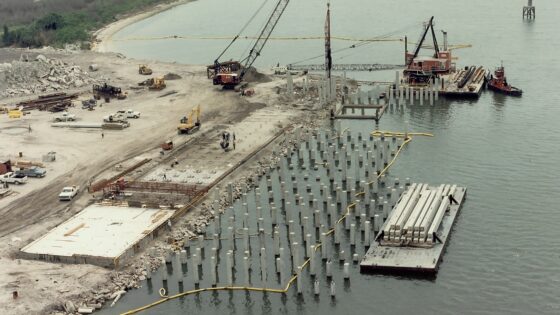
    Reuse of existing piled and raft foundations is accelerating on commercial property schemes as clients accept higher investigation spend in exchange for major embodied carbon and programme savings. Engineers are combining detailed pile integrity testing, targeted coring and advanced geotechnical back‑analysis with updated Eurocode‑based reliability methods to justify reusing legacy foundations originally designed for very different load cases. Planning and funding bodies are now more willing to accept partial reuse strategies, shifting project briefs away from default demolition and full replacement towards selective strengthening, load‑sharing and local pile augmentation.

    Chalk foundations in the UK: investigation and design lessons for engineers
    Geotechnical
    3 days ago

    Chalk foundations in the UK: investigation and design lessons for engineers

    Industry geotechnical specialists at the John Mitchell lecture warned that UK foundation design on chalk is still misjudging key behaviours such as solution features, variable weathering profiles and the risk of brittle collapse under cyclic loading. Speakers pointed to recent pile and shallow foundation projects where inadequate chalk characterisation, limited core recovery and over-reliance on generic SPT correlations led to unexpected settlements and construction delays. Attendees were urged to adopt more rigorous chalk-specific investigation, including targeted boreholes, high-quality sampling and site-specific load testing, before finalising foundation schemes.

    Network Rail £41M North West earthworks: design and risk notes for geotechnical teams
    Geotechnical
    3 days ago

    Network Rail £41M North West earthworks: design and risk notes for geotechnical teams

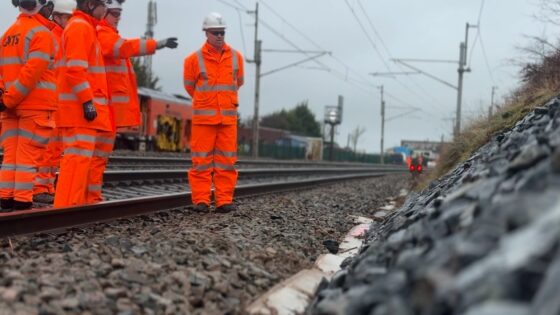
    Network Rail is delivering £41M of earthworks across key North West rail corridors to improve cuttings and embankments against winter rainfall, freeze–thaw and slope instability. Works are expected to include regrading and strengthening of existing earthwork assets, improved drainage systems and renewed trackside access to reduce washouts, slips and emergency speed restrictions. Geotechnical teams will need to manage construction around live traffic, legacy Victorian earth structures and variable ground conditions typical of the region’s glacial tills and weathered rock.

    Related Industries & Products

    Construction

    Quality control software for construction companies with material testing, batch tracking, and compliance management.

    Mining

    Geotechnical software solutions for mining operations including CMRR analysis, hydrogeological testing, and data management.

    QCDB-io

    Comprehensive quality control database for manufacturing, tunnelling, and civil construction with UCS testing, PSD analysis, and grout mix design management.