Geomechanics, Streamlined.
© 2026 Geomechanics.io. All rights reserved.
50 articles tagged with Product
Accenture has launched Accenture Construct, a global business combining its capital projects advisory, engineering, project delivery and technology services to support large, complex infrastructure and mining developments. The unit consolidates a capital projects practice that has grown fourfold in three years, targeting fragmented delivery across EPCM contracts, multi-vendor digital systems and dispersed project controls. For mine owners, the move signals more integrated support for mega-project planning, schedule and cost control, and data-driven optimisation across the full asset lifecycle.
WindowMaster and Fieger have agreed a façade partnership that combines EN 12101-2 tested smoke extraction and natural/hybrid ventilation into a single, integrated louvre-window system planned from the first design meeting. The deal gives WindowMaster exclusive sales rights for Fieger louvre solutions in the UK, Ireland, Nordics, Baltic states and North America, with non-exclusive rights in Germany, Switzerland and France, targeting major façade markets. For high-rises, multi-storey stairwells, atriums and public buildings, one façade opening now provides both everyday comfort ventilation and automatic smoke and heat exhaust linked to detectors and fire panels.
Accenture has launched Accenture Construct, a global owner-side capital projects business led by CEO Adam J. Shaw, uniting more than 5,000 practitioners across the Americas, EMEA and APAC and integrating specialist acquisitions such as Anser Advisory (US), Soben (UK), BOSLAN and Alfa Consulting (Spain). Targeting AI data centres, energy transition assets and long-life infrastructure like airports, rail and power grids, the unit addresses a $260bn market forecast to reach $348bn by 2030. The offer centres on a single project data foundation to give owners one accountable partner and a unified operational view across fragmented delivery teams.
Geopolitical and economic uncertainty is pushing 61% of construction businesses to increase their commitment to innovation, according to Ayming’s International Innovation Barometer 2027. The survey points to firms prioritising digital tools, new construction materials and process optimisation to manage cost volatility and supply chain disruption. For civil and infrastructure engineers, this signals stronger client appetite for technologies such as BIM-based design coordination, offsite fabrication and alternative material specifications to de-risk programme and budget.
Geoscience Australia has released the Green Iron StoryMap, an interactive tool within the Digital Atlas of Australia that layers iron ore deposits, renewable energy zones, existing rail and port corridors, and water resources to map green iron potential. Users can interrogate spatial data on proximity of high‑grade ore bodies to wind and solar resources, transmission lines and gas pipelines, helping screen locations for hydrogen‑based direct reduction or electrified pelletising. For miners and infrastructure planners, it offers a first‑pass, national‑scale view of where integrated green iron hubs could be technically viable.
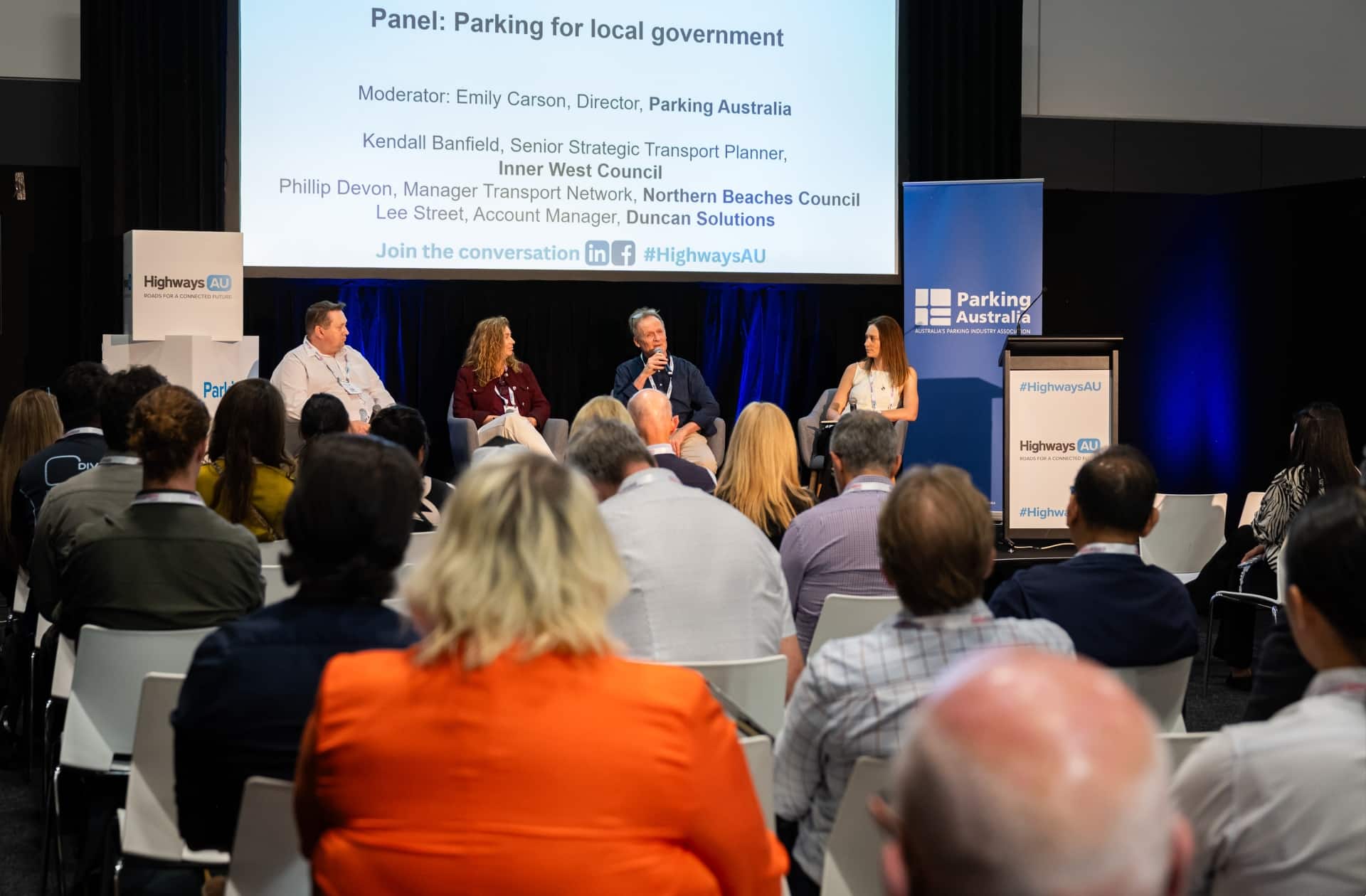
Roads & Traffic AU 2026 will convene in Sydney’s International Convention Centre on 14–15 October, bringing together government, engineers, contractors and technology suppliers to tackle Australia’s next wave of road and transport investment. The conference program is split into seven technical tracks, each focused on a specific pressure point such as project delivery, procurement, traffic management, digital systems, and asset operations. For practitioners, the event signals where agencies and Tier 1s are likely to steer specifications, procurement models and technology adoption over the next programme cycle.
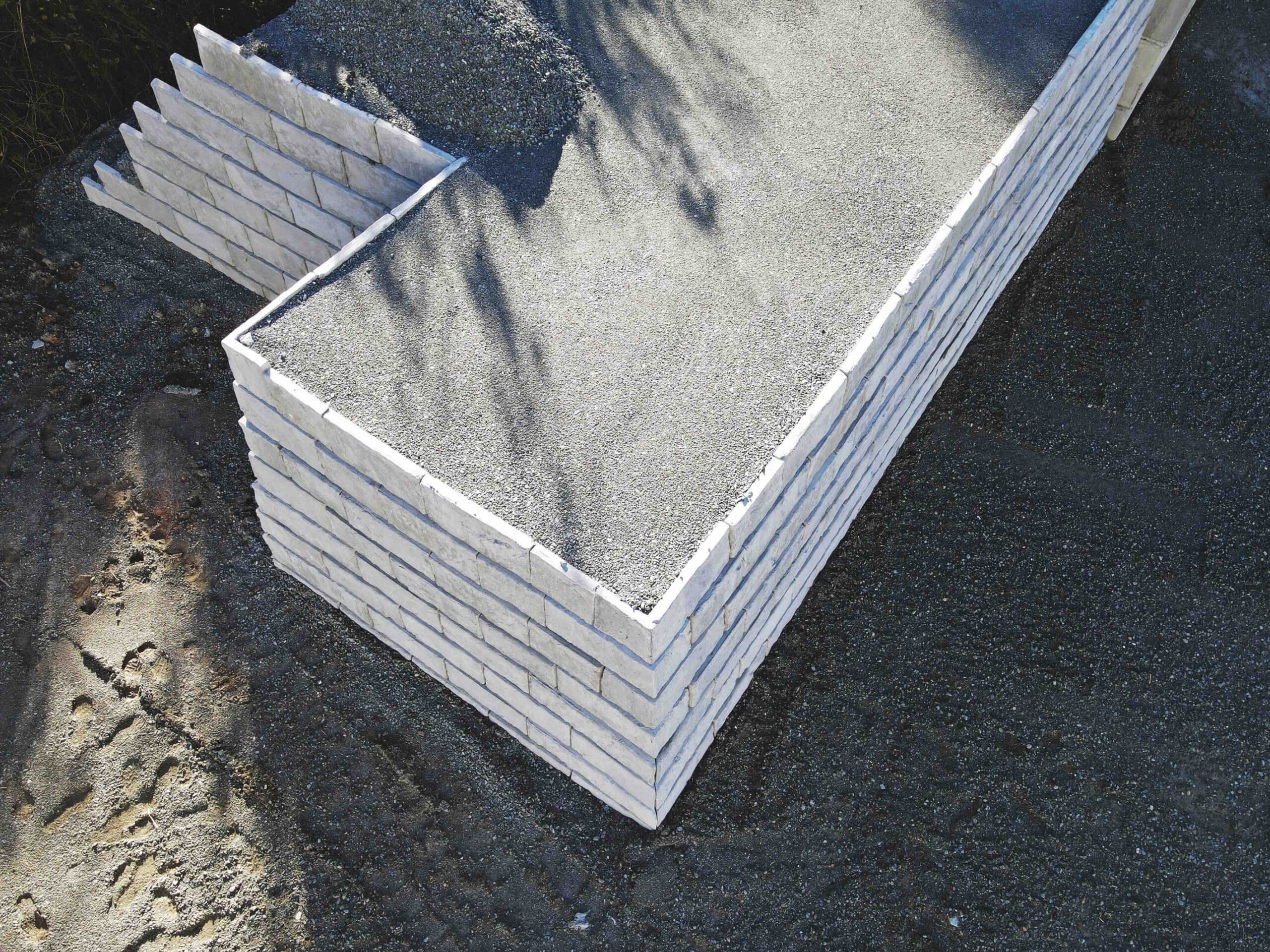
Geoquest Australia has launched TerraStack, a modular precast concrete retaining wall system engineered for Australian and New Zealand conditions and already applied on major transport projects including Cross River Rail, West Gate Tunnel and Sydney Gateway. The system uses stacked, interlocking units to form gravity or reinforced soil walls, enabling rapid installation with standard lifting equipment and minimising on-site formwork. For designers and contractors, TerraStack offers a repeatable solution for cuttings, bridge abutments and approach embankments where tight footprints and staged construction are critical.
Barrick’s North American business has selected Avathon’s Physical AI Autonomy Platform as a strategic layer to connect data, operational knowledge and AI models across its mining value chain. The deployment will span exploration, mine planning, safety, production, processing and maintenance, creating a single environment for ingesting sensor data, operational KPIs and engineering rules. For mine operators and engineers, this signals a push towards integrated decision support, where planning, plant control and asset health monitoring are driven from one AI-enabled operational backbone rather than siloed systems.
Tonly Heavy Industries has delivered a fleet of 75 t-class TLE120 battery electric wide-body dump trucks to the Baiyan open-pit mining area of Wengfu Phosphate Mine in Guizhou Province, China. The trucks will operate on short-haul, high-frequency phosphate ore routes at the boundary of Weng’an County and Fuquan City, where haul profiles and predictable duty cycles favour battery swapping and regenerative braking. For mine planners and haulage engineers, the deployment signals growing Chinese adoption of large battery-electric trucks in high-volume open-pit phosphate operations.
Jevons Robotics has launched the ARTEV1000 Pre-Split System, a battery-electric robotic platform that automates loading of packaged pre-split explosives on highwalls. The system shifts all explosive loading and deployment equipment handling to remote operation, removing personnel from the highwall face and eliminating manual lifting of explosive packages. For drill-and-blast engineers, this points to tighter control of pre-split geometry and reduced exposure during highwall conditioning, especially on benches where ground conditions or scale make conventional manual loading high risk.
BHP and Amazon have launched an “industry-first” pilot to trade credits linked to lower greenhouse gas emissions from copper concentrate and cathodes produced at Escondida, the world’s largest copper mine in Chile. Escondida already sources 100% of its electricity from renewable power contracts and uses desalinated water for processing, reducing Scope 2 emissions intensity relative to conventional operations. The pilot will test traceable, emissions-differentiated copper units in Amazon’s supply chain, signalling potential future premiums and contract structures for low‑carbon copper in OEM and data centre procurement.
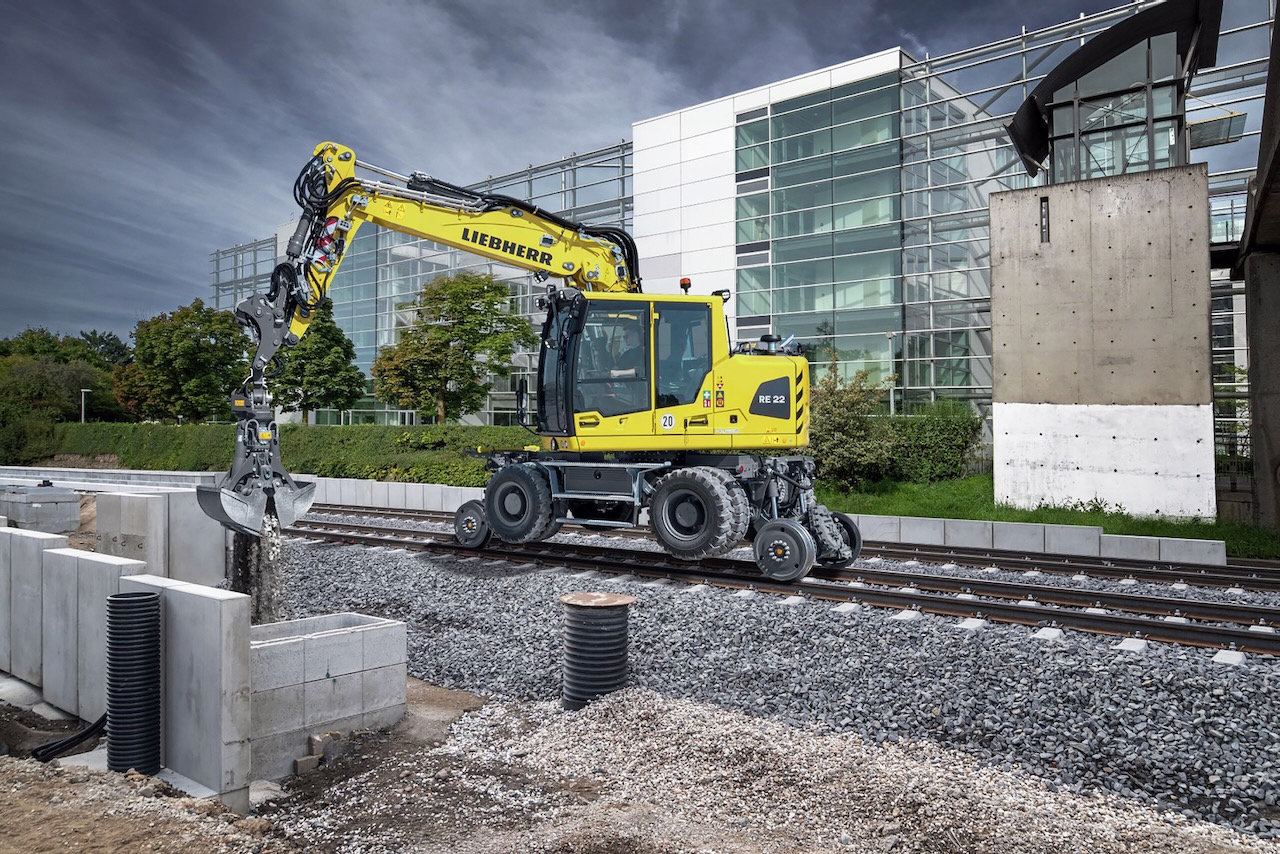
Liebherr is launching the 22‑tonne RE 22 M Litronic rail excavator at InnoTrans, combining a newly developed hydrostatic rail-wheel undercarriage with the 120 kW engine from the A 922 Rail and a standard 2,000 mm rear swing radius (2,110 mm with optional counterweight). The rail axle delivers 50 kN tractive force and, subject to national approvals, allows travel up to 40 km/h on rails and emergency towing up to 60 km/h, with the option to run on road tyres directly on the railhead to reduce track wear. A redesigned dual cab with the INTUSI adaptive operating concept removes the steering-column control panel, improving sightlines and ergonomics, while an optional centre-mounted two-point support system boosts lifting capacity without sacrificing compactness for tight rail possessions.
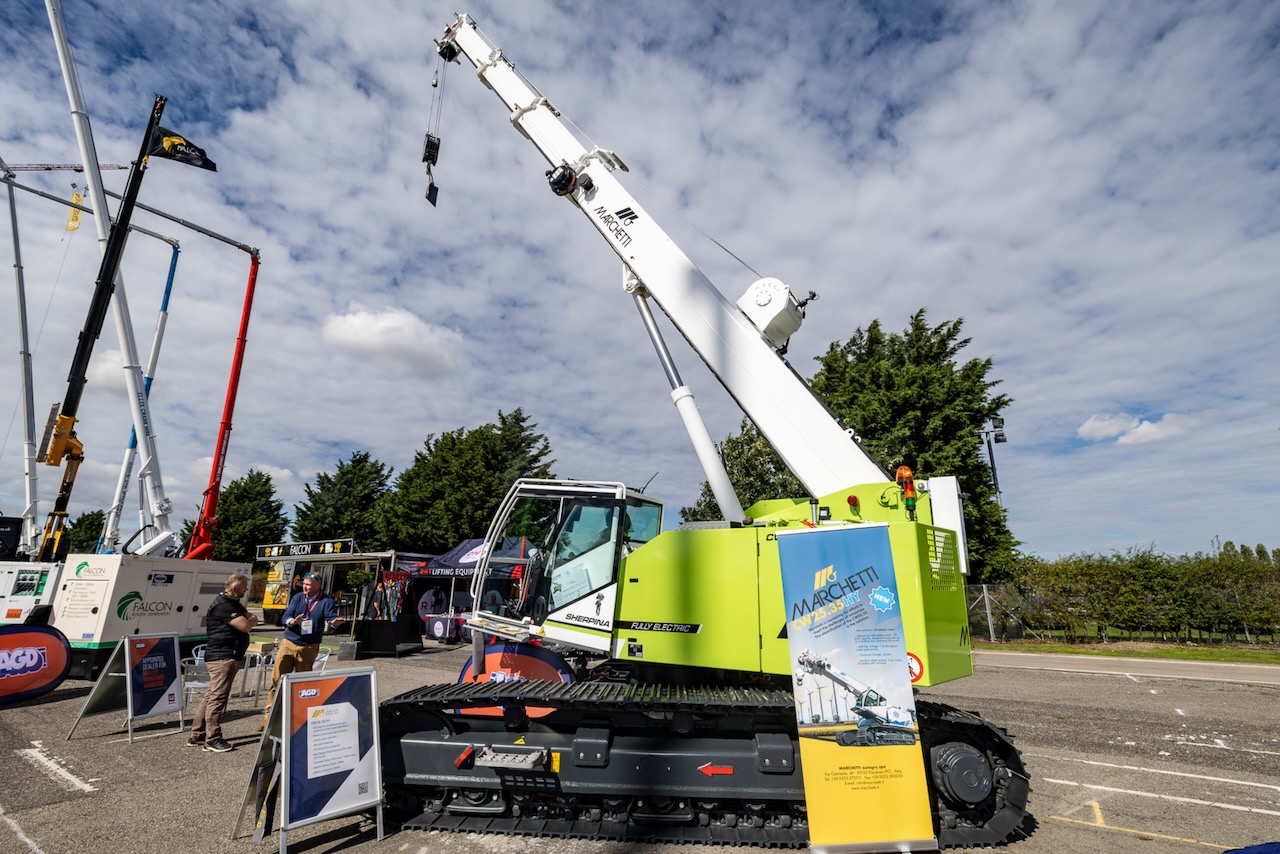
AGD Equipment has introduced the fully electric Marchetti CW23.35 HY compact crawler crane to the UK hire market, offering a 25‑tonne lifting capacity and up to 35m reach with fly‑jib. The machine operates pick‑and‑carry loads up to 17 tonnes, powered by a 210Ah battery and 110kW electric motor, and was first shown at Vertikal Days. With a transport width of 2.5m, it targets constrained urban or industrial sites where emissions limits, access restrictions and tight lifting radii drive crane selection.
Sandvik Australia, New Zealand and Papua New Guinea sales area vice president Craig Johnston says Australia’s highly competitive mining market is driving demand for proven underground loaders and drills backed by strong aftermarket support and expanding digital and automation platforms. Johnston points to mine-wide automation architectures, data-driven fleet optimisation and remote monitoring as priorities, with Sandvik integrating these across existing equipment fleets rather than only new capital projects. For geotechnical and operations teams, the message is tighter linkage between equipment health data, production KPIs and long-term asset planning.
BHP and Amazon have launched a first-of-its-kind pilot linking copper from BHP’s Escondida mine in Chile to Amazon’s data centre and infrastructure demand via Environmental Attribute Certificates (EACs) tied to specific copper concentrate and cathode production. The trial will track and trade EACs that quantify lower greenhouse gas emissions across defined segments of Escondida’s supply chain, rather than relying solely on mine-level averages. For miners and downstream buyers, this tests a mechanism to monetise low-carbon copper at batch level and could influence contract structures, certification, and reporting requirements.
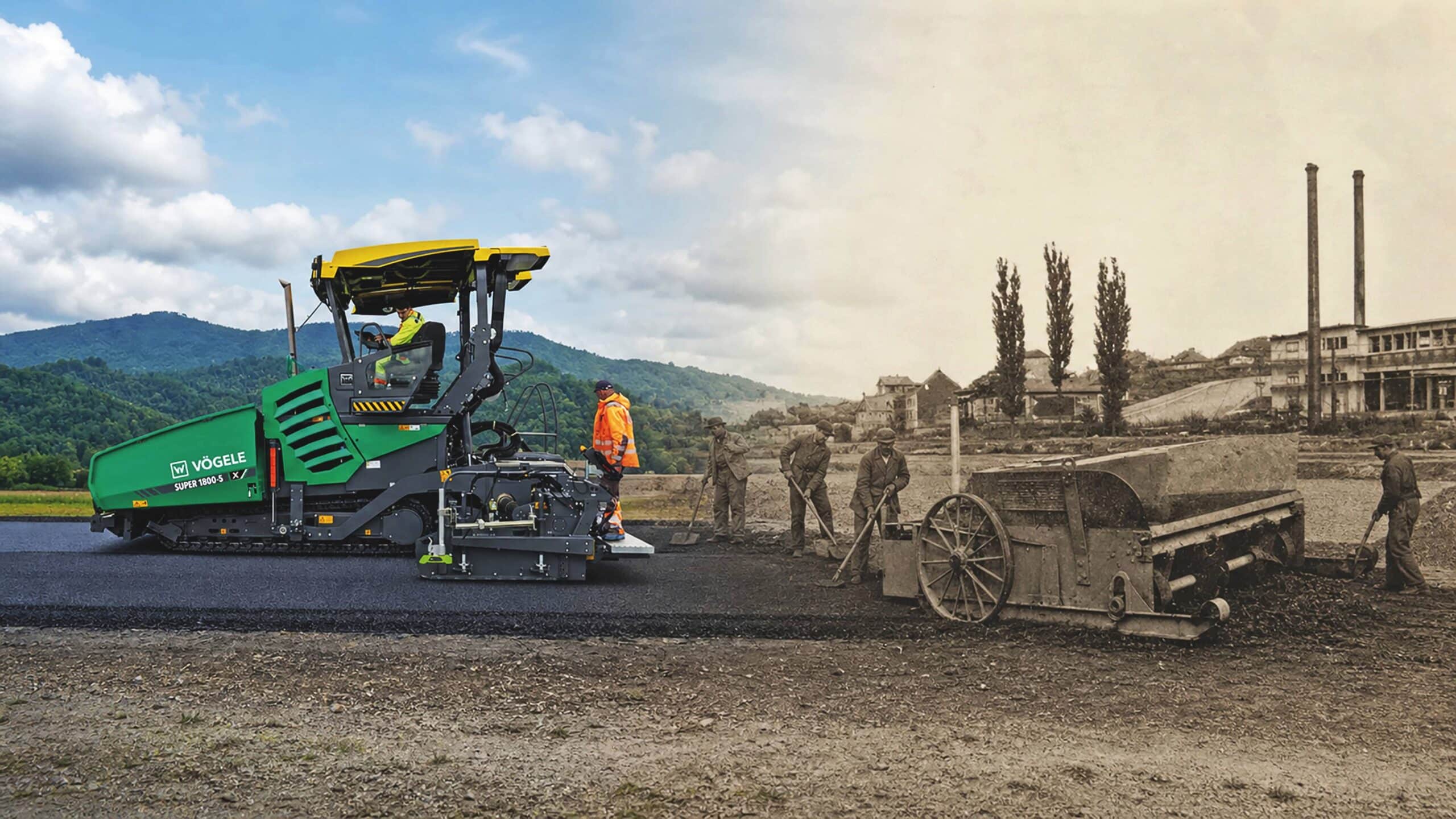
Vögele, the paver specialist within the Wirtgen Group, is marking 190 years of continuous operation, tracing its evolution from early mechanical road-building equipment to today’s sensor-guided asphalt pavers and material feeders. Service Manager Chris Adams notes the brand’s impact in Australia and New Zealand, particularly with high-output highway pavers paired with AB 600 extending screeds for wide-lane construction and tight compaction control. The anniversary reinforces long-term OEM support for fleets relying on integrated levelling systems, grade sensors and telematics-based service across major road and airport projects.
Nth Cycle has signed a binding 10-year offtake term sheet with Glencore worth an estimated $1 billion, securing 100% of black mass feedstock from Glencore’s US shredding network for Project SHIELD, its planned South Carolina battery materials refinery. The deal covers offtake of high-purity mixed hydroxide precipitate (nickel/cobalt MHP) and battery-grade lithium carbonate, and includes assessing an existing Glencore US site to accelerate construction alongside Nth Cycle’s 21,000-square-foot Fairfield, Ohio facility. Both parties will also evaluate deploying Nth Cycle’s portable ‘Oyster’ electrochemical refining system for black mass, copper and rare earth recovery in Europe and globally.
Ok Tedi Mining has commissioned two ArcSAR Neo slope stability monitoring radar systems from IDS GeoRadar at its Papua New Guinea copper-gold operation, becoming the first mine globally to deploy the new platform. The ArcSAR Neo units provide continuous, high-resolution displacement monitoring of pit walls, using arc-scanning radar and advanced processing to detect millimetre-scale movements in real time. For geotechnical teams, the dual-system deployment increases spatial coverage and redundancy for critical slope risk management in a high-rainfall, structurally complex open pit.
BME, an Omnia Holdings company, has developed a Portable Training Unit to give underground blasting and explosives operators realistic, hands-on training rather than relying solely on classroom instruction. The mobile platform is designed to simulate field procedures and equipment handling so mines can build operator competency, reduce misfires and handling errors, and better protect production assets. For geotechnical and production engineers, this points to closer integration of explosives training with ground control plans and asset integrity management.
The Institution of Civil Engineers has launched a mobile careers app to help civil engineering and infrastructure students plan and track their route to professional qualification. The app provides structured guidance on ICE membership grades, IPD and CPD requirements, and routes to EngTech, IEng and CEng, alongside tools to log experience on site placements and design projects. For employers and mentors, it offers a standardised framework for monitoring graduate development against ICE competence statements.
OreNova Engineering is deploying proprietary AI-based design tools to accelerate the definitive feasibility study for Horizon Gold’s Gum Creek project in Western Australia, targeting faster engineering of the mineral processing plant. The Perth-based firm is using automated process modelling and plant layout optimisation to compress design cycles that traditionally take months into weeks, while iterating multiple comminution and gold recovery flowsheets. For project engineers, this points to shorter DFS schedules, earlier capex definition and the ability to rapidly compare alternative plant configurations under varying throughput and ore characteristics.
Metso has signed its largest analyser Life Cycle Services (LCS) agreement to date, a five-year contract with a major South American copper producer covering performance-based support for on-stream analysers. The deal centres on an outcome-based model, with Metso responsible for maintaining analyser availability and measurement accuracy across the concentrator to stabilise grade control and process optimisation. For plant and maintenance engineers, it signals deeper OEM involvement in long-term condition monitoring, remote diagnostics and KPI-linked service for critical assay instrumentation.
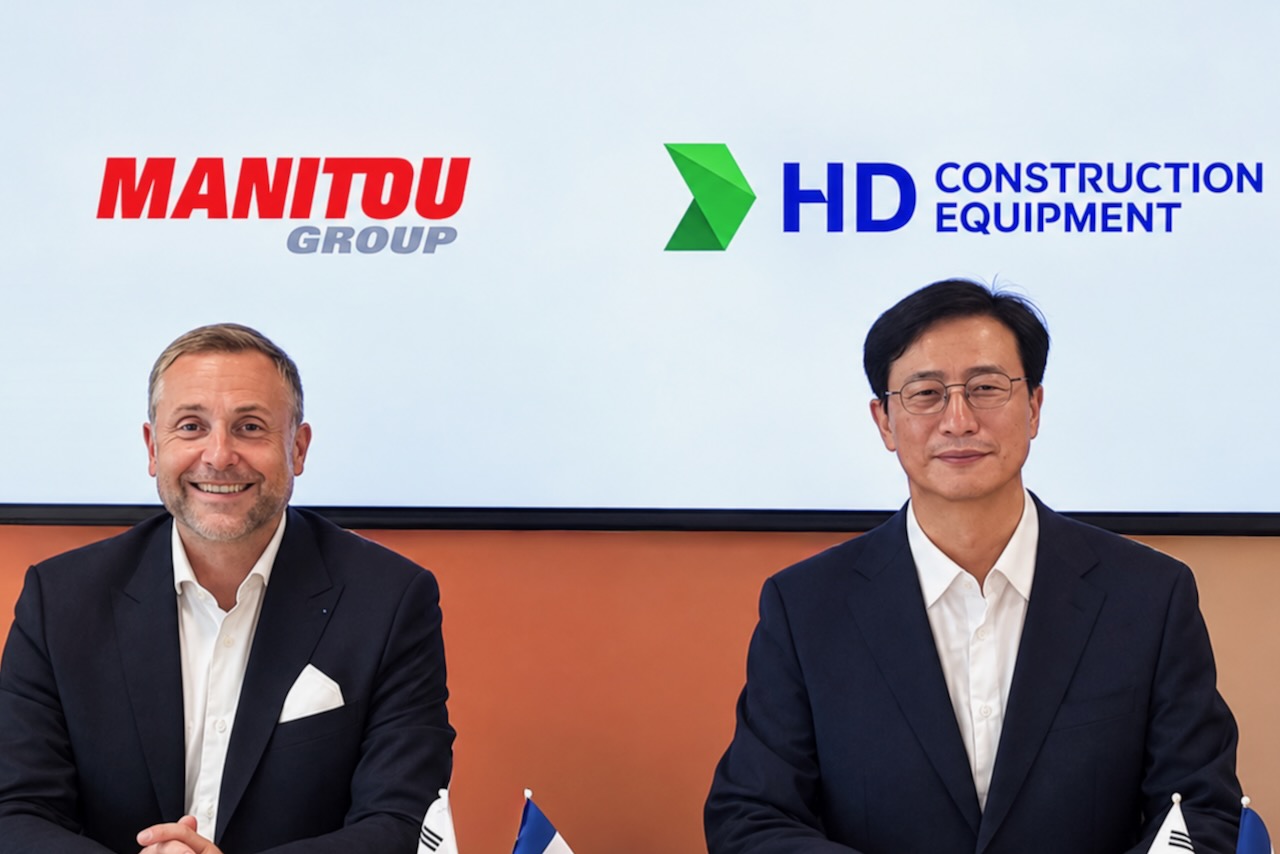
Manitou has entered a cross-distribution partnership with HD Construction Equipment, manufacturer of Hyundai and Develon machines, to add compact excavators, loaders and related equipment to its portfolio. The compact models will be sold globally through Manitou’s existing dealer network under both the Manitou and GEHL brands, targeting rental fleets and small to mid-size contractors. For contractors and plant hirers, the move consolidates access to Korean-built compact kit alongside Manitou’s telehandlers and access platforms through a single supply and service channel.
Continental has opened an In-Company Store inside Vale’s S11D iron ore complex at Canaã dos Carajás, Pará, to supply conveyor belting and related technology directly on site. The facility is intended to shorten response times for high-wear components on S11D’s extensive overland conveyor network, reducing downtime risk on one of the world’s largest truckless mining operations. Embedded support staff will handle belt selection, splicing materials, and condition-based service, tightening integration between Continental’s maintenance expertise and Vale’s production teams.
Argentina’s rapid mining build-out under President Javier Milei, anchored by major copper and lithium projects such as Taca Taca, Los Azules, El Pachón, Josemaría, Rincon and PPG, is triggering new in-country investments by OEMs FLSmidth (FLS) and Sandvik. Both suppliers are opening additional Argentine locations to support large-scale concentrators and leach operations, positioning for long-life copper porphyry and brine projects that will demand high-throughput crushing, grinding and materials handling systems. For engineers, this signals growing local availability of technical services, spares and process optimisation support.
Emerging Chinese mining truck manufacturer Zhejiang Shuanglin Technology has signed a strategic cooperation agreement in Shanghai with autonomous haulage system specialist Beijing TAGE Zhixing Technology (TAGE Idriver) to jointly develop “mine intelligence” solutions. The partnership will integrate Shuanglin’s new-generation electric and hybrid haul trucks with TAGE Idriver’s AHS stack, including autonomous driving, fleet scheduling and vehicle–infrastructure coordination. For mine operators, the move signals another OEM–AHS pairing in China, potentially expanding options for greenfield autonomous fleets and retrofits on existing haul roads.
Sandvik used its Future of Mining 2026 event in Turku to set a new underground electrification strategy built around a “Toro standard” for its battery-electric load and haul fleet. Head of BEV Strategy Tommi Valkonen outlined plans to unify battery systems and controls across Toro-branded loaders and trucks, targeting faster battery swaps and simplified maintenance compared with today’s mixed platforms. The strategy signals tighter integration of BEV hardware, software and charging, with implications for mine power design, fleet standardisation and lifecycle cost modelling.
Omniflex is installing a new wireless telemetry system across the Nkomati nickel plant in South Africa to restore mine-wide monitoring of water and pumping infrastructure as the operation restarts after a R753 million ($46 million) investment. The system replaces legacy Omniflex equipment supplied under previous ownerships and is expected to give centralised visibility of dam levels, boreholes and pump stations over the entire site. For engineers, the upgrade signals renewed focus on remote supervision of dewatering and process water balance ahead of ramp-up.
Liebherr-Australia has opened a new mining training centre in Perth, Western Australia, built around an administrative hub with three dedicated training rooms housing three machine simulators, including a T 264 haul truck unit. The facility is designed for advanced, technology-enabled training for mine operators, maintenance personnel and Liebherr support teams from sites across Australia. For mines running large Liebherr truck and excavator fleets, the centre enables off-site operator upskilling, scenario-based training and reduced in-pit onboarding time.
Proof-of-concept tests have been completed on the UKRI-supported Manufacturer’s Information Hub (MIH), a not-for-profit platform to share structured construction product data across Europe via a standard API. Phase one defined how to connect manufacturer databases, created requirements for a standard data dictionary to validate and present attributes, and set rules to cut complexity and compliance risk around safety and environmental performance. Subject to funding, a small-scale working prototype linking a handful of manufacturers and users is targeted for spring 2027, with full-scale testing through 2027 and initial platform functionality from 2028.
Caravel Minerals has signed a non-binding, non-exclusive MoU with Thiess to develop mining services and support the definitive feasibility study for the Caravel copper project in Western Australia. Thiess will deliver engineering and cost estimates for a proposed full-service mining contract, covering drill and blast, load and haul, and ancillary services. The mine plan under review includes options for autonomous drilling and haulage fleets, signalling potential deployment of large-scale autonomous truck and drill rigs in a greenfield copper operation.
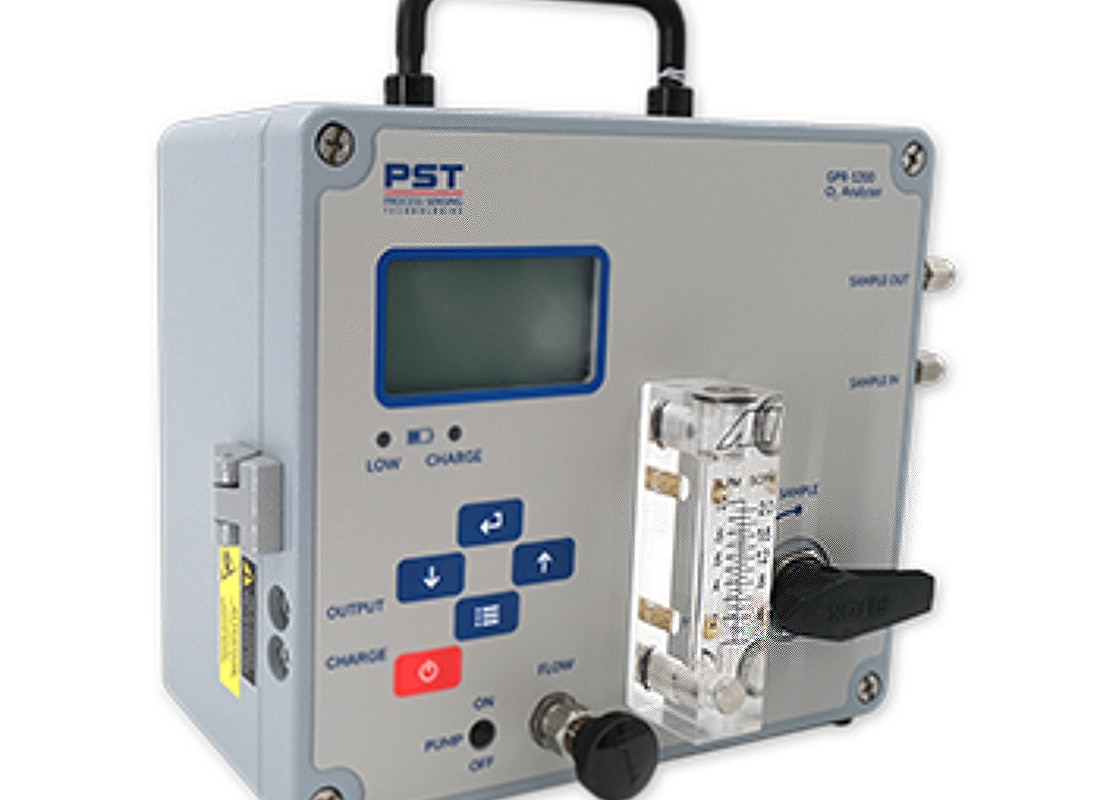
The Analytical Industries Inc. GPR-3500 Portable Purity Oxygen Analyser is a battery-powered unit for field and plant verification of enriched oxygen streams from 0–100 per cent, with selectable high-purity ranges such as 90–100 per cent O₂. Designed for portable use around gas plants, pipelines and on-site storage, it targets purity checks on oxygen-enriched process gas rather than trace-level safety monitoring. For mining operations relying on oxygen for leaching, smelting or cutting, it offers on-the-spot confirmation of gas quality without returning samples to a fixed analyser.
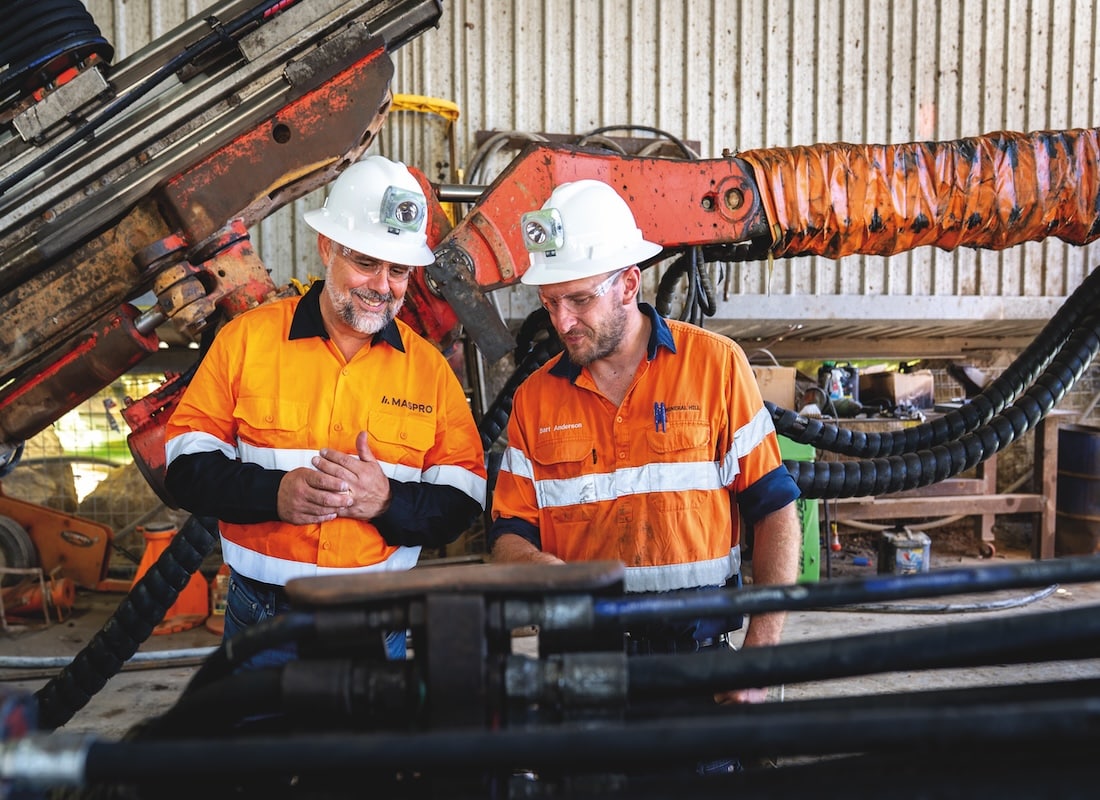
MASPRO is working with underground mines to extend hydraulic cylinder and wear-component life by forensically analysing premature failures that often occur within days in high-load, high-contamination environments. Using teardown inspections, metallurgical assessment and seal and surface finish analysis, the company traces root causes such as side-loading, misalignment, poor lubrication and abrasive ingress rather than accepting short service intervals as “normal”. The approach is feeding back into redesigns of rod eyes, bearing areas and sealing systems, giving maintenance teams data to adjust operating practices and stocking strategies.
Active risk management in Australian mining is shifting towards real-time, technology-driven controls that separate people from heavy plant in shared work zones. New systems from suppliers such as Aptella integrate collision avoidance, proximity detection and geofencing around haul trucks, loaders and autonomous fleets, using on-board sensors and wearable tags to trigger alarms or automatic slow-downs. For geotechnical and operations teams, this means redesigning traffic flows, exclusion zones and training to match digital risk maps, with the aim of making “zero harm” credible rather than aspirational.
BOTON and SimFer, the Rio Tinto-controlled operator of Guinea’s Simandou iron ore project, have signed a long-term intelligent operations support services agreement for the site’s conveyor belts and systems, formalised on 14 September in Wuxi, China. The deal extends BOTON’s role from supplying and installing high-capacity overland conveyor belts to providing ongoing intelligent monitoring, diagnostics and optimisation support. For mine operators, this signals deeper OEM involvement in lifecycle performance of critical bulk-handling infrastructure on one of the world’s largest undeveloped iron ore deposits.
XCMG has broken ground on its first overseas Remanufacturing Centre in Balikpapan, Indonesia, dedicated to overhaul and reman of large mining equipment components such as engines, transmissions and hydraulic systems. The facility is positioned as a localised lifecycle support hub for XCMG haul trucks and excavators operating in Indonesian coal and nickel projects around Kalimantan and beyond, reducing downtime and long-distance shipping for major component rebuilds. For mine operators, this signals tighter OEM support for high-hour fleets and potentially more predictable maintenance planning in the region.
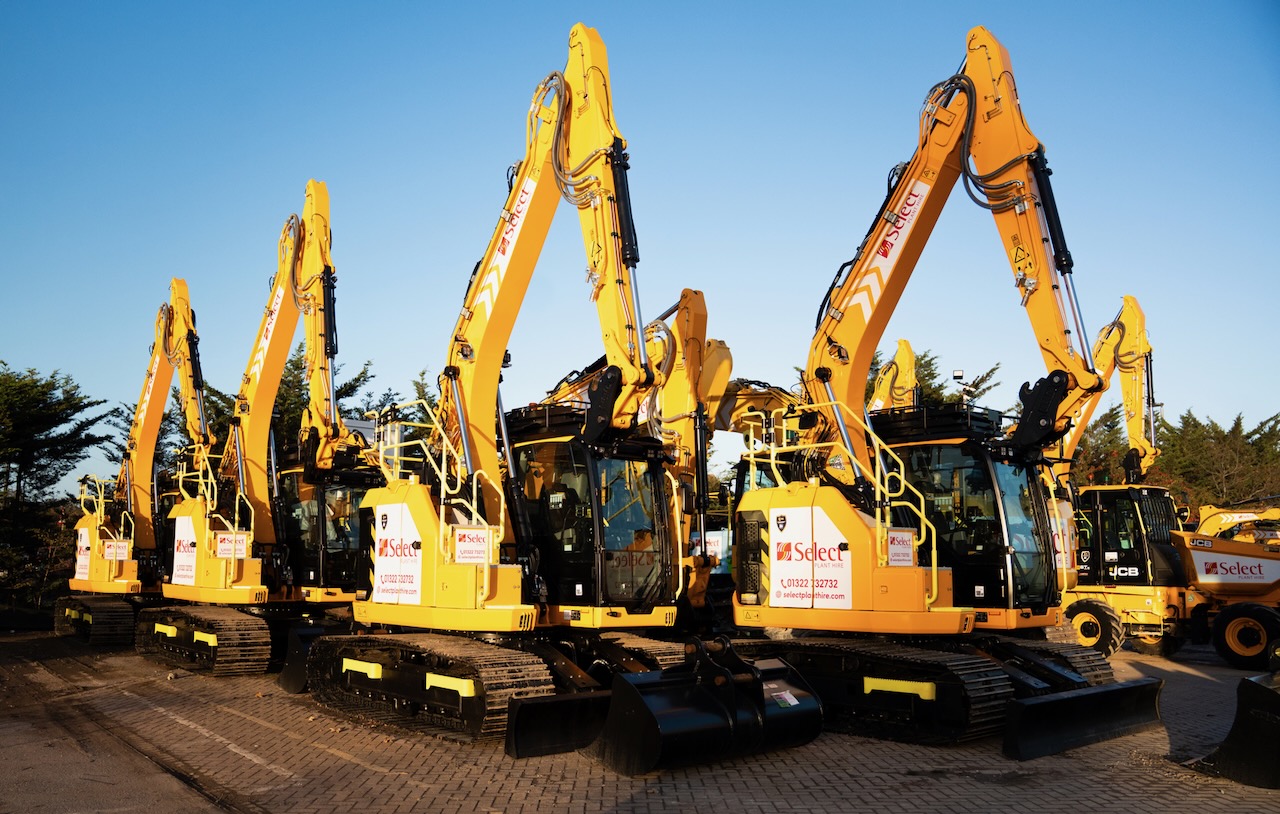
Select Plant Hire is fitting Xwatch XW5 MK2 safety systems to around 30 new JCB machines from its £5m fleet expansion, covering 370X tracked excavators, 245XR and 145XR reduced tailswing excavators, 9‑tonne dual‑drive site dumpers and Loadall telehandlers. The systems provide configurable height and slew limits plus rated capacity indication, allowing rapid adjustment for overhead services, exclusion zones and lifting duties as machines move between very different sites. Xwatch, now part of Hexagon, is also rolling out its XW‑Insite telematics with Select to track location, hours, fuel use, CO2 data, geofencing, faults and safety settings across the mixed fleet.
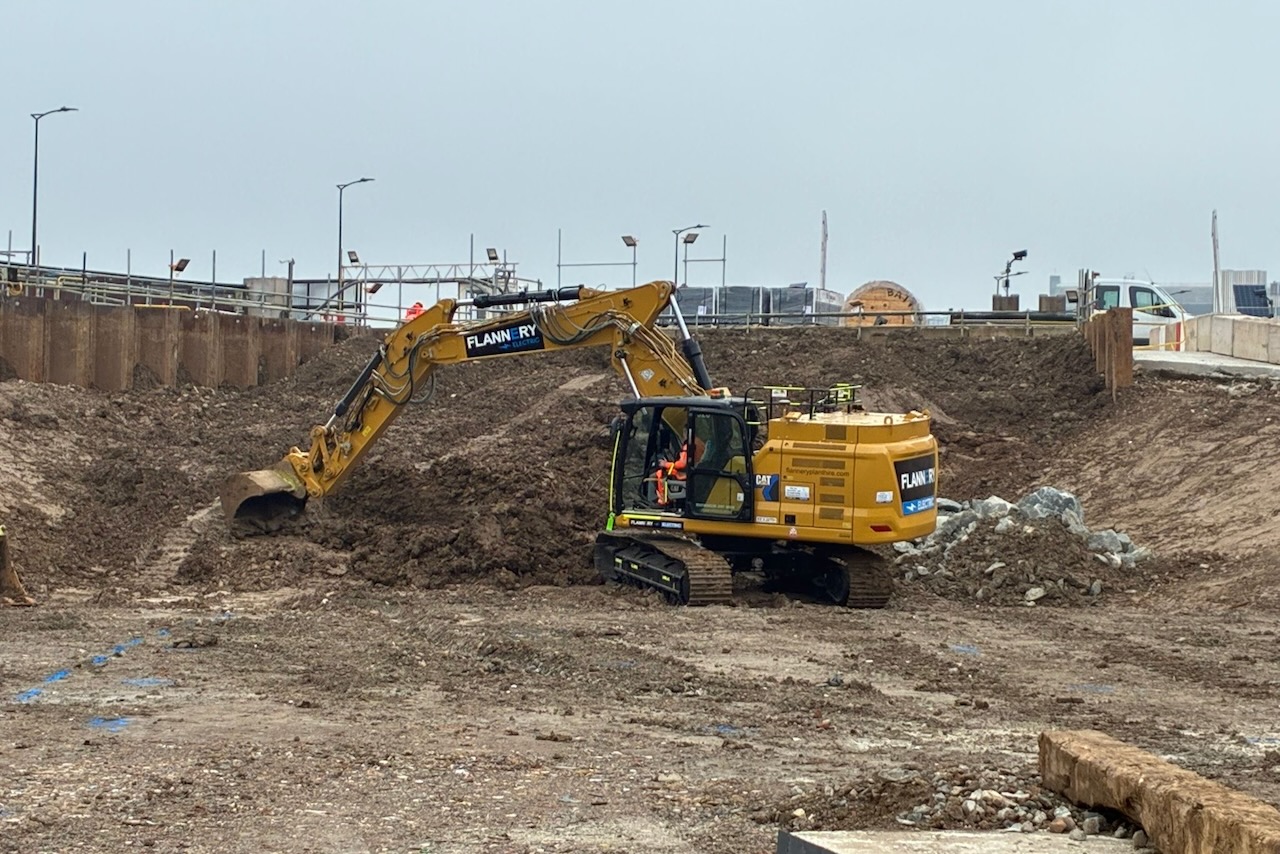
Flannery Plant Hire has put a battery-electric Cat 320 medium excavator, supplied by Finning UK & Ireland, to work on a UK site, with operators reporting like-for-like digging and hydraulic performance compared with diesel units but with lower noise and vibration. Finning ran detailed commissioning support, including electric safety protocols, VisionLink telematics training, and walkaround inspections focused on daily maintenance checkpoints. On-site trials concentrated on charging infrastructure and connection procedures, with operator logbooks and structured feedback used to assess real-world integration and inform Flannery’s wider decarbonisation strategy.
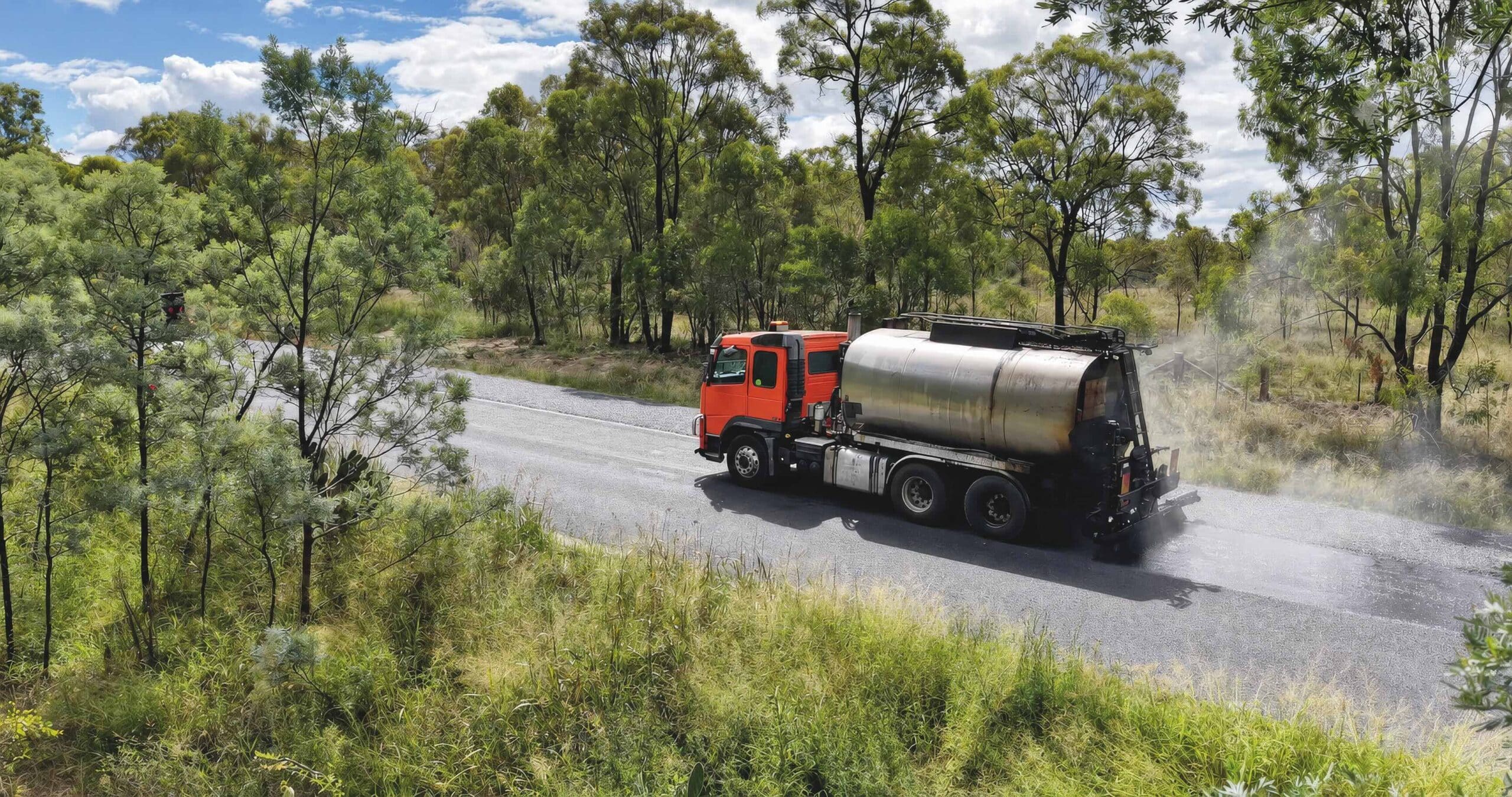
An Australian-first spray seal project delivered by Colas, SAMI Bitumen Technologies and Hutchinson Quarry uses SAMI’s polymer-modified binders and locally sourced aggregates to meet national sustainable procurement guidelines without reducing performance. The seal incorporates higher recycled content and lower embodied carbon materials while maintaining conventional heavy vehicle loading and texture depth requirements for rural arterial roads. For asset owners and contractors, the work shows that guideline-compliant low‑carbon seals can be specified within existing Austroads design frameworks and standard spray equipment.
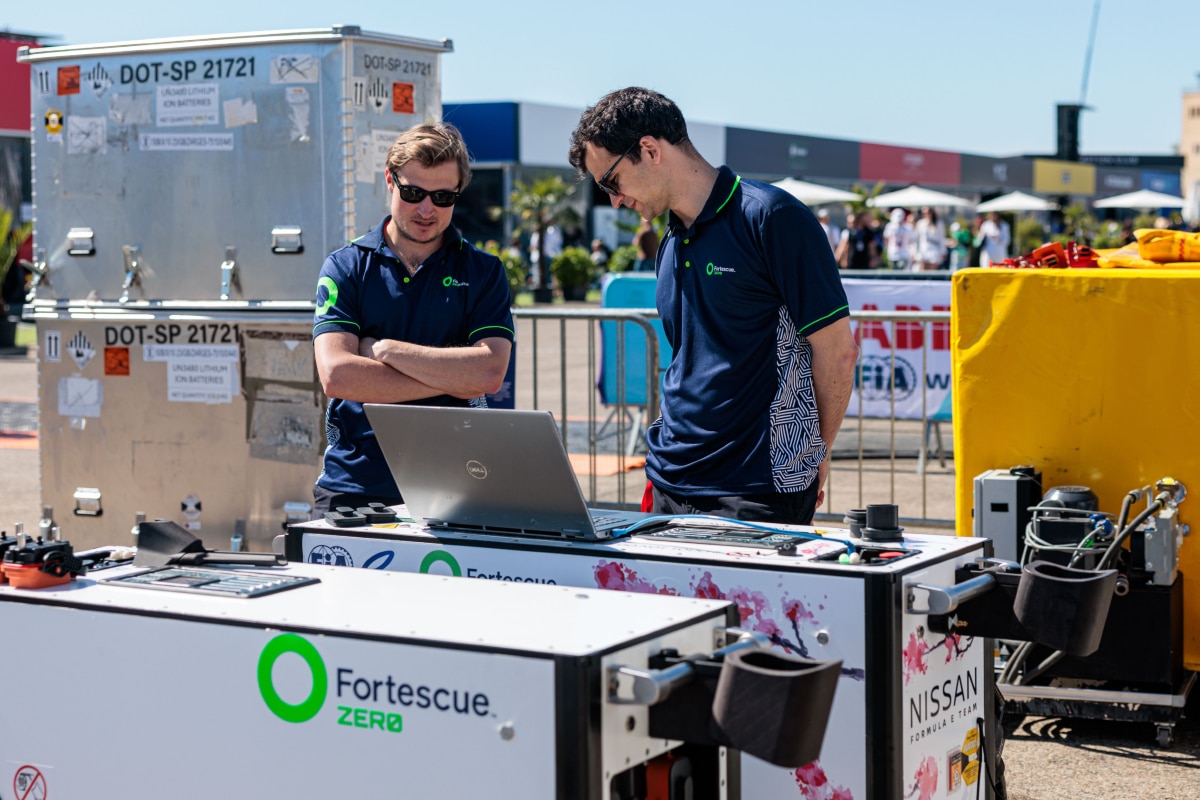
Fortescue Zero has acquired the Penske Formula E operation and launched an electric racing and innovation team aiming to enter the ABB FIA Formula E World Championship from Season 13 (2026–27) as the first Australian-owned outfit. The programme will use Formula E as a development platform for high‑performance battery systems, power electronics and electric drivetrains, with direct relevance to Fortescue’s mining haul trucks, rail and stationary power assets. Engineers should watch for technology transfer in fast‑charge capability, thermal management and energy recovery strategies under race-duty load cycles.
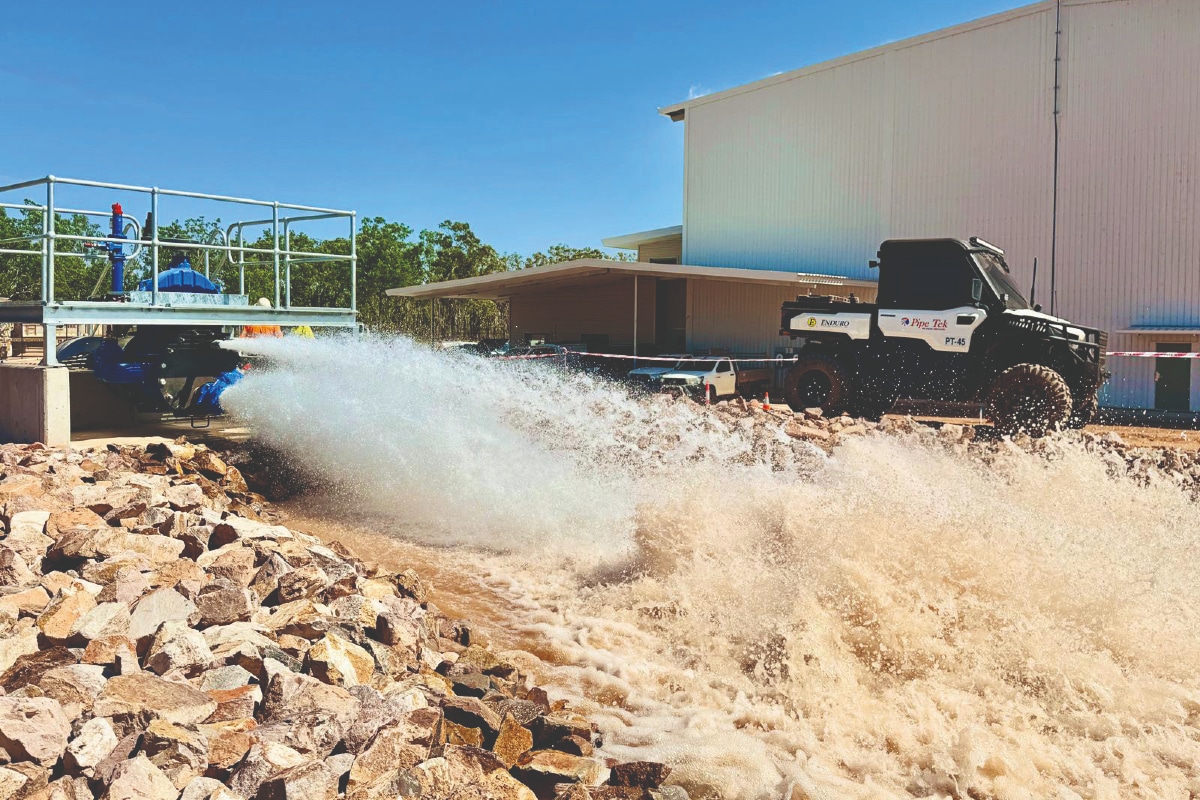
Pipe Tek is winning mining work with a single-contractor, turnkey model that covers slurry and water pipelines from concept design and hydraulic engineering through trenching, welding, pressure testing and commissioning. By keeping construction, flushing, pigging, dewatering and long-term integrity inspections under one contract, the company removes handovers between civil, mechanical and commissioning crews that often delay tie-ins to process plants. For operators, the approach centralises responsibility for wall-thickness selection, corrosion control and condition monitoring, which can simplify failure investigations and life-extension decisions.
IperionX has validated continuous operation of its GenX hydrogen magnesiothermic reduction (HAMR) titanium furnace at its Virginia R&D facility, achieving a sixfold increase in throughput and a 75% cut in energy intensity versus its previous batch process. The commercial-scale system processed over 500 kg of recycled titanium powder in four continuous runs over 41 hours at roughly 12 kg/h, with all samples meeting oxygen specifications and showing substantially lower magnesium, hydrogen and power consumption at steady state. A second US Army SBIR contract allows project-specific defence orders up to a collective US$99 million, supporting scale-up of domestic titanium powder-to-part capacity in a market that currently has no US titanium sponge production despite aerospace demand above 31,000 t/y.
RIEGL has launched the miniVZ-500 compact 3D LiDAR sensor at INTERGEO 2026 in Munich, targeting industrial automation, process optimisation, and continuous surveillance and monitoring in mining and other heavy industries. The unit combines high measurement rates with precise signal processing and new dynamic scanning modes, allowing flexible control of scan patterns for moving plant, conveyor lines, and stockpile faces. For mine operators, the compact, lightweight form factor and continuous monitoring capability point to tighter process control and earlier detection of structural or operational anomalies.
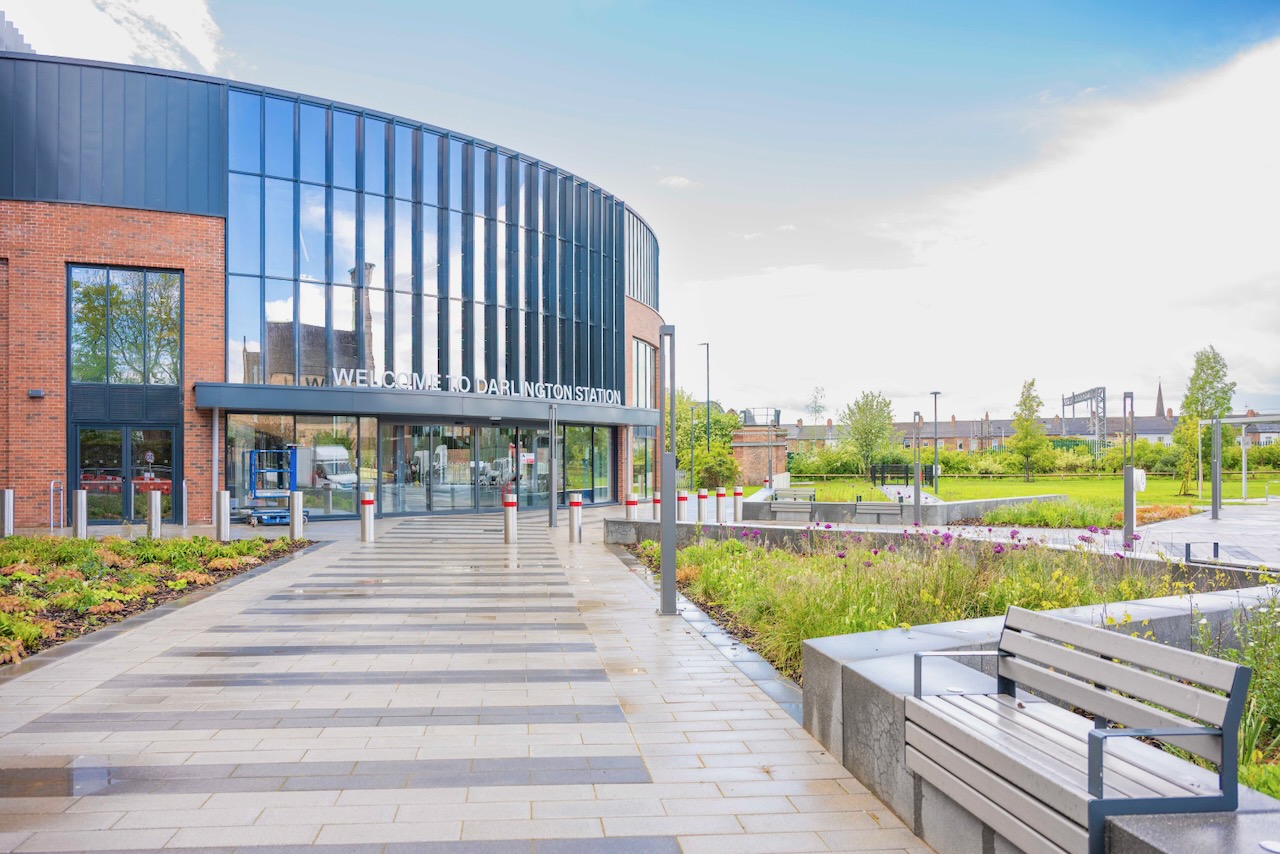
Mapei’s tiling system has been installed over more than 3,000 sq m at Darlington Station by The Tiling Company (Northern) for BAM UK & Ireland, as part of the £140m upgrade that includes two new platforms linked by a 50-tonne footbridge. The build-up used Mapeproof One Coat epoxy DPM, Eco Prim Grip Plus, Ultraplan Renovation Screed 3240 and Mapetex anti-fracture, with tiles fixed using Keralastic, Keraquick Easy S1, Keraquick XL Fibrelite and Keraflex Maxi S1, then grouted with Ultracolor Plus. R11/R12 slip-rated surfaces and EMICODE EC1 Plus low-VOC, CO2e-offset products address heavy footfall, moisture and indoor air quality demands.
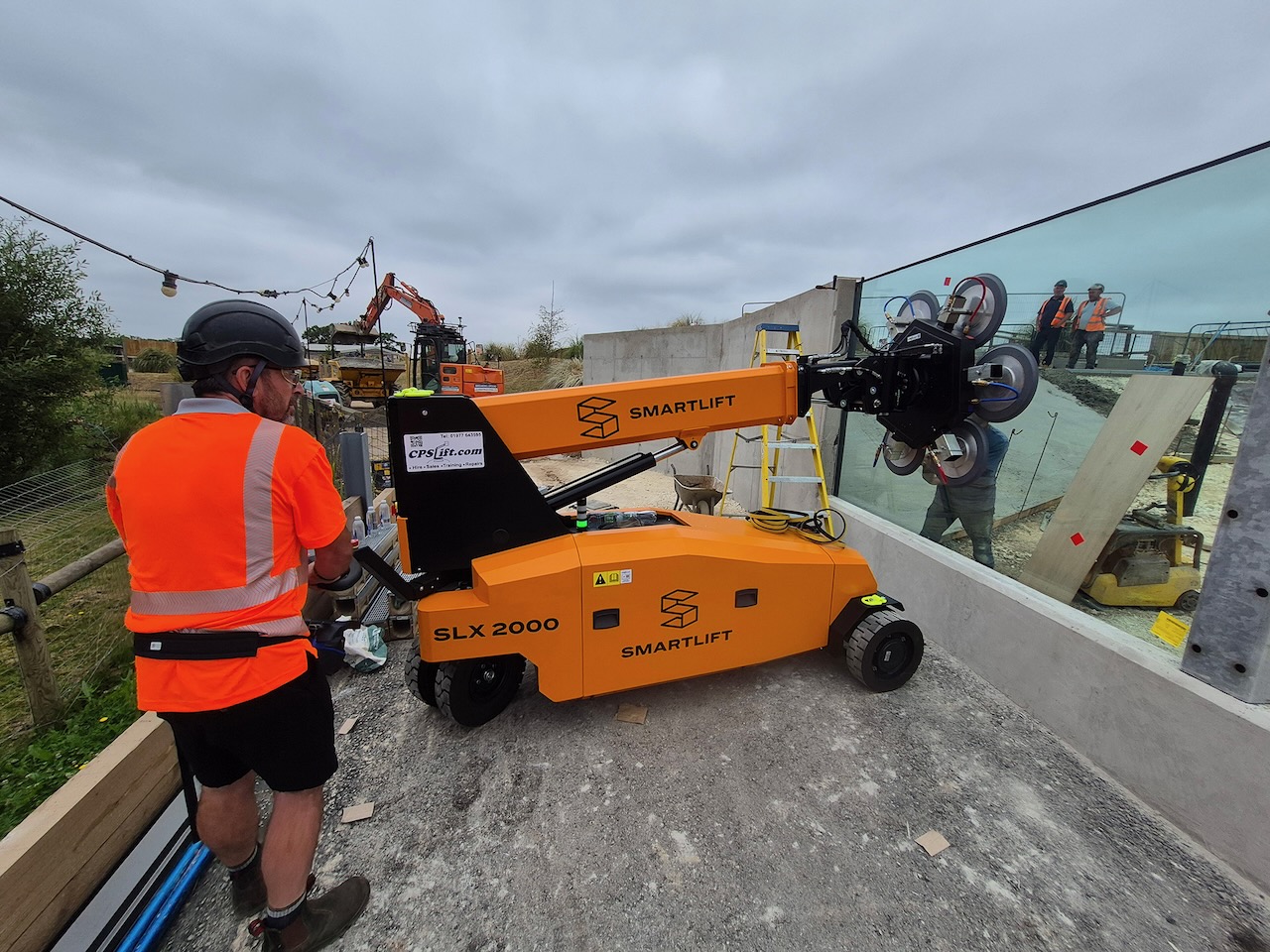
Central Platform Services has used a Smartlift SLX 2000 glazing robot to install 12 structural glass panels, each about 3m x 2m and up to 630kg, at Yorkshire Wildlife Park’s new £1.2m African penguin habitat built by Zooscapes for main contractor Pacy & Wheatley. Over two days, the SLX 2000’s 2,000kg capacity, narrow chassis, power steering and remote control allowed panels to be lifted from stillages, threaded through restricted-access areas and placed over metal framing into recesses with millimetre-scale adjustments. The habitat includes a 552,000-litre pool with rockwork and nesting areas, with glass supplied by Specialist Glass Products in Huddersfield.
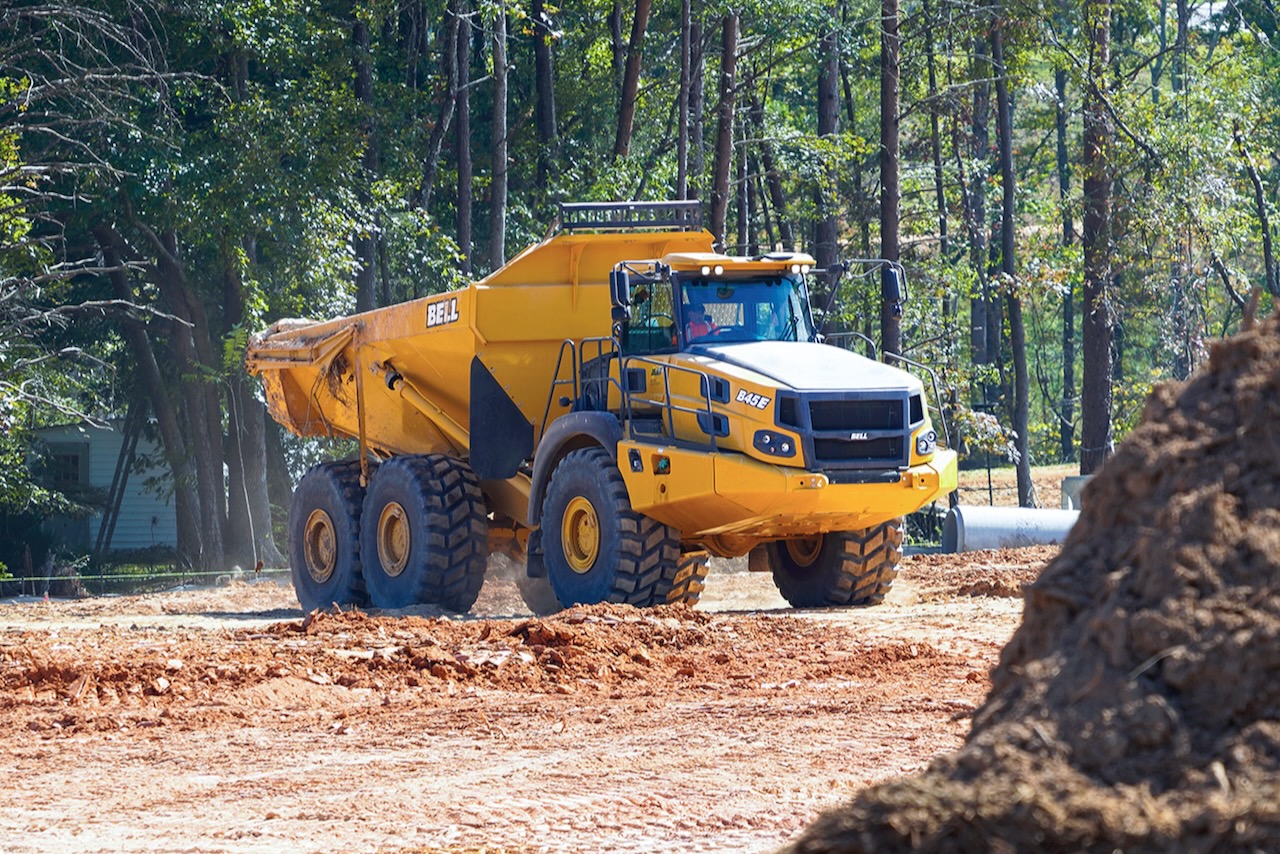
Molson Scotland has been appointed official Bell articulated dump truck dealer for Scotland, supplying models including the Bell B30E ADT from 1 October via service centres at Newhouse and Inverness. The B30E is specified with on-board weighing as standard and remote production monitoring, giving contractors tighter control of payload, haul cycles and cost per tonne on difficult sites. The move extends Molson Group’s existing Bell distribution experience from its US Powerscreen businesses, signalling stronger local support for Bell fleets in Scottish quarrying and earthworks.
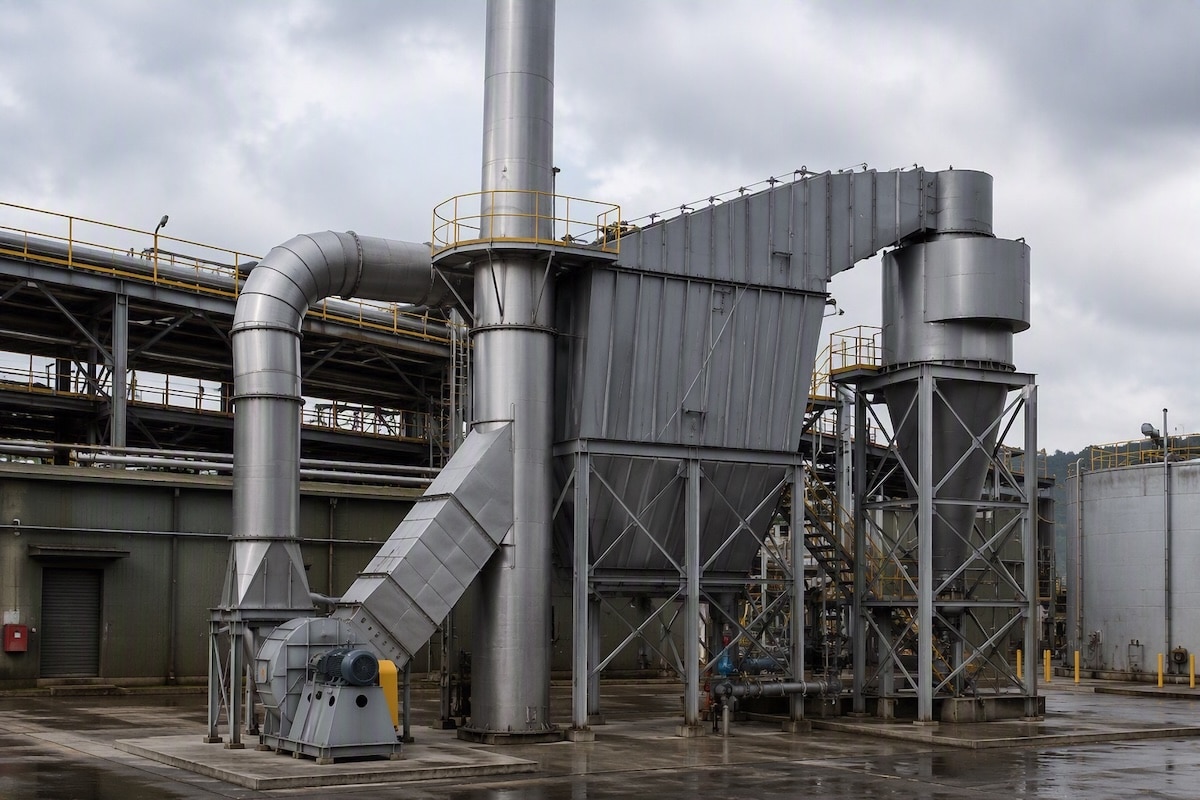
A collaboration between Nederman MikroPul’s Australian and Indonesian engineering teams is building a more integrated global solutions network for dust and fume control in complex mining and minerals processing plants. The cross-border model pairs local site delivery and commissioning experience in Australia and South-East Asia with centralised design standards for large baghouses, filtration systems and materials-handling interfaces. For operators, this points to more consistent performance specifications and lifecycle support on multi-site ventilation and emissions-control projects, especially where plants span multiple jurisdictions.
Syntax has launched its Syntax Maintenance Cost Budgeting tool for mining operators, integrating directly with SAP Cloud ERP to give finance and maintenance teams site-, cost-centre- and asset-level visibility of maintenance expenditure. The system replaces spreadsheet-based workflows with automated data consolidation and predictive budgeting, enabling forward-looking control of major cost drivers such as mobile fleets, fixed plant and critical spares. For engineers, this supports more defensible life-of-mine maintenance plans, tighter cost tracking across multiple operations and faster budget revisions when production or asset strategies change.
Critical Metals plans a $1.85 billion refinery in Romania capable of processing up to 100,000 tonnes per year of eudialyte concentrate from its Tanbreez project in Greenland, using a patent-pending mixed-acid leach that dissolves over 99% of the mineral and recovers 19 ultra-high-purity rare earth and critical metal products. Current modelling forecasts about 27,943 tonnes per year of chloride salts and related products plus 25,670 tonnes per year of high-purity SiO2, with silica by-product revenues alone estimated at roughly $600 million annually. The flowsheet targets tailings of only ~1% of feed and includes production of 50–70 tpa of high-purity hafnium metal and 20–30 tpa hafnium chloride, with projected NPV10 of $4.5 billion, 55% IRR and a two-year payback.
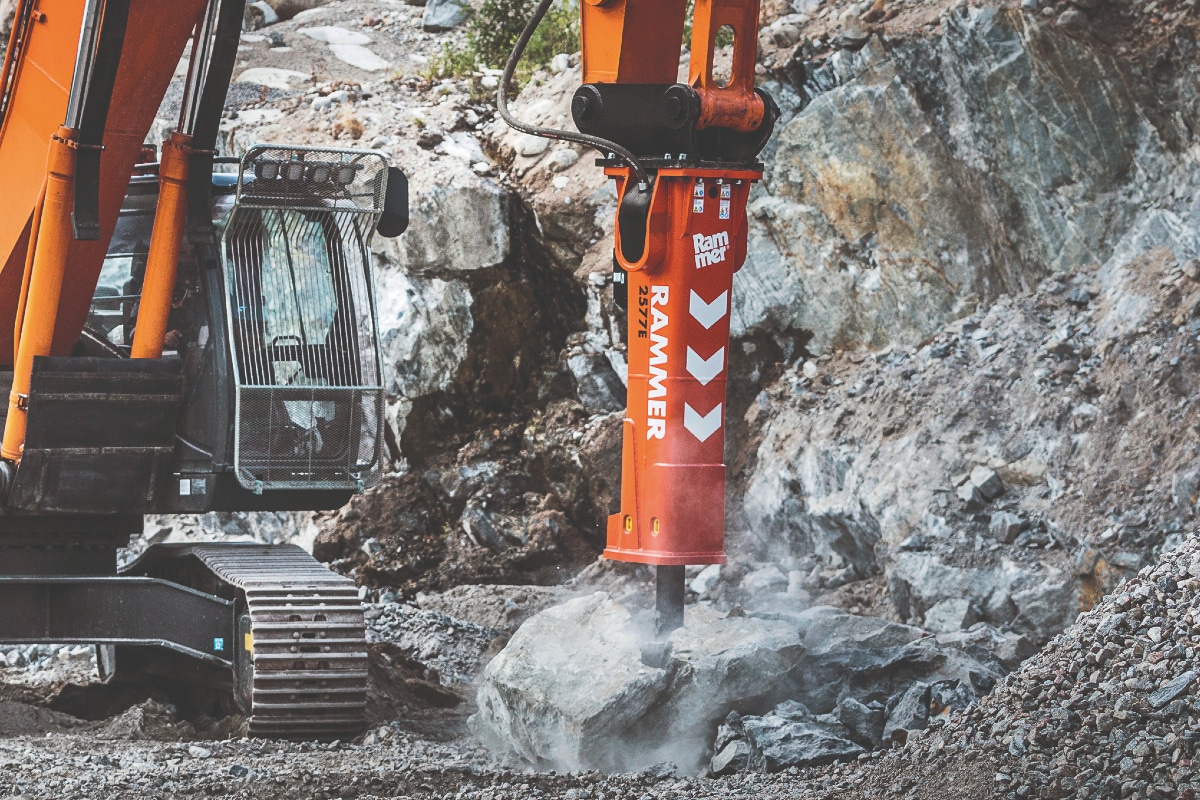
Rammer has launched the E06 compact hydraulic rockbreaker, designed for 4.5–13‑tonne carriers and positioned below its 777E and 9033E units to cut fuel burn and boom and slew bearing wear in mining and quarrying duties. The hammer uses a sealed, high-pressure accumulator and Rammer’s Constant Blow Energy system to maintain impact power under fluctuating oil flow, targeting lower specific fuel consumption per broken tonne. Australian customers are supported through Sandvik’s national dealer network, geared for parts and service on remote mine and quarry sites.