Geomechanics, Streamlined.
© 2026 Geomechanics.io. All rights reserved.
50 articles tagged with Contract Award
Strabag and Group company Züblin have secured the design-and-build structural works for the ABS Gäubahn Nord/Pfaffensteig Tunnel in south-west Germany, centred on an 11km twin-bore rail tunnel linking Stuttgart Airport station directly to the Gäubahn line towards Switzerland. About 9.8km will be driven by two TBMs, with conventional tunnelling for the A8 motorway undercrossing and airport connection, plus a 240m cut-and-cover section, retaining structures, railway underpasses and a grade-separated crossing. A 3km surface section will be upgraded and partially realigned for 200km/h operation, delivered under an integrated project delivery model with Ed. Züblin, Wayss & Freytag and Strabag AG sharing tunnelling, structural and earthworks packages.
Federal funding for New York’s US$16bn Hudson Tunnel Project has been frozen, forcing the Gateway Development Commission to suspend works from 6 February after spending over US$1bn and employing about 1,000 site workers. A Manhattan federal judge has issued a temporary restraining order, giving the administration until 5 p.m. on 12 February to restore reimbursements or appeal, while contractors warn that demobilisation, resequencing and remobilisation will add cost and delay. Sites are now in “safe-pause” mode, with dewatering, ground support and environmental monitoring maintained, and assembly of two Herrenknecht TBMs in New Jersey likely to slip beyond the planned spring 2026 launch without funding certainty.
Two low‑carbon heat network schemes spanning seven London boroughs have secured a combined £53.1M in government funding to expand district-scale, pipe‑fed heating infrastructure. The awards back large‑diameter buried distribution mains, central energy centres and building‑level heat interface units designed to displace individual gas boilers in dense urban housing and mixed‑use stock. For civil and geotechnical teams, the projects signal substantial trenching, utility coordination and shaft works in constrained streets, with long linear workfronts and tight programmes across multiple local authorities.
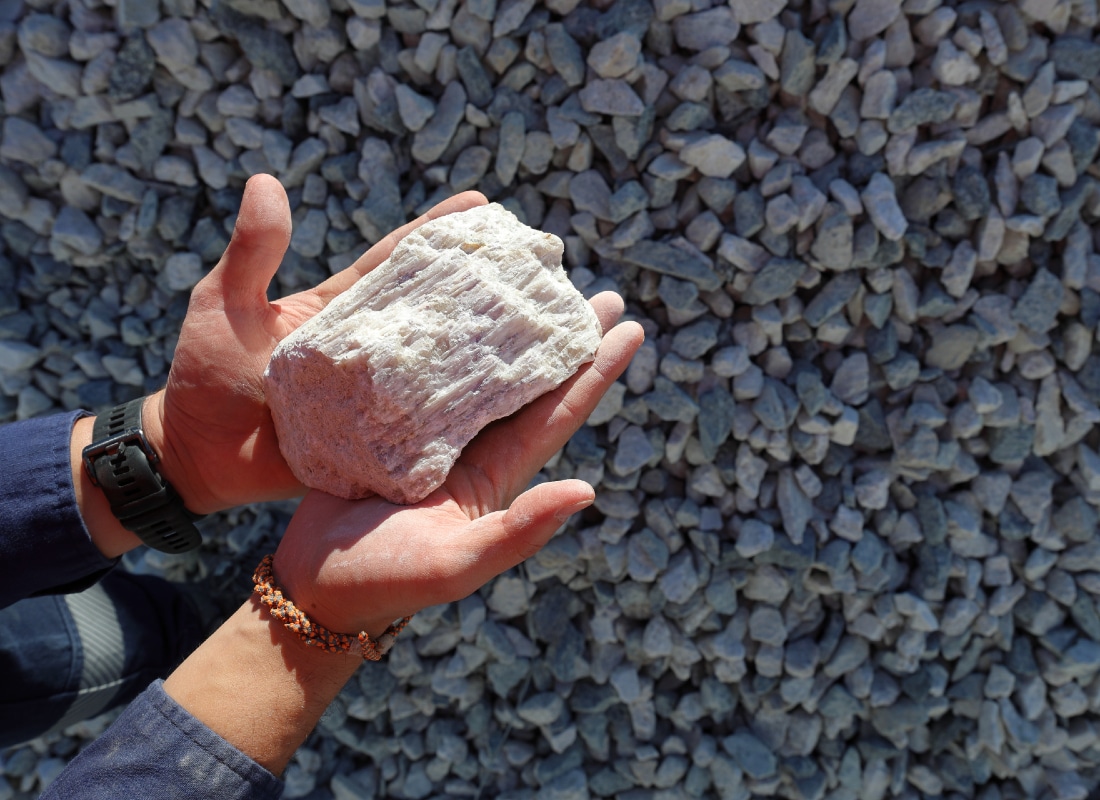
Rainbow Rare Earths has secured an offtake and processing memorandum with Neo Performance Materials covering 40% of Phalaborwa’s separated NdPr oxide and 65% of its mixed SEG+ heavy rare earth carbonate, enabling a prefeasibility study in Q4 and pushing the definitive feasibility study to the first half of 2027. Neo will supply solvent extraction design and technical support, with test work on phosphogypsum-derived feed under way in Estonia and an integrated pilot planned in Johannesburg, de-risking the complex separation of dysprosium, terbium and yttrium. The $326 million project would recover magnet rare earths from legacy fertiliser gypsum stacks, potentially feeding Neo’s Estonian separation and sintered magnet plant and offering a non-Chinese supply route linked to European capacity.
Via East Midlands, the highways arm of Nottinghamshire County Council, is launching early market engagement for a proposed £5M highways maintenance and civil engineering framework covering local roads and associated assets. The framework is expected to bundle routine carriageway and footway works, minor structures, drainage and associated civils into a multi-year arrangement, giving SMEs and regional contractors clearer visibility of work pipelines. Contractors should prepare capability evidence on reactive and planned maintenance, traffic management on constrained local networks, and delivery of small to medium civils packages under framework call-offs.
Barhale has secured a £14.6M contract from Anglian Water to build a twin pumped rising main at Alconbury Weald, Cambridgeshire, increasing wastewater network capacity for planned large-scale development on the former airfield site. The scheme will require parallel pressure pipelines, new pumping infrastructure and tie-ins to the existing foul network, with construction likely to involve trenching through mixed glacial and alluvial deposits and careful management of groundwater and settlement risk. For geotechnical and civils teams, key issues will include pipeline alignment optimisation, surge control, and long-term access for maintenance.
Civil engineering and plant hire contractor John McGeady has bought its 4.3-acre HQ at 1071 South Street, Glasgow, using a £1.5m Bank of Scotland loan, securing a central base for its 56-strong plant fleet and operations across Glasgow, Dumfries and Galloway and wider Scotland. Turnover has climbed from about £900,000 in 2018 to over £20m, with revenues forecast around £30m this year, as typical project values have risen from £150,000 to up to £4m. Headcount has grown from 35 to about 60, with plans to reach 100 within three to five years and potential investment in expanded offices, a recycling facility and a training centre.
Anglian Water’s @one Alliance has awarded Barhale a £14.8m contract to build a 7.5km twin wastewater pipeline, with 400mm, 315mm and 250mm diameters, to serve the 6,200-home Alconbury Weald development and 190,000 sq m of employment space in Cambridgeshire. The line, mainly open-cut around the eastern side of Huntingdon and discharging 144 l/s to Huntingdon Water Recycling Centre, avoids the town centre and crosses mostly agricultural land. Ten HDD drives include 355m-long 630mm sleeves under the East Coast Main Line and 292m-long 400mm sleeves beneath the River Great Ouse, with completion targeted for November 2027.
AIC Mines is moving to acquire the Mt Cuthbert copper project in north-west Queensland via a $120 million deal to purchase 100 per cent of Materra Metals. The transaction comprises $100 million in AIC shares and a $20 million cash component, giving AIC a second operating hub alongside its Eloise copper mine, 60km away. The close proximity of Eloise and Mt Cuthbert suggests potential for shared processing, consolidated infrastructure and regional optimisation of underground and open-pit copper operations.
Core Lithium has restarted mining and processing at its Finniss lithium operation in the Northern Territory, reporting $17.8 million in revenue for the 12 months to 30 June as it transitions out of care and maintenance. The company now targets steady-state production by 2028, backed by a materially stronger cash position after a difficult price environment for spodumene concentrate. For mine planners and process engineers, the restart signals renewed demand for contractor services, drilling, and plant optimisation as Finniss ramps back towards nameplate throughput.
Global Lithium Resources has accepted a $333 million all-cash takeover by Titan Australia Mining via a binding scheme implementation deed, with shareholders to receive $1.15 per share. The offer implies a material premium to Global Lithium’s pre-deal trading price and secures 100 per cent ownership for Titan. For lithium project developers and offtakers, the deal signals continued consolidation in Australian hard-rock lithium assets and a preference for cash-backed transactions over scrip in current market conditions.
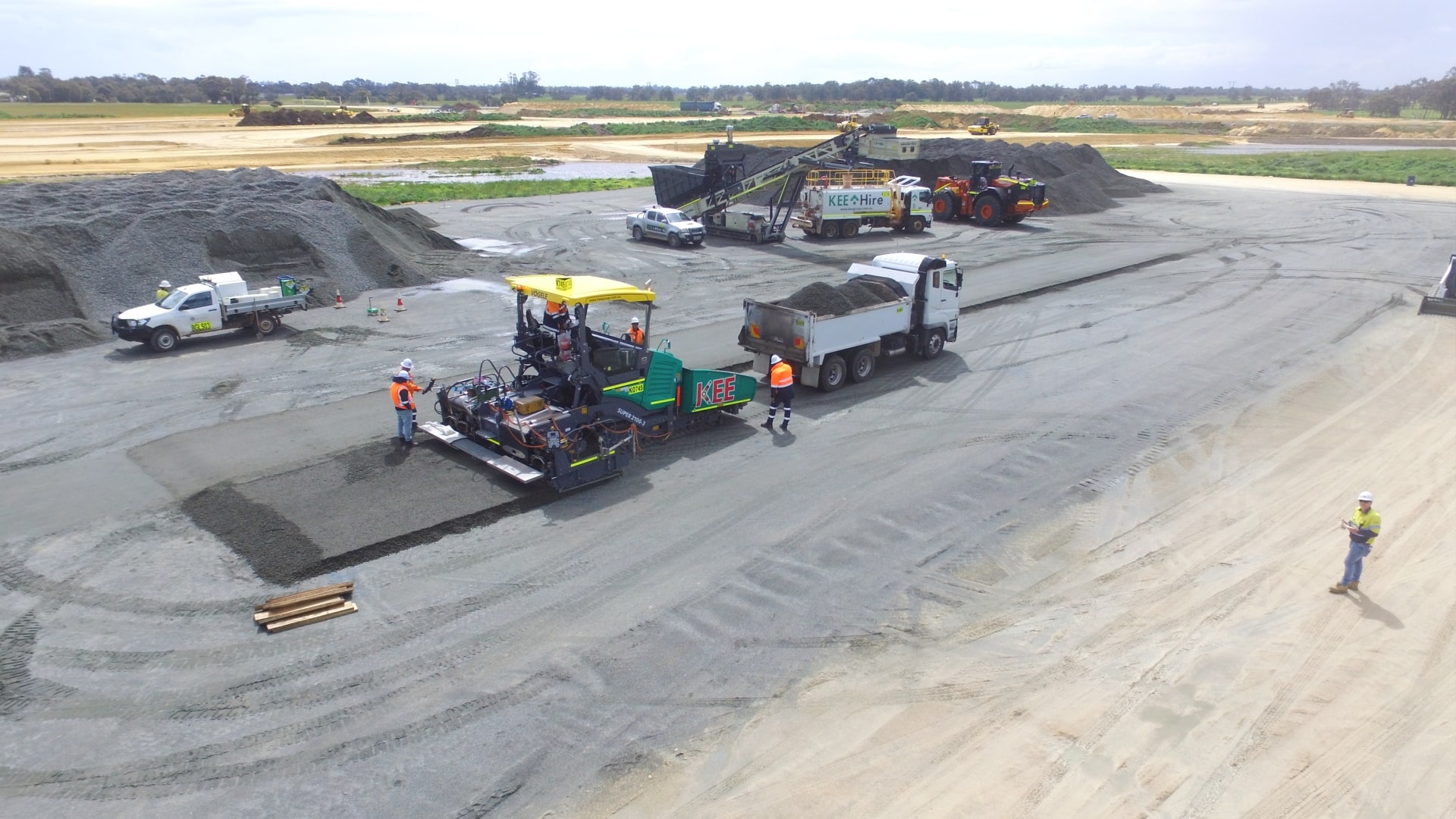
STRABAG Australia has agreed to acquire KEE Surfacing from the KEE Group, combining STRABAG’s global road construction, materials production and asphalt technology capability with KEE’s established Western Australian surfacing operations. The deal strengthens STRABAG’s position in the Australian transport infrastructure market, particularly in asphalt laying, spray sealing and associated plant operations on state and national road corridors. For contractors and suppliers, the move signals potential consolidation of asphalt supply chains and surfacing expertise across major projects in Western Australia and, longer term, other Australian states.
Major construction has begun on Stage Two of Melbourne’s Yan Yean Road Upgrade, adding an extra lane in each direction between Kurrak Road and Bridge Inn Road to cater for around 24,000 daily motorists. The works include upgraded signalised intersections and a segregated walking and cycling path along the corridor, targeting smoother traffic flow and reduced conflict points. For designers and contractors, key tasks will centre on pavement widening, intersection reconfiguration and active transport integration within a constrained peri-urban road reserve.
Tungsten West has signed an eight-year binding offtake agreement with US-based Elmet Technologies for 1,000 tonnes per annum of contained WO₃ from the Hemerdon tungsten-tin mine in Devon, valued at over £1.4 billion at current prices. The contract secures a long-term mine-to-market route into US and UK tungsten processing and manufacturing supply chains, alongside the UK National Wealth Fund’s investment of up to £71 million and its exclusive talks to procure up to 50% of Hemerdon’s annual tungsten output. For operators and project financiers, this combination of state backing and locked-in offtake materially de-risks Hemerdon’s restart and expansion plans.
US Export-Import Bank is preparing up to $7 billion in financing for Argentine critical minerals and energy projects, enabling operators to fund US-sourced equipment for lithium, copper, rare earths and shale oil and gas over the next two years. The package would build on more than $1 billion in US critical minerals commitments to Latin America since January 2025 and sits alongside Argentina’s RIGI regime, which grants tax, customs and FX stability for projects above $200 million. Key beneficiaries could include Rio Tinto’s $2.5 billion Rincón lithium project, BHP’s advancing copper developments and Chevron’s shale operations, with Argentina targeting 580,000 t/y lithium and 1.64 Mt/y copper exports by 2036.
Medway Council has gone to tender for a new Highways Infrastructure Contract valued at £110M excluding VAT (£132M including VAT), covering maintenance and improvement of the local road network. The framework is expected to bundle routine carriageway and footway works, structures maintenance and associated drainage and traffic management into a single long-term package. Contractors will be assessing risk around inflation, materials pricing and resource availability over the contract term, with bid strategies likely to hinge on surfacing productivity, night‑time possession planning and drainage asset condition.
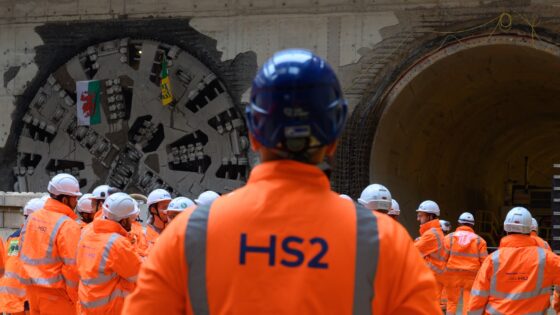
HS2 Ltd is seeking market input on a 10-year professional services partnering arrangement to support the remaining phases of the UK’s high-speed rail programme as it moves beyond major civils delivery. The proposed framework is expected to cover multidisciplinary design, systems integration and programme management for stations, rail systems and operational readiness, replacing the current civils-focused consultancy model. Consultants will need long-term capability in high-speed rail systems, digital design and assurance, and integration with existing classic rail infrastructure.
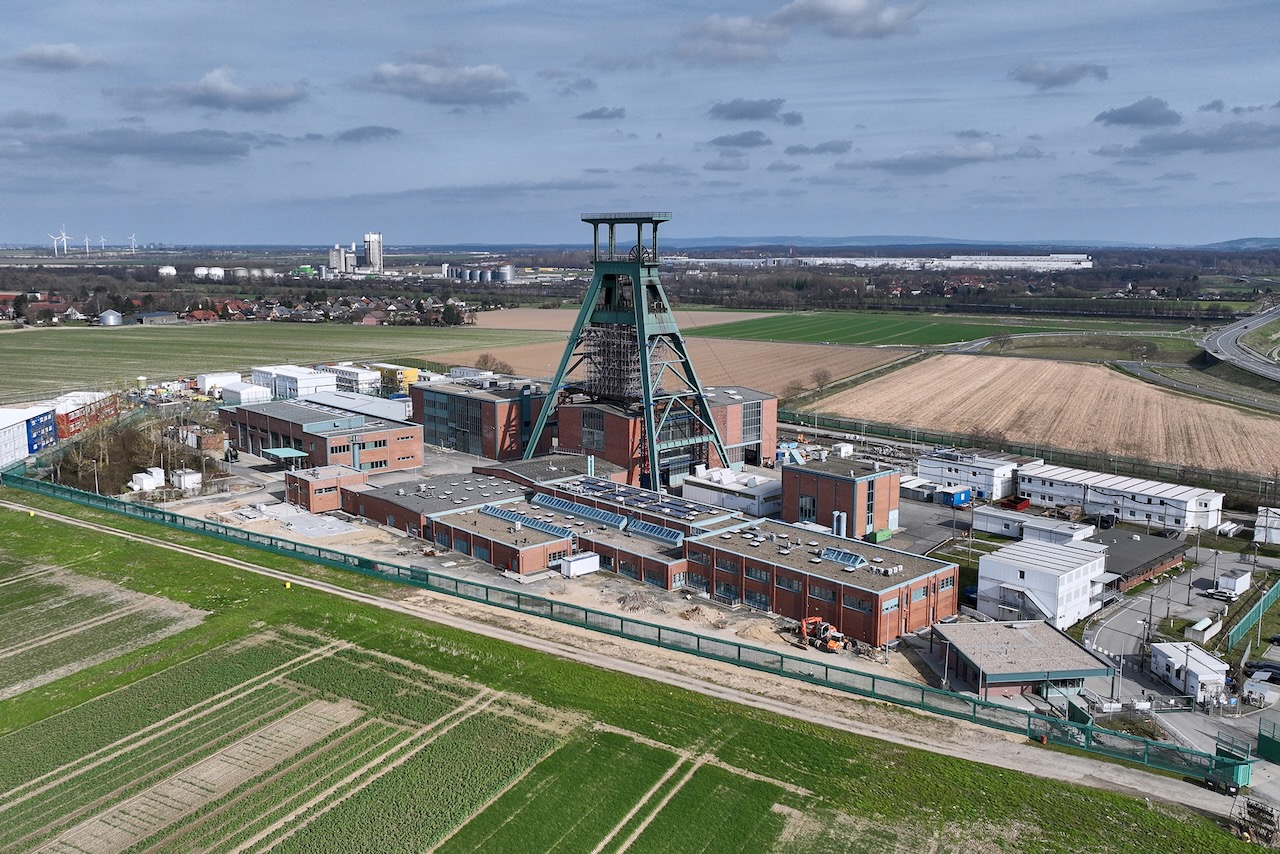
Jacobs has been appointed by Germany’s Bundesgesellschaft für Endlagerung (BGE) to provide project support for the Konrad Repository in Salzgitter, a low- and intermediate-level radioactive waste facility being developed within existing underground mining structures. The contract covers assessment of construction progress, validation of planning assumptions, schedule and cost plan reviews, and implementation of efficiency improvements under combined mining, nuclear and seismic regulatory constraints. Jacobs will align construction activities, timelines and cost structures with on-site conditions, drawing on experience from Sellafield and Belgian radioactive waste treatment and storage projects.
Willmott Dixon has secured a £46m Department for Education contract to deliver a Sheppard Robson-designed, three-storey 9,252 m² rebuild of Bramhall High School in Stockport, including specialist provision for pupils with special educational needs. One existing single-storey block will be retained and remodelled, while six current blocks are to be demolished after decanting into the new structure, requiring careful phasing and temporary works on a live school site. Construction is due to start in October 2026, with the main building completing August 2028 and full site completion in September 2029.
Nth Cycle has signed a binding 10-year offtake term sheet with Glencore worth an estimated $1 billion, securing 100% of black mass feedstock from Glencore’s US shredding network for Project SHIELD, its planned South Carolina battery materials refinery. The deal covers offtake of high-purity mixed hydroxide precipitate (nickel/cobalt MHP) and battery-grade lithium carbonate, and includes assessing an existing Glencore US site to accelerate construction alongside Nth Cycle’s 21,000-square-foot Fairfield, Ohio facility. Both parties will also evaluate deploying Nth Cycle’s portable ‘Oyster’ electrochemical refining system for black mass, copper and rare earth recovery in Europe and globally.
Military Metals has secured a C$100,000 Mineral Resource Development Fund grant from the Nova Scotia Department of Natural Resources to support a seven-hole, 1,750 m diamond drilling programme at the past-producing West Gore antimony-gold project in the Meguma camp. Drilling will test down-plunge extensions below historical mine workings and the Brook Vein stope, following historical intercepts up to 10.6 g/t gold and 3.4% antimony over 7.1 m. West Gore previously produced an estimated 7,761 t of 46% Sb concentrate and 7,149 oz gold but has seen only minor work since the 1960s.
Blue Moon Metals’ Springer project in Nevada returned a 7 metre interval grading 1.28% WO₃ and 0.01% Mo from 160 metres in surface hole NM-13, plus 24.25 metres at 0.53% WO₃ and 0.12% Mo in NM-44, from a relogging and re-assay campaign now 64% through 18,000 metres of historical core. The 4,560-hectare skarn project, with a historical 355,000 tons at 0.537% WO₃ and a 1,200 long ton/day mill built by General Electric, is being evaluated for restart in Q4 2027. US BLM approval for 13 new drill pads enables a planned 67,000-metre diamond drilling programme on public land, materially expanding step-out and infill options.
Vale is acquiring a 30% stake in Ligga S.A. for about $190 million, securing exclusive offtake rights to 100% of sinter feed from the Ferro Sul mine in Brazil’s Carajás region. The deal underpins an expansion to quadruple Ligga’s output from roughly 2 Mtpa to 8 Mtpa by mid-2028, with ore railed 10 km to the Carajás Railroad and exported via the Ponta da Madeira Maritime Terminal. Vale says the move adds high-quality volumes to its 330 Mtpa Brazilian iron ore portfolio with low capital intensity by leveraging existing Northern System logistics.
Balfour Beatty is advancing the £65M South East Pier Expansion (Sepex) at Edinburgh Airport, a landside–airside interface project expected to increase stand capacity and passenger processing space. The scheme will extend the existing pier structure to serve additional aircraft gates, requiring new foundations, service diversions and airfield pavement works within a live operational environment. For civil and geotechnical teams, key challenges will centre on phasing construction around runway and taxiway operations, managing ground risk adjacent to existing assets, and integrating new M&E and baggage systems into constrained terminal infrastructure.
Metso has signed its largest analyser Life Cycle Services (LCS) agreement to date, a five-year contract with a major South American copper producer covering performance-based support for on-stream analysers. The deal centres on an outcome-based model, with Metso responsible for maintaining analyser availability and measurement accuracy across the concentrator to stabilise grade control and process optimisation. For plant and maintenance engineers, it signals deeper OEM involvement in long-term condition monitoring, remote diagnostics and KPI-linked service for critical assay instrumentation.
Blue Sky Building has been appointed construction manager for the Barbican Renewal Programme, a major upgrade of the Grade II-listed arts complex and residential estate in the City of London. The works will focus on restoring the original architectural vision while supporting the City’s environmental targets, all delivered in a fully operational setting with residents, performance venues and public circulation remaining in use. Blue Sky’s selection leans on its track record managing complex refurbishments in live environments at the National Gallery, British Museum, Selfridges and United Kingdom House.
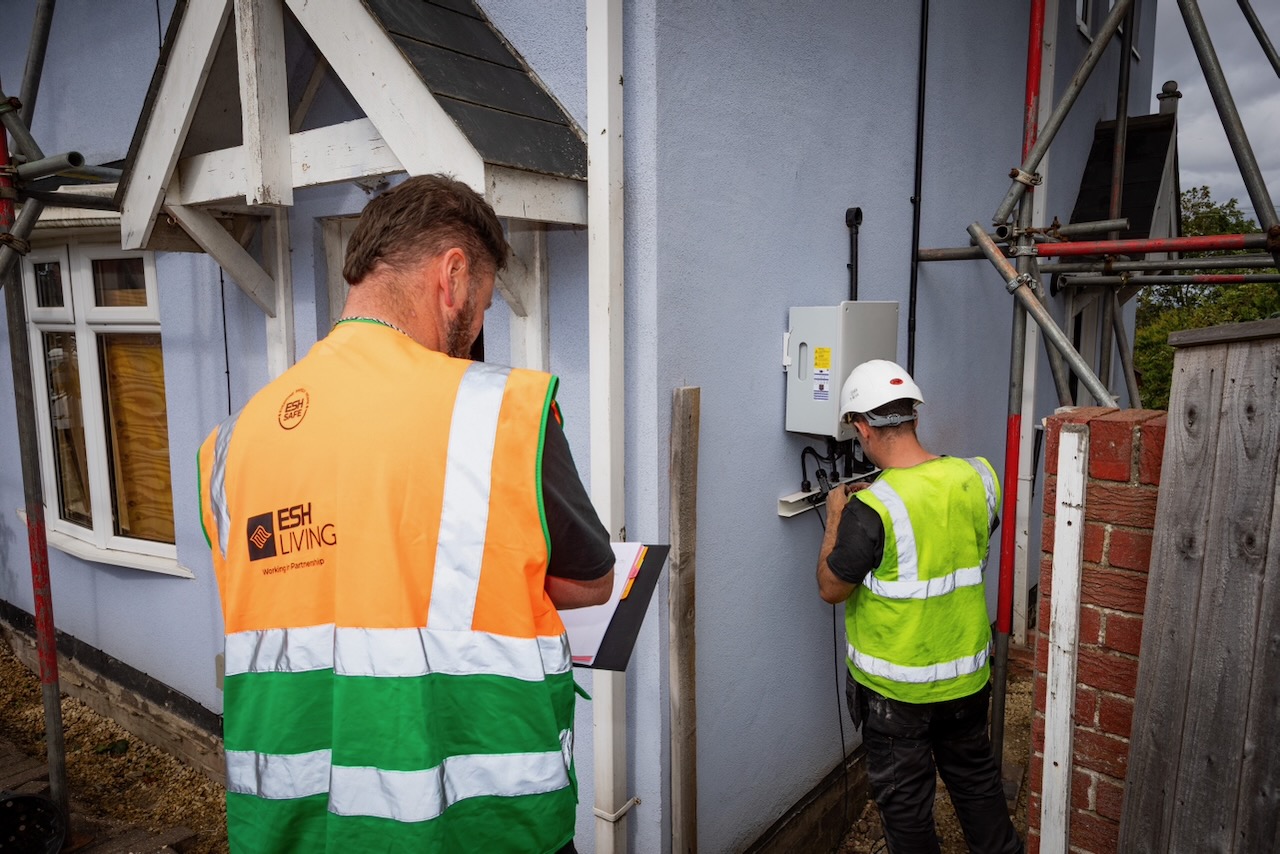
Esh Construction has secured a £2.5m Gateshead Council contract under the Warm Homes: Social Housing Fund Wave 3 to upgrade the energy performance of 82 homes over six months. Works include installing photovoltaic panels and ventilation measures to 70 bungalows and insulated flat roof upgrades to 12 flats, with retrofit designs informed by pre-construction technical surveys and updated EPC ratings. Storm Tempest has been appointed to deliver retrofit assessment, design and coordination in line with PAS retrofit standards, signalling structured, standards-led delivery for future social housing schemes.
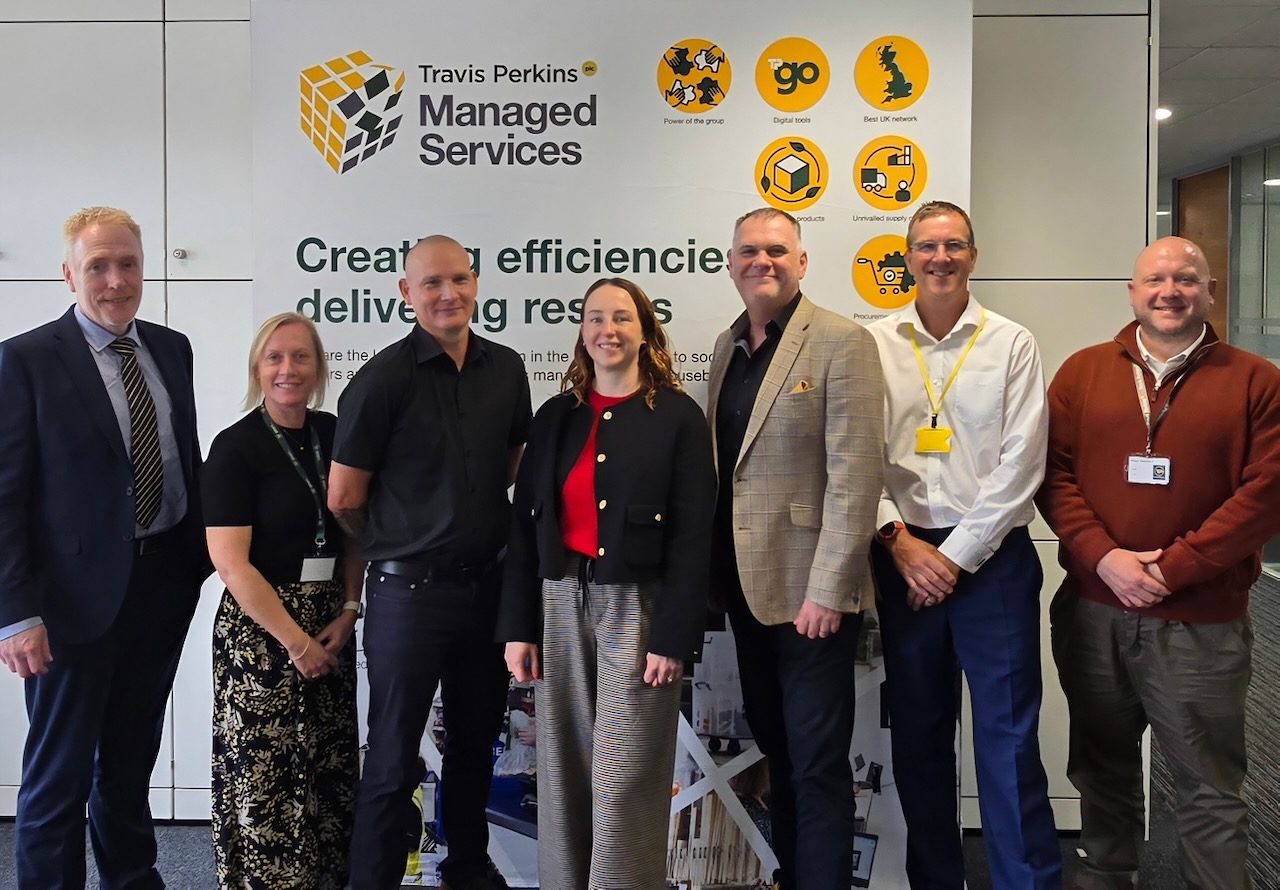
Travis Perkins Managed Services has secured a place on the Communities and Housing Investment Consortium’s Merchants and Materials framework until 2036, covering general construction, plumbing, hire and managed stores for social housing repair and maintenance. TPMS, which already serves over 180 housing associations and local authorities via Travis Perkins’ national branch network, will deploy dedicated branches, autonomous TPgo SelfServe units and its TPgo digital suite to support compliant, just‑in‑time materials supply. CHIC’s framework, restricted to its 350+ members and 1,500 supply chain partners, underpins asset management for 4.3 million UK homes.
Transport for London has appointed Costain under its Infrastructure Improvement Framework to deliver a design-and-build upgrade of South Kensington station, including step-free access and bringing a new dedicated eastbound Circle and District line platform into use by 2031. Works will integrate with a Native Land/Places for London joint venture, which has consent for a RSHP-designed around-station scheme adding 50 homes, refurbished retail and a four-storey “Bullnose” building fronting the station. Funding comes from TfL’s Business Plan, a £12m contribution from the Royal Borough of Kensington and Chelsea, and a separate 1851 Commission contribution.
Wabtec Corporation has secured a long-term services agreement worth more than $700 million with La Compagnie du TransGuinéen (CTG) to support a new fleet of Evolution Series locomotives on the Simandou iron ore rail corridor in Guinea. Combined with CTG’s 2024 locomotive orders, Wabtec’s total Simandou-related contract value now exceeds $1.2 billion, its largest services package in Africa. The deal signals long-horizon OEM support for heavy-haul rail operations that will underpin bulk ore export logistics from the greenfield Simandou development.
A construction tender has opened to upgrade the Stuart Highway–Schwarz Crescent intersection in Alice Springs, targeting safer pedestrian movements between the eastern suburbs and the town centre and improving access to nearby schools and businesses. Works will realign Schwarz Crescent and reconfigure the intersection geometry to reduce conflict points between vehicles and crossing pedestrians. Civil contractors can expect typical urban arterial treatments, likely including new kerb alignments, signal and crossing upgrades, and drainage adjustments within a constrained existing corridor.
Contracts have been awarded for five major Western Sydney road projects worth nearly $3 billion, jointly funded by the Australian Government and New South Wales Government to expand capacity on key corridors. Works include multiple intersection upgrades, new and duplicated carriageways, and improved local connectors feeding Western Sydney International Airport at Badgerys Creek. For designers and contractors, the programme signals sustained demand for high-capacity pavements, complex traffic staging, and airport-linked freight access geometry across the region’s arterial network.
Almonty Industries has secured South Korean approval to commercially process tungsten concentrate at the redeveloped Sangdong underground mine, targeting about 200,000 metric tonne units (MTU) per year from a new crushing and processing plant built with over $100 million of investment. Mining facility inspection certificates issued on 17 September authorise operation of the plant and sale of concentrate domestically and overseas, with more than 90% of Phase I output locked into a 21‑year, 4,410,000 MTU offtake to Global Tungsten & Powders. The project positions a large‑scale, non‑Chinese tungsten supply ahead of tighter US defence procurement rules from January 2027.
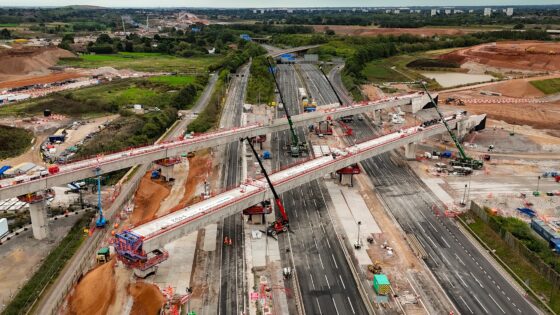
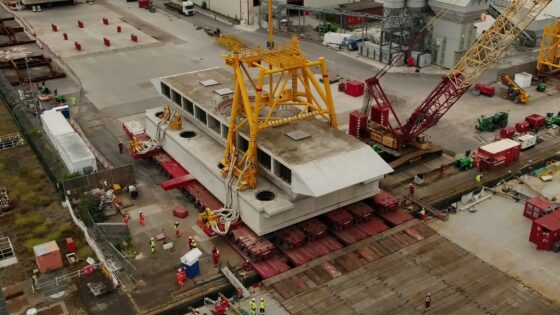
Balfor Beatty Vinci has installed the final one of six major spans for HS2’s Water Orton viaduct over the M42 in the West Midlands, completing the primary superstructure over the live motorway. The operation required heavy-lift cranes working within tight possession windows above multiple carriageways, with spans preassembled off-line to minimise disruption to M42 traffic. For designers and contractors, the milestone confirms that the staged erection methodology and temporary works strategy for HS2’s major overbridges are performing to programme under complex traffic and logistics constraints.
Artemis Gold will acquire Vista Gold in a $427 million all-share deal, giving it 100% of the permitted Mt Todd project in Australia’s Northern Territory and a pathway to more than 1 million oz. of annual production alongside its Blackwater mine in British Columbia. Mt Todd is a feasibility-stage asset with a 50,000 t/d processing plant approval, 9.1 million oz. measured and indicated at 0.83 g/t, an after-tax NPV of $1.1 billion and 28% IRR at $2,500/oz gold. The project sits on Jawoyn Association land, has road, rail and gas access, and includes over 1,300 sq. km of contiguous exploration licences with gold, copper, tin and tungsten occurrences.
Yorkshire Water’s £7.9M storm overflow improvement scheme in Pudsey, West Yorkshire will be delivered by Kier Infrastructure with design by Sweco, targeting reduced spill frequency and improved network resilience during intense rainfall. The project will focus on upgrading existing combined sewer and overflow assets rather than full replacement, aiming to increase storage and conveyance capacity within the constrained urban catchment. For civil and geotechnical teams, key issues will include working around live sewers, limited access in built-up areas, and strict environmental compliance on discharge quality.
Mineral Mining Services (MMS) has secured a new underground mining services contract from Tennant Mines, a subsidiary of ASX-listed Pan African Resources, at the newly established White Devil project about 50 km from Tennant Creek in Australia’s Northern Territory. The award rapidly extends MMS’s operating footprint in the Tennant Creek mineral field, positioning the contractor for further work as White Devil ramps up from initial development to full ore production. For geotechnical and mine planning teams, the contract signals imminent demand for detailed ground control, ventilation design and short-interval scheduling support on a new high-grade underground front.
Caravel Minerals has signed a non-binding, non-exclusive MoU with Thiess to develop mining services and support the definitive feasibility study for the Caravel copper project in Western Australia. Thiess will deliver engineering and cost estimates for a proposed full-service mining contract, covering drill and blast, load and haul, and ancillary services. The mine plan under review includes options for autonomous drilling and haulage fleets, signalling potential deployment of large-scale autonomous truck and drill rigs in a greenfield copper operation.
Lycopodium Limited has secured a A$49.4 million EPCM contract to manage delivery of Greatland Resources’ Havieron gold-copper project in Western Australia, taking responsibility for project execution through the pre-production phase. The mandate covers engineering, procurement and construction management for surface and underground infrastructure ahead of first ore, positioning Lycopodium as project delivery partner rather than lump-sum contractor. For geotechnical and mine infrastructure teams, this signals an EPCM-led approach to early works, with design control and constructability reviews centralised under Lycopodium during the critical build-out period.
Three regional contracts have been let for spring road maintenance, resurfacing and repair across Tasmania, covering 84 sites on the state network. Victorian surfacing specialist Roadways will deliver asphalt and spray seal works in the north-west and southern regions, while Hazell Bros will manage civil and pavement works in the north. The programme signals a concentrated seasonal push on surface condition, drainage and structural repairs, with implications for traffic management planning and quarry/asphalt plant scheduling across multiple districts.
Regis Resources has extended the known mineralised system at the Rosemont underground mine in Western Australia, with drilling confirming gold mineralisation 600m south of the current Stage 3 resource envelope at the Duketon operations. Resource development drilling is targeting down-plunge and southern extensions of the existing underground lodes, with multiple holes intersecting mineralisation outside the modelled stopes. The results point to potential incremental underground reserve growth and longer mine life, prompting likely updates to resource models, mine design and development scheduling.
Larvotto Resources has produced the first antimony and gold concentrate from the redeveloped Hillgrove mine in New South Wales, following the August restart of processing operations. The milestone comes after completion of a plant upgrade programme that brought new flotation cells and concentrate filter presses online to handle antimony–gold ore. Commissioning progress towards steady-state production signals renewed sulphide flotation capacity at a site historically known for complex refractory mineralogy, with implications for concentrate quality and downstream smelting contracts.
The Greater Connect Alliance has secured the contract to deliver the Lloyd Street Extension Project in Western Australia, the first stage of a broader upgrade to the Great Eastern Highway and the road network around Perth Airport. Works will create a new north–south link tying Lloyd Street into the Great Eastern Highway freight corridor, intended to relieve congestion on existing local roads carrying airport and industrial traffic. For designers and contractors, the staged approach signals upcoming packages involving complex interface management with live airport access routes and existing highway structures.
The US Department of Energy’s Office of Environmental Management has issued an expression of interest to US companies for potential transfer and recovery of surplus critical minerals and rare earth-related materials at five nuclear cleanup sites: Paducah (Kentucky), Portsmouth (Ohio), Oak Ridge (Tennessee), Nevada National Security Site and Moab (Utah). Targeted materials include aluminium, copper, lead, silver, platinum, tungsten, vanadium, fluorine, lithium hydride, chloride, selenium and cesium-137. Interested parties must supply their own extraction, processing and handling equipment, with DOE evaluating responses on technical capability and proposed end-use plans.
Aura Minerals has secured a US$200 million, five-year syndicated loan priced at SOFR (3.62% on Friday) plus 2.7%, with a two-year grace period, arranged by Citi and Itaú BBA, to support working capital as it ramps up an Americas growth phase. The funding coincides with construction of the Era Dorada gold project in Guatemala, a US$382 million build on a two-year schedule targeting about 111,000 gold-equivalent oz. per year in its first four years. Aura aims to lift group output to more than 600,000 gold-equivalent oz. annually from 313,000 oz. currently, while keeping net debt at 0.21× trailing EBITDA.
BOTON and SimFer, the Rio Tinto-controlled operator of Guinea’s Simandou iron ore project, have signed a long-term intelligent operations support services agreement for the site’s conveyor belts and systems, formalised on 14 September in Wuxi, China. The deal extends BOTON’s role from supplying and installing high-capacity overland conveyor belts to providing ongoing intelligent monitoring, diagnostics and optimisation support. For mine operators, this signals deeper OEM involvement in lifecycle performance of critical bulk-handling infrastructure on one of the world’s largest undeveloped iron ore deposits.
US government agency International Development Finance Corp. has conditionally approved a US$414.2 million loan for Global Atomic to build the Dasa uranium mine in Niger, a 40% increase on its 2024 proposal and sized to match updated capex for the 1,000 t/d underground operation. Dasa hosts 73 million lb U3O8 in probable reserves at 4,113 ppm and is expected to produce 68.1 million lb over 23 years, with a 57% post-tax IRR and US$917 million NPV at US$75/lb. Disbursement hinges on securing an export route for U3O8, extending the mining convention and permit, and finalising agreements with Niger’s government and the DFC.
Aya Gold & Silver has reported shallow, high-grade intercepts at its Zgounder mine in Morocco, including 13 metres at 783 g/t silver from surface in hole ZG-RC-24-155 and 11 metres at 501 g/t from 2 metres in ZG-RC-24-354, as part of a 30,000-metre programme using RC, diamond and percussion drilling. Additional near-surface hits such as 12 metres at 762 g/t from 7 metres (T28-26-1404) and 14 metres at 468 g/t from 14 metres (T28-26-1443) could support resource conversion and mine-plan updates around the open pit and central zone. Zgounder, now running a 2,700 t/d plant and targeting 5.2–5.8 million oz silver this year at US$21.50/oz cash costs, is also advancing an exploration drift at the 1,825-metre level to open drilling west of the Zgounder fault in Q4, while the Boumadine project carries a US$3.5 billion NPV and 93% IRR for planned 2030 start-up.
Planning permission has been granted for Sizewell C to build a pre-cast concrete factory at Avonmouth, near Bristol, to produce marine tunnel segments and tunnel heads from 2028. The facility will fabricate large-diameter segmental linings for the nuclear plant’s intake and outfall tunnels, enabling offsite quality control and reducing complex marine construction work offshore. Contractors and designers will need to coordinate segment geometry, reinforcement detailing and marine durability specifications early, as tunnel design will be tightly coupled to the Avonmouth production set-up and logistics.
Redpath Africa Limited is broadening its underground mining proposition beyond its core raiseboring specialism, adding full-scope development, construction and contract mining services across sub-Saharan operations. The company is integrating shaft sinking, lateral development and underground infrastructure installation with its established raiseboring fleet, enabling single-contractor delivery of hoisting shafts, ventilation raises and ore passes. For mine owners, this consolidated offering reduces interface risk on deep-level projects and allows tighter coordination of ground support, excavation sequencing and services installation in complex geologies.