Geomechanics.io

  • Free Tools
Sign UpLog In

Geomechanics.io

Geomechanics, Streamlined.

© 2026 Geomechanics.io. All rights reserved.

Geomechanics.io

CMRR-ioGEODB-ioHYDROGEO-ioQCDB-ioFree Tools & CalculatorsBlogLatest Industry News

Industries

MiningConstructionTunnelling

Company

Terms of UsePrivacy PolicyLinkedIn
    AllGeotechnicalMiningInfrastructureMaterialsHazardsEnvironmentalSoftwarePolicy
    Projects
    Sustainability
    Safety

    Sasquatch Resources’ Mount Sicker waste rock: design and risk notes for mine engineers

    March 20, 2026|

    Reviewed by Tom Sullivan

    Sasquatch Resources’ Mount Sicker waste rock: design and risk notes for mine engineers

    First reported on MINING.com

    30 Second Briefing

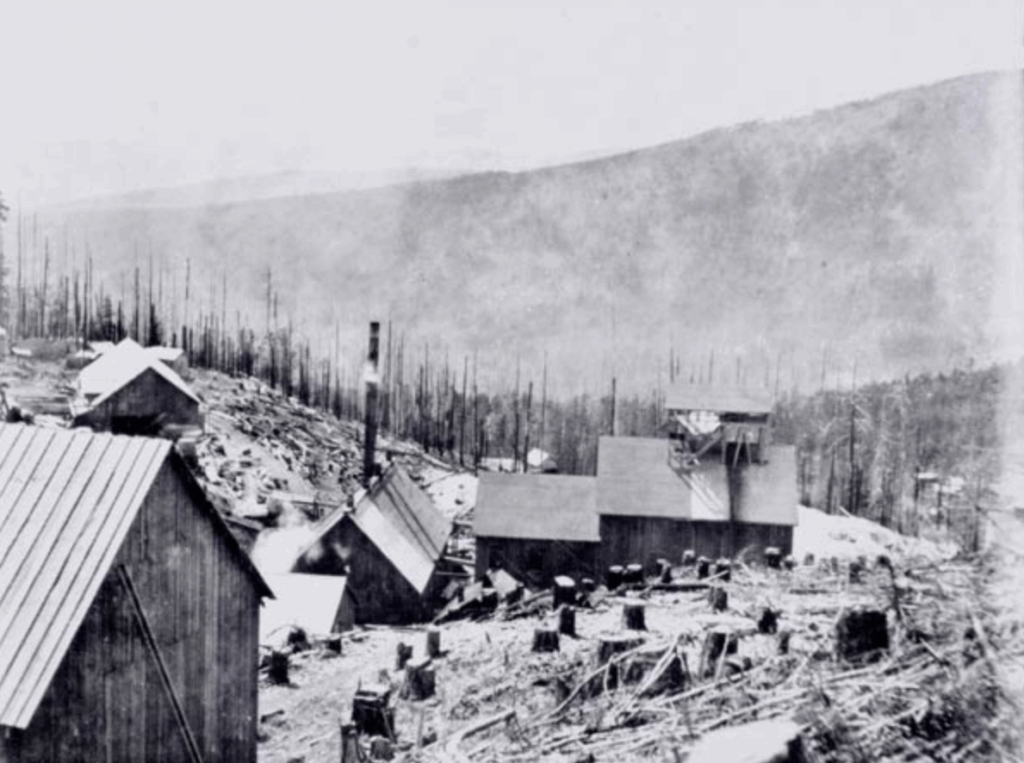
    Sasquatch Resources is targeting roughly 300,000 tonnes of sulphide-bearing waste rock at the historic Mount Sicker copper-gold district on Vancouver Island, where legacy piles with a neutralisation potential of 0.2 and open shafts up to 200 feet deep continue to generate acid runoff and physical hazards. Modern sampling of the surface waste has returned average grades of about 2 g/t gold plus copper, silver and zinc, and the company plans to crush and process the material using density and X-ray fluorescence (XRF) ore-sorting in a closed-loop, reagent-free circuit. Because the project involves large-scale reprocessing without new mining, Sasquatch is working with regulators to craft a bespoke permitting pathway that could be replicated across an estimated 2,000 legacy mine sites in British Columbia.

    Technical Brief

    • Waste rock was historically dumped without any engineered containment, drainage control, or cover system.
    • The site’s barren, unvegetated footprint after >100 years indicates chronic acid generation and metal toxicity.
    • Sasquatch’s closed-loop, reagent-free ore-sorting circuit avoids tailings ponds and reduces water-treatment liabilities.
    • Clean, inert fractions from sorting are intended for on-site placement as benign backfill and cover material.
    • Regulatory work focuses on a bespoke permit that enforces environmental safeguards without full mine-start requirements.

    Our Take

    Historic copper cutoff grades around 8% at Mount Sicker imply that large volumes of sub‑cutoff waste could still carry meaningful gold and base metal values by modern standards, making reprocessing potentially attractive if logistics on Vancouver Island can be managed cheaply.

    The very low neutralisation score (0.2) for Mount Sicker waste rock signals strong acid-generation potential, so any re-mining or rehandling strategy will likely be scrutinised by British Columbia regulators as a de facto acid rock drainage remediation project rather than just a small-scale gold play.

    Within our 1099 Mining stories, most Canada- and copper-tagged items focus on new builds or expansions; legacy sites like Mount Sicker and Crofton smelter being revisited for both gold recovery and clean-up remain relatively uncommon, which can give early movers like Sasquatch Resources more room to shape permitting and community expectations.

    Geotechnical Software for Modern Teams

    Centralise site data, logs, and lab results with GEODB-io, CMRR-io, and HYDROGEO-io.

    No credit card required.

    • Save and export unlimited calculations
    • Advanced data visualisation
    • Generate professional PDF reports
    • Cloud storage for all your projects

    Prepared by collating external sources, AI-assisted tools, and Geomechanics.io’s proprietary mining database, then reviewed for technical accuracy & edited by our geotechnical team.

    Related Articles

    BHP on data and AI in mining: decision-making lessons for project engineers
    Mining
    about 7 hours ago

    BHP on data and AI in mining: decision-making lessons for project engineers

    BHP Chief Digital Officer Mikko Tepponen argues that falling discovery rates and more complex orebodies are pushing miners towards data-centric decision-making, from exploration targeting to multi-decade capital allocation. He points to integrating geological, geophysical and drilling datasets into unified cloud platforms and using machine learning models to rank targets and optimise mine plans under multiple regulatory and ESG constraints. Tepponen stresses that value comes from linking these AI tools directly to operational decisions, such as dynamic cut-off grade strategies and real-time processing adjustments, rather than from pilots in isolated data science teams.

    Mining
    about 7 hours ago

    Sandvik AutoMine orders from Byrnecut: multi-mine automation lens for engineers

    Sandvik has secured five AutoMine orders from Byrnecut, deploying AutoMine Multi-Lite systems at the Gwalia, Ulysses, Youanmi and Gossan Valley underground mines in Australia and the Navachab gold mine in Namibia. The contracts extend Sandvik’s automation platform across multiple jurisdictions and orebody types, enabling tele-remote and multi-machine control of Sandvik loaders and trucks from centralised control rooms. With these installations, most of Byrnecut’s global underground operations will now run Sandvik’s AutoMine architecture, simplifying fleet standardisation, training and support.

    Mining
    about 9 hours ago

    3ME BladeVOLT IECEx certification: design and safety notes for mine engineers

    3ME Technology has secured IECEx hazardous area certification for its BladeVOLT® lithium-ion battery system to the IEC 60079 series, enabling use on electric mobile equipment in gassy underground mines previously limited to diesel or tethered power. The intrinsically safe design targets Group I mining atmospheres, allowing OEMs to integrate high‑energy battery packs into flameproof or explosion-protected platforms without separate local certification. This opens a compliant pathway for battery-electric loaders, trucks and utility vehicles in coal and other gas-prone operations seeking to cut diesel emissions and heat load.

    Related Industries & Products

    Mining

    Geotechnical software solutions for mining operations including CMRR analysis, hydrogeological testing, and data management.

    CMRR-io

    Streamline coal mine roof stability assessments with our cloud-based CMRR software featuring automated calculations, multi-scenario analysis, and collaborative workflows.

    HYDROGEO-io

    Comprehensive hydrogeological testing platform for managing, analysing, and reporting on packer tests, lugeon values, and hydraulic conductivity assessments.

    GEODB-io

    Centralised geotechnical data management solution for storing, accessing, and analysing all your site investigation and material testing data.