Geomechanics.io

  • Free Tools
Sign UpLog In

Geomechanics.io

Geomechanics, Streamlined.

© 2026 Geomechanics.io. All rights reserved.

Geomechanics.io

CMRR-ioGEODB-ioHYDROGEO-ioQCDB-ioFree Tools & CalculatorsBlogLatest Industry News

Industries

MiningConstructionTunnelling

Company

Terms of UsePrivacy PolicyLinkedIn
    AllGeotechnicalMiningInfrastructureMaterialsHazardsEnvironmentalSoftwarePolicy
    Product
    Sustainability
    Projects

    Holcim starts imports at Tilbury: circular cement plant design notes for engineers

    June 16, 2026|

    Reviewed by Tom Sullivan

    Holcim starts imports at Tilbury: circular cement plant design notes for engineers

    First reported on The Construction Index

    30 Second Briefing

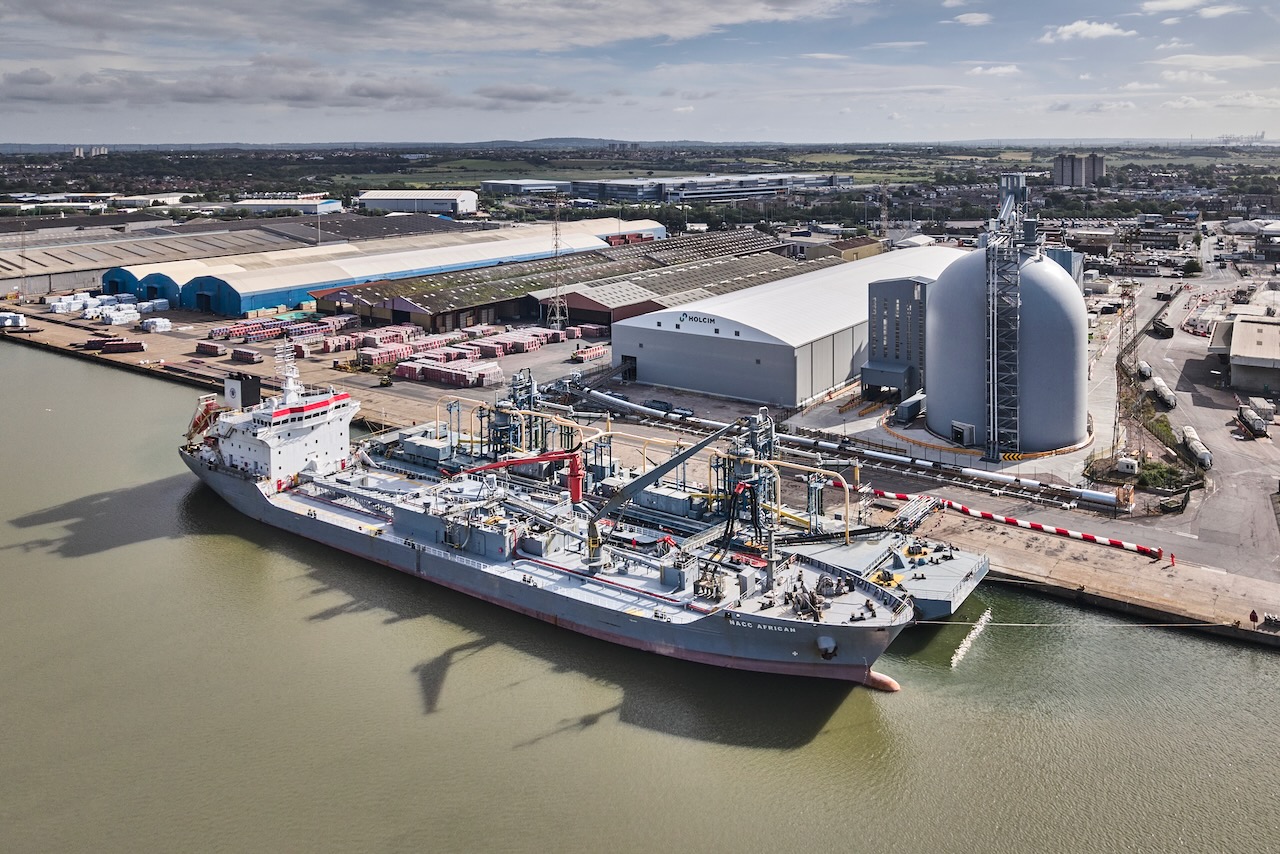
    Holcim’s Tilbury Cement Works has begun importing cementitious materials via a deep‑water berth at the Port of Tilbury, using a new ship‑to‑shore conveyor, enclosed belt conveyors and the UK’s first 30,000‑tonne cement dome silo to feed six loading heads and five weighbridges. A vertical roller mill due in late 2026 will grind GBFS and recycled concrete fines to produce GGBFS and blended cements, with ECOPlanet and ECOPlanet with ECOCycle products scheduled for early 2027. The site has been built using circular practices, reusing 25,000m³ of crushed concrete and 10,000 tonnes of reclaimed asphalt.

    Technical Brief

    • Deep‑water berth at the Port of Tilbury enables direct unloading from large ocean‑going bulk carriers.
    • Marine import, storage and dispatch systems are already operational, while grinding and blending modules complete in 2026.
    • Location targets London, the South East and major schemes such as the Lower Thames Crossing corridor.
    • Six loading heads and five weighbridges are configured for high‑throughput, automated outbound logistics.
    • NACC Sustament cement carrier, due 2027, will supply Tilbury using green methanol propulsion.
    • Terminal layout has been engineered for future low‑clinker materials, explicitly including potential calcined clay processing.
    • Construction reused 25,000 m³ of crushed concrete on site, reducing primary aggregate demand and haulage.
    • A further 10,000 tonnes of reclaimed asphalt and 20,000 tonnes of excavated material were recycled into Holcim products and hubs.

    Our Take

    Holcim UK’s use of granulated blast furnace slag, recycled concrete fines and other circular cementitious materials at Tilbury aligns with its recent promotion of a dedicated managing director for recycling, signalling that imported low‑clinker blends are likely to be tightly integrated with its UK recycling hubs rather than treated as a standalone supply stream.

    The focus on cement and cementitious materials in the UK South East adds to a cluster of Holcim UK items in our database involving airport and housing projects, suggesting that Tilbury’s imports could be geared towards large infrastructure and urban schemes such as the Lower Thames Crossing where low‑carbon concrete and asphalt specifications are tightening.

    Across the 45 Materials stories in our coverage, only a subset combine ‘Product’, ‘Sustainability’ and ‘Projects’ tags with cement, so Holcim’s Tilbury move stands out as part of a relatively small group of UK‑based initiatives where logistics (via a port site) is being re‑engineered specifically to support lower‑carbon blended cements at scale.

    Geotechnical Software for Modern Teams

    Centralise site data, logs, and lab results with GEODB-io, CMRR-io, and HYDROGEO-io.

    No credit card required.

    • Save and export unlimited calculations
    • Advanced data visualisation
    • Generate professional PDF reports
    • Cloud storage for all your projects

    Prepared by collating external sources, AI-assisted tools, and Geomechanics.io’s proprietary mining database, then reviewed for technical accuracy & edited by our geotechnical team.

    Related Articles
    Structural timber at Westminster: net-zero design takeaways for UK housebuilders
    Materials
    1 day ago

    Structural timber at Westminster: net-zero design takeaways for UK housebuilders

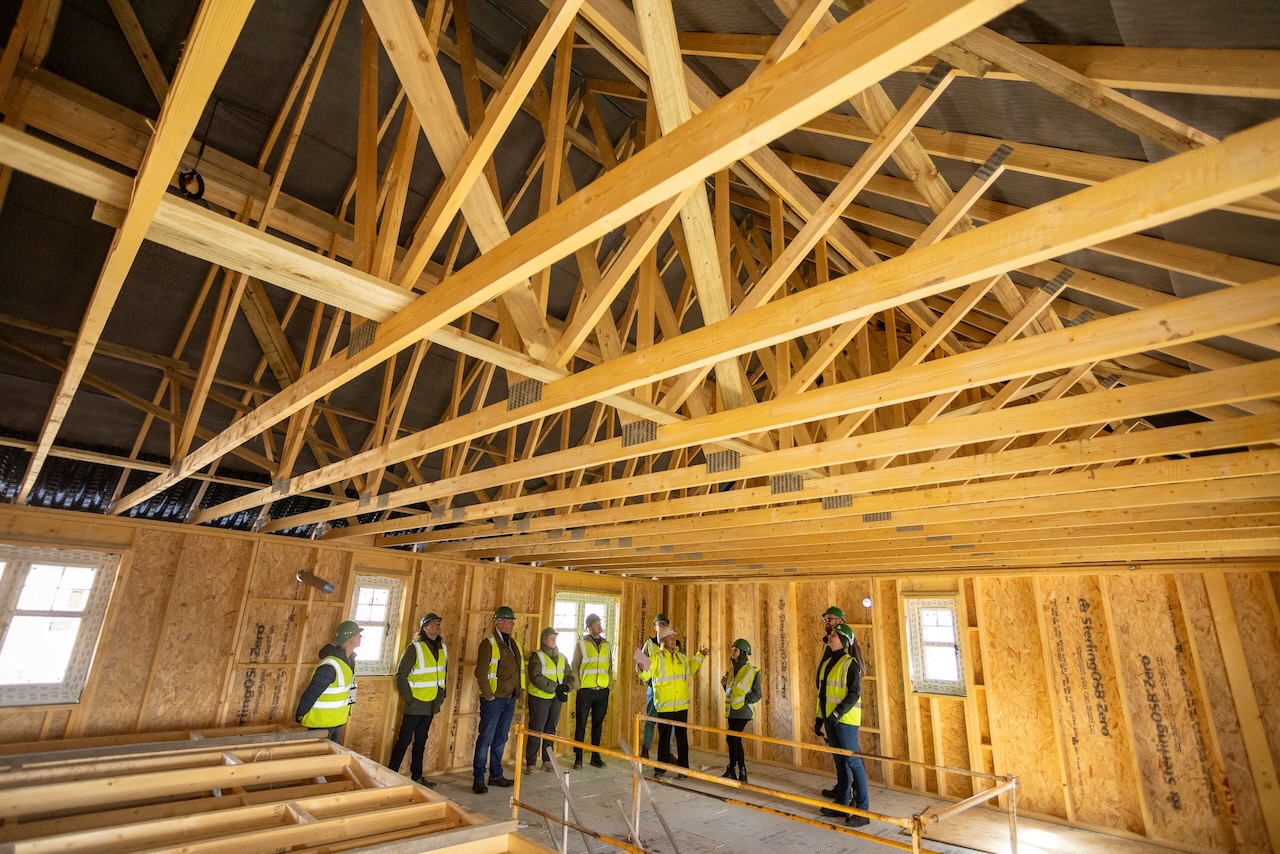
    Structural timber’s role in accelerating UK housebuilding was pushed at a Palace of Westminster panel chaired by Matt Turmaine MP and Baroness Ritchie, with senior figures from the Structural Timber Association, Egger UK, Lowfield Timber Frames and Places for People addressing major housebuilders and social housing providers. STA CEO Andrew Orriss noted that seven of the UK’s top 15 housebuilders plan to manufacture in timber frame, aligning with DEFRA’s Timber in Construction Roadmap and Net Zero 2050 targets. Timber’s lower embodied carbon and carbon sequestration were positioned as key advantages over traditional materials.

    Screencore picks RME for France: integrated crushing circuits for quarry engineers
    Materials
    3 days ago

    Screencore picks RME for France: integrated crushing circuits for quarry engineers

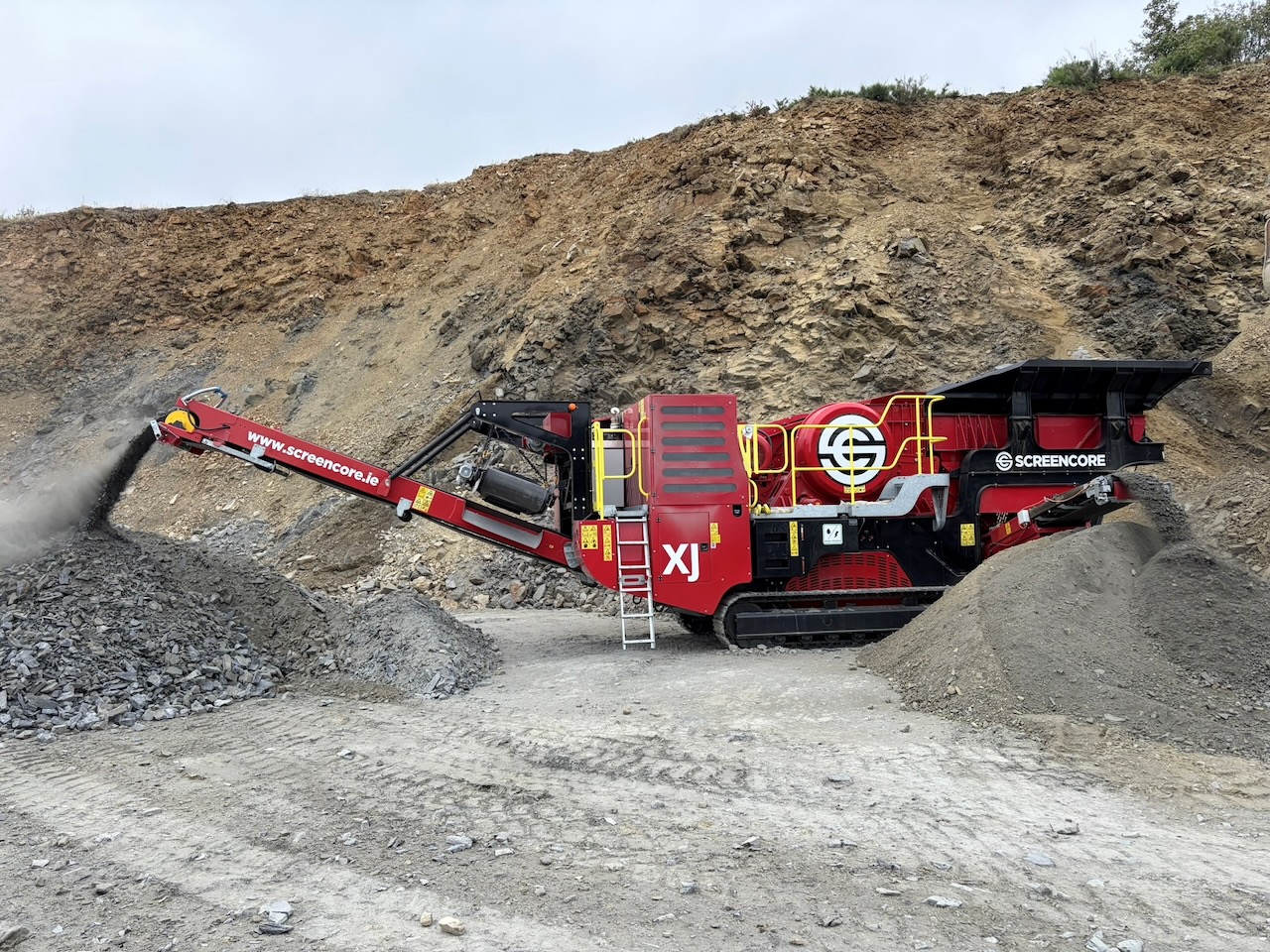
    Northern Ireland manufacturer Screencore has appointed RME Solutions as exclusive distributor for its full range of mobile screens and crushers, plus spare parts, across France. RME, led by managing director Benoît Roglet, will provide nationwide after-sales coverage, including service, maintenance and customer support for quarrying, recycling platforms, demolition sites and public works. The Screencore line will be integrated with RME’s existing sorting, grinding, sieving and cleaning equipment portfolio, giving French operators a single supplier for complete materials preparation circuits.

    Heidelberg cable backfill: thermal design implications for civil engineers
    Materials
    9 days ago

    Heidelberg cable backfill: thermal design implications for civil engineers

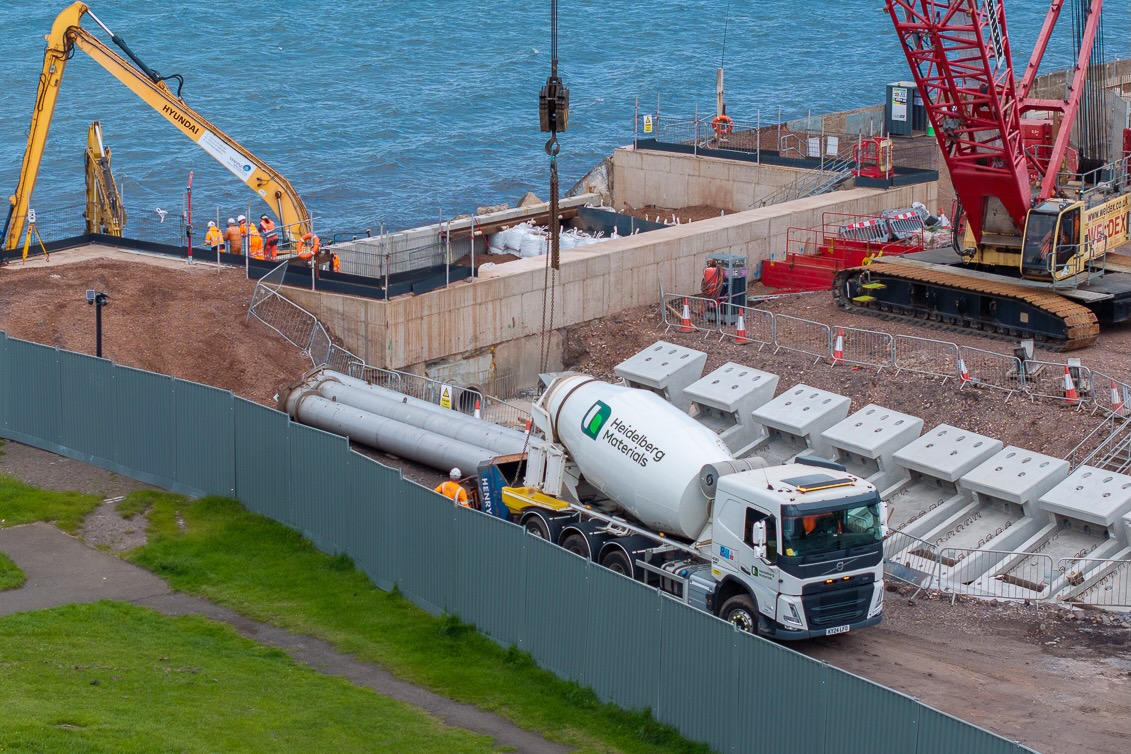
    Heidelberg has launched a new range of high-thermal-conductivity, low-resistivity backfill and bedding materials specifically engineered for high and ultra-high voltage underground power cables. The products are formulated to improve heat dissipation from cable systems, reducing localised temperature rise and associated ampacity constraints compared with conventional granular or cementitious surrounds. For civil and geotechnical designers, this allows tighter cable spacing, potentially shallower trench sections, and more reliable performance in dense urban corridors where thermal bottlenecks often limit circuit capacity.

    Related Industries & Products

    Construction

    Quality control software for construction companies with material testing, batch tracking, and compliance management.

    Mining

    Geotechnical software solutions for mining operations including CMRR analysis, hydrogeological testing, and data management.

    QCDB-io

    Comprehensive quality control database for manufacturing, tunnelling, and civil construction with UCS testing, PSD analysis, and grout mix design management.