Habas Demir Celik blast in Turkey: crane and furnace safety lessons for engineers
Reviewed by Tom Sullivan
First reported on MINING.com
30 Second Briefing
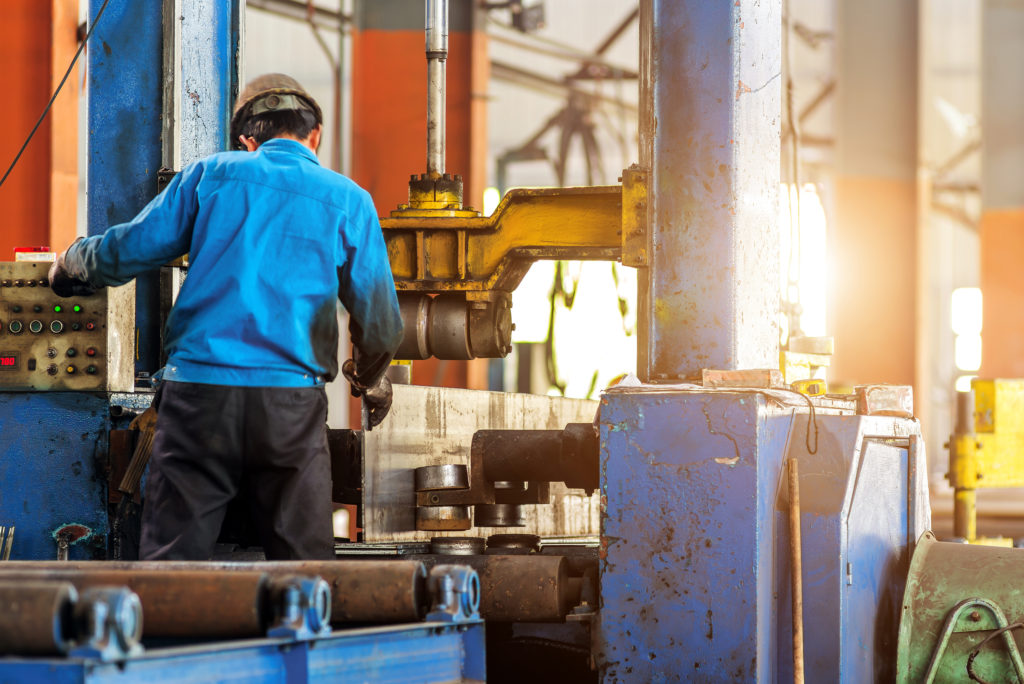
A blast at the Habas Demir Celik iron and steel plant in Aliaga, Izmir province, killed 16 workers when a ceiling crane snapped and fell into an arc furnace during molten steel casting around noon on 9 November. Ten people remain trapped under rubble, while 13 were injured and two are in serious condition, with casualties distributed across several regional hospitals. The Turkish government has opened an investigation, putting overhead crane integrity, furnace-area lifting operations and maintenance regimes under immediate scrutiny for heavy steel plants.
Technical Brief
- Failure mechanism focus will be on overhead crane structural integrity, hoist ropes, trolleys, rails and support beams.
- Investigators will likely examine crane inspection records, load charts, duty cycles and recent maintenance or component replacements.
- Metallurgical analysis of fractured crane components and welds can distinguish overload from fatigue, corrosion or material defects.
- Arc furnace shell, roof and refractory damage assessment will be critical to determine thermal and mechanical blast effects.
- Monitoring upgrades could include continuous crane condition monitoring, non-destructive testing regimes and stricter pre-shift visual checks over furnaces.
- Root-cause work will need integration of lifting operations risk assessments, permit-to-work records and molten metal hazard controls.
- For similar steelworks, overhead crane redundancy, exclusion zones above furnaces and compliance with lifting standards will face renewed scrutiny.
Our Take
Turkey-related Hazards items in our database are relatively sparse compared with Latin American and Australian entries, so a fatal incident at the Habas Demir Celik facility will likely draw closer scrutiny from European steel buyers on contractor management and process safety in western Turkey.
With iron ore and downstream steel both prominent in recent market coverage (including BloombergNEF’s work on long-term steel demand and decarbonisation), a high-fatality blast at a steel plant underscores that safety performance is becoming as material to offtake and financing decisions as emissions intensity for integrated iron ore–steel chains.
The presence of Bisie and tin in the tagging links this incident into a wider set of Hazards stories where upstream African assets feed into global metals supply chains, suggesting that buyers and lenders tracking ESG risk now need to consider serious safety events not only at mines but also at midstream processing hubs like Aliaga and Izmir.
Prepared by collating external sources, AI-assisted tools, and Geomechanics.io’s proprietary mining database, then reviewed for technical accuracy & edited by our geotechnical team.
Related Articles
Related Industries & Products
Mining
Geotechnical software solutions for mining operations including CMRR analysis, hydrogeological testing, and data management.
CMRR-io
Streamline coal mine roof stability assessments with our cloud-based CMRR software featuring automated calculations, multi-scenario analysis, and collaborative workflows.
HYDROGEO-io
Comprehensive hydrogeological testing platform for managing, analysing, and reporting on packer tests, lugeon values, and hydraulic conductivity assessments.
GEODB-io
Centralised geotechnical data management solution for storing, accessing, and analysing all your site investigation and material testing data.