Geomechanics.io

  • Free Tools
Sign UpLog In

Geomechanics.io

Geomechanics, Streamlined.

© 2026 Geomechanics.io. All rights reserved.

Geomechanics.io

CMRR-ioGEODB-ioHYDROGEO-ioQCDB-ioFree Tools & CalculatorsBlogLatest Industry News

Industries

MiningConstructionTunnelling

Company

Terms of UsePrivacy PolicyLinkedIn
    AllGeotechnicalMiningInfrastructureMaterialsHazardsEnvironmentalSoftwarePolicy
    Projects
    Safety
    Sustainability

    Fortescue $108M Indigenous site ruling: ESG and tenure risks for mine planners

    May 12, 2026|

    Reviewed by Tom Sullivan

    Fortescue $108M Indigenous site ruling: ESG and tenure risks for mine planners

    First reported on MINING.com

    30 Second Briefing

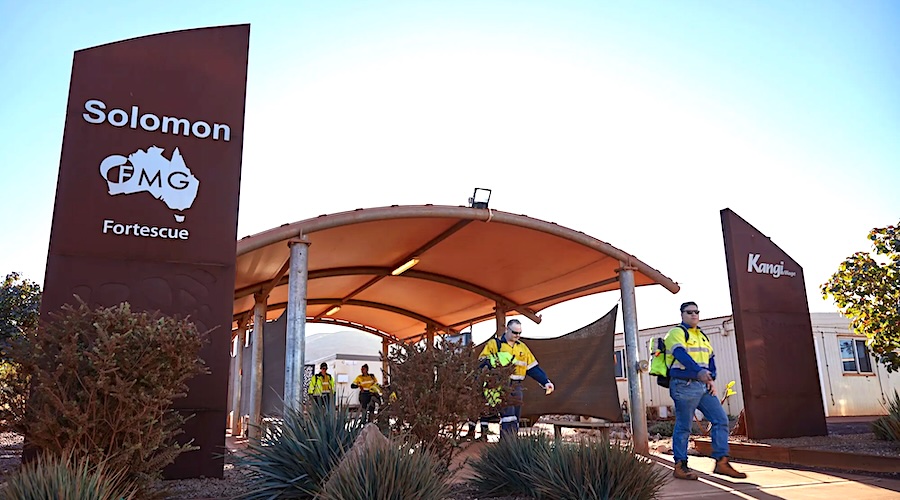
    Fortescue has been ordered by the Federal Court of Australia to pay more than A$150 million (US$108 million) to the Yindjibarndi people for “significant damage” to cultural heritage sites caused during operations at its Solomon Hub iron ore mine in the Pilbara. The ruling, which also includes A$100,000 for economic loss, follows a native title dispute dating back to a 2003 claim and the Yindjibarndi’s 2017 grant of exclusive rights over a 2,700 sq km, iron ore-rich area. For miners, the case signals materially higher native title compensation exposure and ESG risk where projects pre-date or contest Indigenous land determinations.

    Technical Brief

    • Compensation split is A$150 million for cultural loss versus only A$100,000 for economic loss.
    • Claimant Yindjibarndi Ngurra Aboriginal Corporation originally sought up to A$1.8 billion in compensation.
    • Native title claim was lodged in 2003, with exclusive rights only determined in 2017, creating long regulatory uncertainty.
    • Fortescue commenced Solomon Hub mining before native title resolution, exposing operations to retrospective heritage liability.
    • Court found damage to Yindjibarndi songlines and “other areas of cultural heritage”, not just discrete artefact sites.
    • Fortescue has publicly accepted that compensation is payable but is reviewing the detailed reasons before further action.
    • For current and planned projects, long-running native title disputes of 10–20 years materially elevate ESG and legal risk exposure.

    Our Take

    In our database of 153 Policy stories, Fortescue appears frequently in Western Australia items focused on automation and green power, so this compensation ruling adds a significant ESG and social-licence dimension alongside its recent Pilbara Green Energy Project approval.

    The fact that this dispute centres on the Solomon Hub in the Pilbara comes as Fortescue is also rolling out large-scale autonomy with Caterpillar across its Pilbara iron ore operations, suggesting that future project approvals and technology deployments will likely face closer scrutiny from native title holders.

    Given the Yindjibarndi people secured exclusive native title rights only in 2017, this outcome is likely to be closely watched by other Indigenous groups in Australia’s iron ore regions as a benchmark for cultural loss claims tied to long-running operations rather than new greenfield projects.

    Geotechnical Software for Modern Teams

    Centralise site data, logs, and lab results with GEODB-io, CMRR-io, and HYDROGEO-io.

    No credit card required.

    • Save and export unlimited calculations
    • Advanced data visualisation
    • Generate professional PDF reports
    • Cloud storage for all your projects

    Prepared by collating external sources, AI-assisted tools, and Geomechanics.io’s proprietary mining database, then reviewed for technical accuracy & edited by our geotechnical team.

    Related Articles
    Canadian steel sector tariff pain: supply and project risks for engineers
    Policy
    3 days ago

    Canadian steel sector tariff pain: supply and project risks for engineers

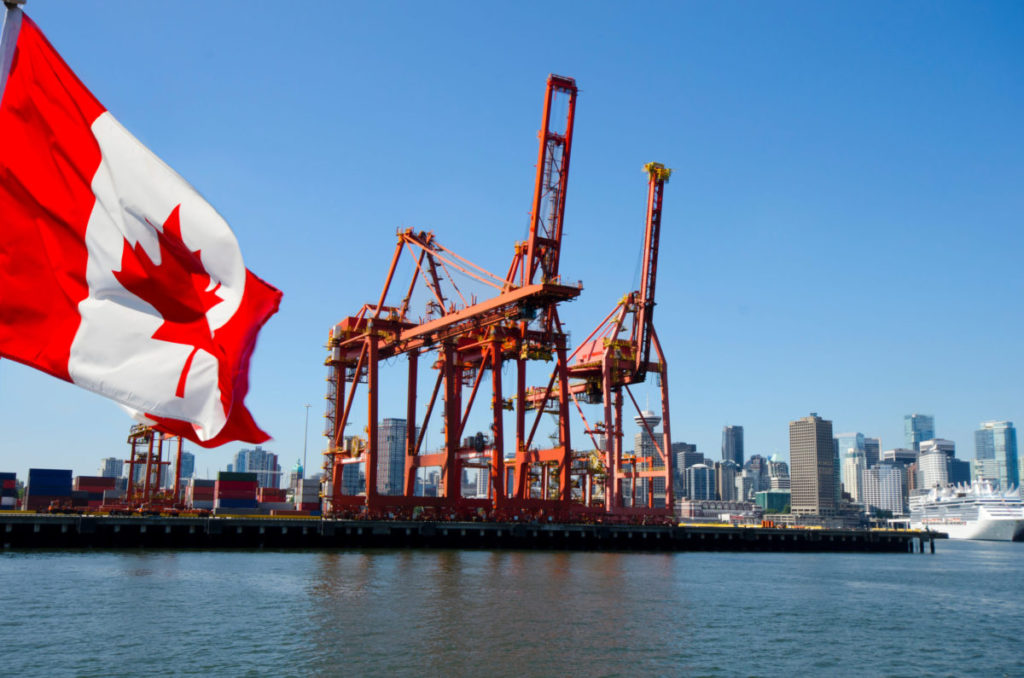
    Canadian steel exports to the US have fallen to roughly one-third of pre-tariff values, with PwC Canada’s Gemma Stanton-Hagan estimating monthly steel revenues are about C$500 million lower than before the duties, leaving the sector under deeper and longer pressure than aluminium. Ottawa’s response centres on a C$1‑billion loan facility to address liquidity and a C$500‑million regional tariff response initiative to push diversification, which she characterises as a short-term stopgap. With 85–90% of Canadian steel exports historically bound for the US and global oversupply limiting alternative markets, producers are reassessing investment while policymakers weigh risks to domestic supply for housing, transport, energy and defence projects.

    National Highways v WSP: contract dispute implications for net zero road projects
    Policy
    3 days ago

    National Highways v WSP: contract dispute implications for net zero road projects

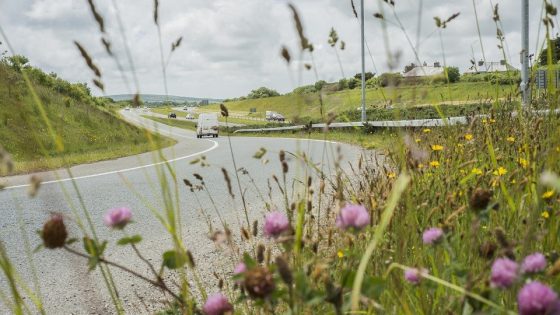
    National Highways has lodged a High Court breach of contract claim against WSP over the consultancy’s role as lead advisor on its roadmap to net zero for the strategic road network. The dispute centres on advisory work underpinning National Highways’ decarbonisation strategy, which covers construction materials, maintenance regimes and operational emissions across England’s motorways and major A-roads. Any adverse ruling or settlement could reshape how UK infrastructure clients scope, procure and manage consultancy input on carbon baselining, lifecycle assessments and compliance with government net zero targets.

    New judicial review limits on low‑carbon schemes: key planning shifts for engineers
    Policy
    3 days ago

    New judicial review limits on low‑carbon schemes: key planning shifts for engineers

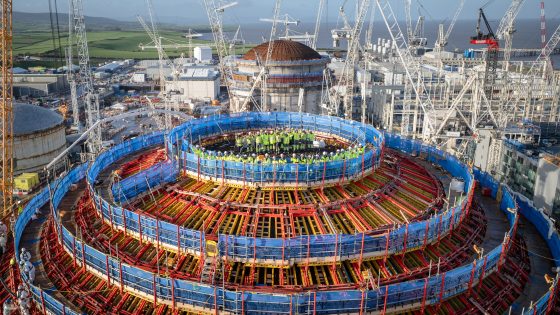
    Regulation giving Parliament, rather than the courts, final authority to approve large low‑carbon energy schemes has been unveiled by chancellor Rachel Reeves, sharply narrowing the grounds for judicial review. The change is expected to accelerate nationally significant infrastructure projects such as offshore wind farms, grid reinforcement corridors and carbon capture clusters, where planning and consent can currently add years to programme schedules. Developers and designers will need to front‑load environmental impact assessments, land rights strategies and stakeholder engagement, as legal challenge windows and procedural arguments are curtailed.

    Related Industries & Products

    Mining

    Geotechnical software solutions for mining operations including CMRR analysis, hydrogeological testing, and data management.

    CMRR-io

    Streamline coal mine roof stability assessments with our cloud-based CMRR software featuring automated calculations, multi-scenario analysis, and collaborative workflows.

    HYDROGEO-io

    Comprehensive hydrogeological testing platform for managing, analysing, and reporting on packer tests, lugeon values, and hydraulic conductivity assessments.

    GEODB-io

    Centralised geotechnical data management solution for storing, accessing, and analysing all your site investigation and material testing data.