Canadian Infrastructure Bank’s critical minerals pivot: funding lens for project teams
Reviewed by Joe Ashwell
First reported on MINING.com
30 Second Briefing
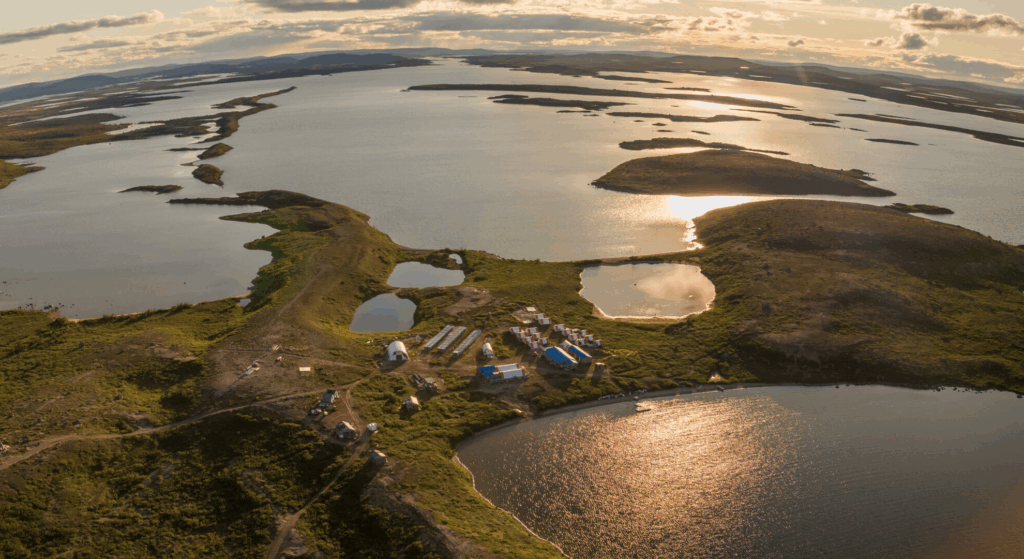
The Canadian Infrastructure Bank is shifting its C$18 billion mandate towards critical minerals, starting with a C$55 million bridge loan and a potential C$500 million follow-on facility for Torngat Metals’ C$2 billion Strange Lake rare earths project in remote Nunavik, Quebec. The bank plans to co-invest in transport and power infrastructure and may use contracts for difference and offtake-backed structures to de-risk revenue for feasibility-stage projects across Canada’s 34 listed critical minerals. Memoranda of understanding in Manitoba, British Columbia’s Golden Triangle and Saguenay target integrated road, rail, port and industrial hub planning with Indigenous and provincial partners.
Technical Brief
- CIB’s dual strategy splits between direct mine project finance and regional shared infrastructure with governments and Indigenous groups.
- A new CIB white paper identifies shallow critical-mineral capital markets and opaque pricing as key bankability constraints.
- Additional barriers flagged include remote-site access infrastructure gaps and high perceived regulatory delay risk for mine approvals.
- Revenue risk tools under consideration include contracts for difference and offtake-backed structures to stabilise cash flow.
- For geotechnical and transport planners, CIB’s co-investment model effectively socialises high upfront corridor and power-line costs.
Our Take
Within our 83 Policy stories, very few financing items match the scale of the C$18 billion mandate now available via the Canadian Infrastructure Bank, which signals Ottawa is positioning Canada as a long-term lender of record for critical minerals rather than relying solely on export credit support from entities like Export Development Canada.
The C$55 million bridge loan and potential C$500 million follow-on for Torngat Metals’ Strange Lake rare earths project represent unusually high leverage against a C$2 billion capex, implying that early-stage de-risking for remote Nunavik and northern Manitoba projects may increasingly hinge on quasi-sovereign capital rather than private equity alone.
With 34 critical minerals listed nationally and coverage spanning battery metals from Quebec to BC’s Golden Triangle, our database shows most Canadian critical minerals stories are still at permitting or study stage; the Colossus project in Brazil’s Minas Gerais appearing alongside them underlines how Canadian policy tools are now being used to secure supply chains even where the ore body lies offshore.
Prepared by collating external sources, AI-assisted tools, and Geomechanics.io’s proprietary mining database, then reviewed for technical accuracy & edited by our geotechnical team.
Related Articles


Related Industries & Products
Mining
Geotechnical software solutions for mining operations including CMRR analysis, hydrogeological testing, and data management.
Construction
Quality control software for construction companies with material testing, batch tracking, and compliance management.
CMRR-io
Streamline coal mine roof stability assessments with our cloud-based CMRR software featuring automated calculations, multi-scenario analysis, and collaborative workflows.
HYDROGEO-io
Comprehensive hydrogeological testing platform for managing, analysing, and reporting on packer tests, lugeon values, and hydraulic conductivity assessments.
GEODB-io
Centralised geotechnical data management solution for storing, accessing, and analysing all your site investigation and material testing data.