Geomechanics.io

  • Free Tools
Sign UpLog In

Geomechanics.io

Geomechanics, Streamlined.

© 2026 Geomechanics.io. All rights reserved.

Geomechanics.io

CMRR-ioGEODB-ioHYDROGEO-ioQCDB-ioFree Tools & CalculatorsBlogLatest Industry News

Industries

MiningConstructionTunnelling

Company

Terms of UsePrivacy PolicyLinkedIn
    AllGeotechnicalMiningInfrastructureMaterialsHazardsEnvironmentalSoftwarePolicy
    Safety
    Standard/Guideline
    Projects

    AGS Chair’s July 2024 update: safety data, report quality and EDI notes for geoengineers

    November 21, 2025|

    Reviewed by Tom Sullivan

    AGS Chair’s July 2024 update: safety data, report quality and EDI notes for geoengineers

    First reported on AGS (UK) – Blog/Magazine

    30 Second Briefing

    AGS’s July update launches an Early Careers Video, “Discovering a Rewarding Career in the Geo-Industry”, for use by industry representatives in schools and universities, and reports 2023 geotechnical and geoenvironmental accident statistics based on a 127% increase in contributing organisations. A new two-part SiLC PTP series critiques the standard of land contamination reports submitted through the planning system, echoing regulator concerns about report quality and consistency. Forthcoming events include a 25 September EDI-focused webinar and a November Manchester meeting on groundwater impacts across design and construction stages.

    Technical Brief

    • 2023 accident statistics explicitly target geotechnical and geoenvironmental activities, enabling discipline-specific safety benchmarking.
    • Strong emphasis is placed on challenging unsafe planning decisions, not just on-site behaviours or PPE compliance.
    • Poor-quality contamination assessments are linked to planning approvals that may under-specify remediation and long-term monitoring.

    Our Take

    The sharp 127% rise in organisations submitting 2023 accident data to AGS strengthens the statistical base behind the health and safety initiatives highlighted in the separate AGS–BDA collaboration piece, giving working groups more credible evidence to target specific site practices.

    With both this Chair’s blog and the March women’s safety issue referencing SiLC-linked panels, SiLC is emerging in our coverage as a recurring focal point for professional standards and wellbeing in geotechnical practice rather than purely as a technical accreditation scheme.

    The EDI‑themed webinar flagged for 25 September sits alongside several other Safety‑tagged AGS items in our database, indicating that AGS is now treating equality, diversity and inclusion as a core risk-management topic for geotechnical projects, not just an HR concern.

    Geotechnical Software for Modern Teams

    Centralise site data, logs, and lab results with GEODB-io, CMRR-io, and HYDROGEO-io.

    No credit card required.

    • Save and export unlimited calculations
    • Advanced data visualisation
    • Generate professional PDF reports
    • Cloud storage for all your projects

    Prepared by collating external sources, AI-assisted tools, and Geomechanics.io’s proprietary mining database, then reviewed for technical accuracy & edited by our geotechnical team.

    Related Articles
    BGS UK ground investigation data service: design and risk notes for engineers
    Geotechnical
    4 days ago

    BGS UK ground investigation data service: design and risk notes for engineers

    The British Geological Survey is advancing a national geotechnical data service to collate UK ground investigation records into a single, standardised digital platform for project teams. By aggregating borehole logs, in situ test results and laboratory data from multiple legacy sources, the system aims to give designers earlier visibility of variable strata, groundwater conditions and historical contamination. For geotechnical and civil engineers, this could reduce duplicate site investigations, refine ground models at concept stage and improve risk pricing for foundations, earthworks and underground structures.

    Amids South 93m bridge: design lessons on weak ground for geotechnical engineers
    Geotechnical
    6 days ago

    Amids South 93m bridge: design lessons on weak ground for geotechnical engineers

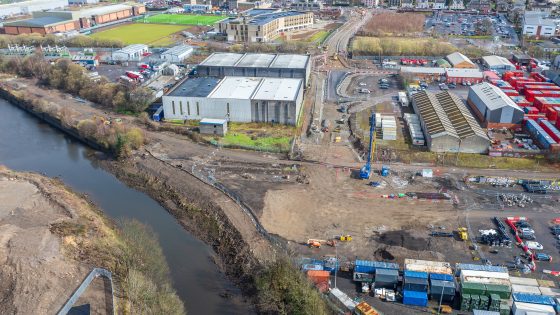
    A 93m-long bridge over the White Cart Water forms the core of the Amids South transport scheme, linking an existing industrial area to Paisley town centre and Glasgow Airport. Poor ground conditions along the river corridor drove a redesign of the substructure, with foundations and pier locations adjusted to avoid weak strata and reduce settlement risk. The scheme’s experience will interest geotechnical and bridge engineers dealing with soft alluvium and variable bearing capacity on constrained urban river crossings.

    Gary L. Seider P.E.: helical foundation design lessons for ground engineers
    Geotechnical
    8 days ago

    Gary L. Seider P.E.: helical foundation design lessons for ground engineers

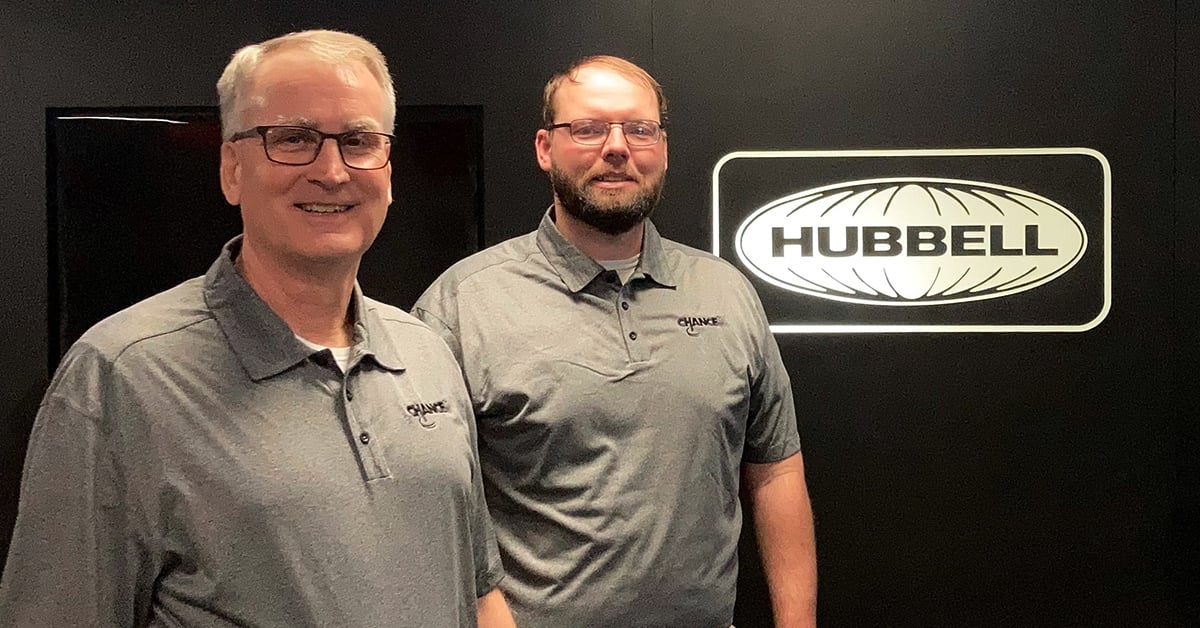
    Gary L. Seider, P.E., is retiring after nearly 40 years with A.B. Chance, where he was instrumental in developing helical pile and anchor systems that became core to Hubbell’s foundation solutions portfolio after its 1994 acquisition. His work helped formalise design methodologies, installation torque–capacity correlations and training standards for contractors and engineers using screw anchors in transmission, distribution and commercial foundation projects. Seider’s legacy is a mature, codified helical foundation practice that many US geotechnical and structural engineers now treat as a routine design option.

    Related Industries & Products

    Construction

    Quality control software for construction companies with material testing, batch tracking, and compliance management.

    Mining

    Geotechnical software solutions for mining operations including CMRR analysis, hydrogeological testing, and data management.

    QCDB-io

    Comprehensive quality control database for manufacturing, tunnelling, and civil construction with UCS testing, PSD analysis, and grout mix design management.