Geomechanics.io

  • Free Tools
Sign UpLog In

Geomechanics.io

Geomechanics, Streamlined.

© 2026 Geomechanics.io. All rights reserved.

Geomechanics.io

CMRR-ioGEODB-ioHYDROGEO-ioQCDB-ioFree Tools & CalculatorsBlogLatest Industry News

Industries

MiningConstructionTunnelling

Company

Terms of UsePrivacy PolicyLinkedIn
    Failure
    Safety

    W G Carter fall death: work-at-height failings and lessons for site engineers

    October 5, 2026|

    Reviewed by Tom Sullivan

    W G Carter fall death: work-at-height failings and lessons for site engineers

    First reported on The Construction Index

    30 Second Briefing

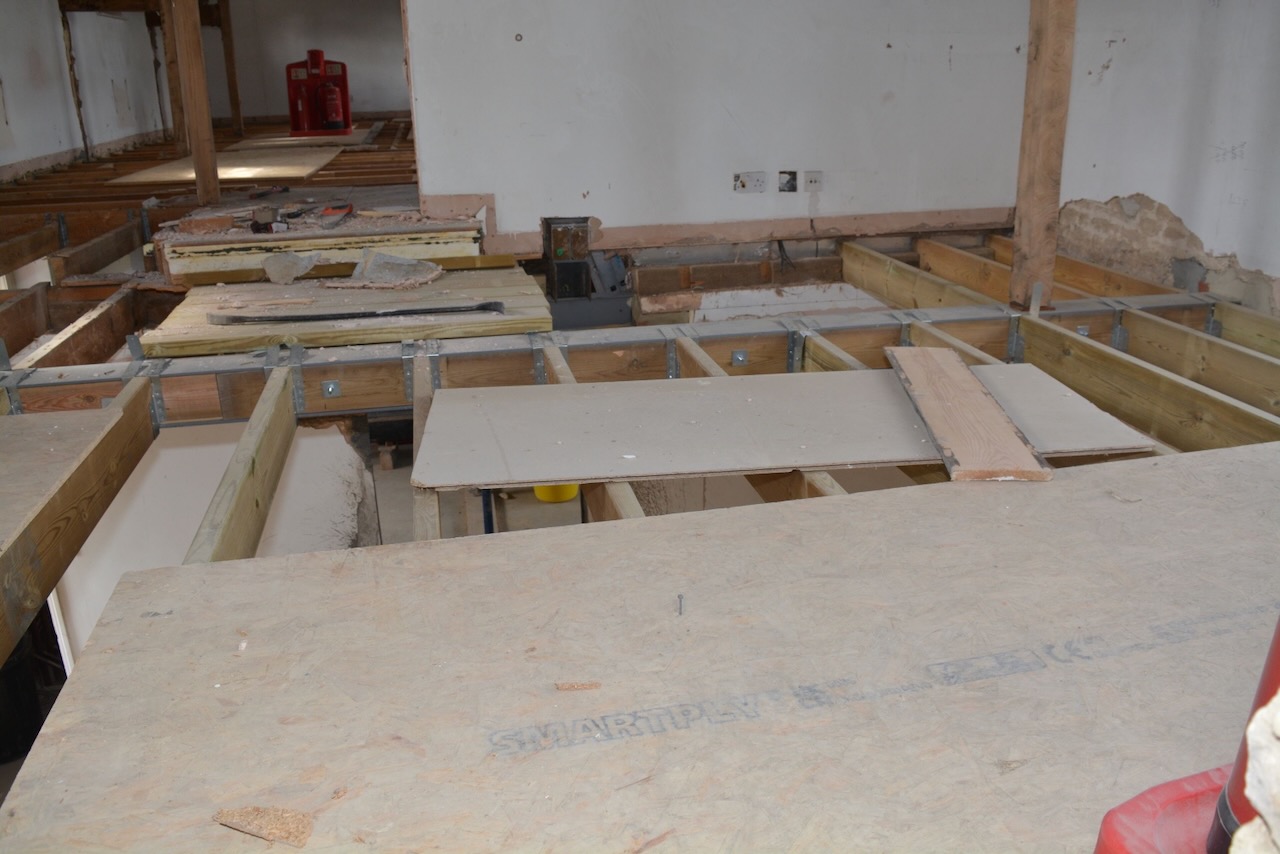
    W G Carter Limited has been fined £120,000 plus £5,247 costs at Bristol Magistrates Court after 59-year-old worker Richard “Felix” Roper died falling from a stripped first floor onto a concrete ground slab at a barn house in Nether Westcote. A joint HSE and Gloucestershire Police investigation found work at height was not properly planned or supervised, with workers allowed onto joists where floorboards and structural supports had been removed while others continued lifting boards. After a Prohibition Notice, the firm switched to installing replacement joists from below using work-at-height equipment and blocking access to the first floor.

    Technical Brief

    • Failure mechanism: worker stepped onto exposed first-floor joists where boards and some joists were missing or unsecured.
    • Impact was a fall onto a hard concrete ground slab, creating high head-impact energy and fatal trauma.
    • Investigators identified concurrent activities – joist replacement and floorboard removal – as a dynamic, escalating fall-from-height hazard.
    • Regulation 4(1) of the Work at Height Regulations 2005 was breached, indicating inadequate planning and method selection.
    • A Prohibition Notice halted all work at height until engineered fall-prevention measures and safe access arrangements were in place.
    • Post-incident remediation method fixed new joists from below using work-at-height equipment, eliminating exposure to open edges above.
    • For similar refurbishment projects, segregating trades, sequencing demolition and joist replacement, and physically excluding access to partial floors is critical.

    Our Take

    The involvement of the Health and Safety Executive in this Nether Westcote fatality aligns with other recent UK cases in our database, where HSE enforcement has increasingly focused on systemic failures to manage work at height rather than one-off errors by individuals.

    With construction already highlighted by HSE statistics as having the highest worker fatalities in Britain in 2025/26, a prosecution under Regulation 4(1) of the Work at Height Regulations 2005 is likely to reinforce more stringent scrutiny of small and mid-sized contractors such as W G Carter Limited on site planning and supervision duties.

    Geotechnical Software for Modern Teams

    Centralise site data, logs, and lab results with GEODB-io, CMRR-io, and HYDROGEO-io.

    No credit card required.

    • Save and export unlimited calculations
    • Advanced data visualisation
    • Generate professional PDF reports
    • Cloud storage for all your projects

    Prepared by collating external sources, AI-assisted tools, and Geomechanics.io’s proprietary mining database, then reviewed for technical accuracy & edited by our geotechnical team.

    Related Articles
    Nepal floods and hydropower: design and risk lessons for dam engineers
    Hazards
    2 days ago

    Nepal floods and hydropower: design and risk lessons for dam engineers

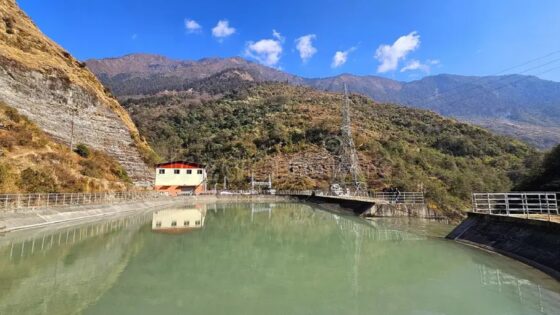
    August’s glacial lake outburst flood on the Nepal–Tibet border destroyed multiple run-of-river hydropower schemes and downstream settlements, killing about 1,500 people and leaving thousands missing. Early reports point to dam overtopping, inadequate spillway capacity for extreme inflows, and limited real-time monitoring of upstream lakes and debris-laden surges. Designers and operators are now under pressure to revisit probable maximum flood assumptions, freeboard allowances, and emergency drawdown and warning protocols for high-altitude hydropower corridors.

    Envu vegetation management: fire-season risk and access lessons for asset engineers
    Hazards
    2 days ago

    Envu vegetation management: fire-season risk and access lessons for asset engineers

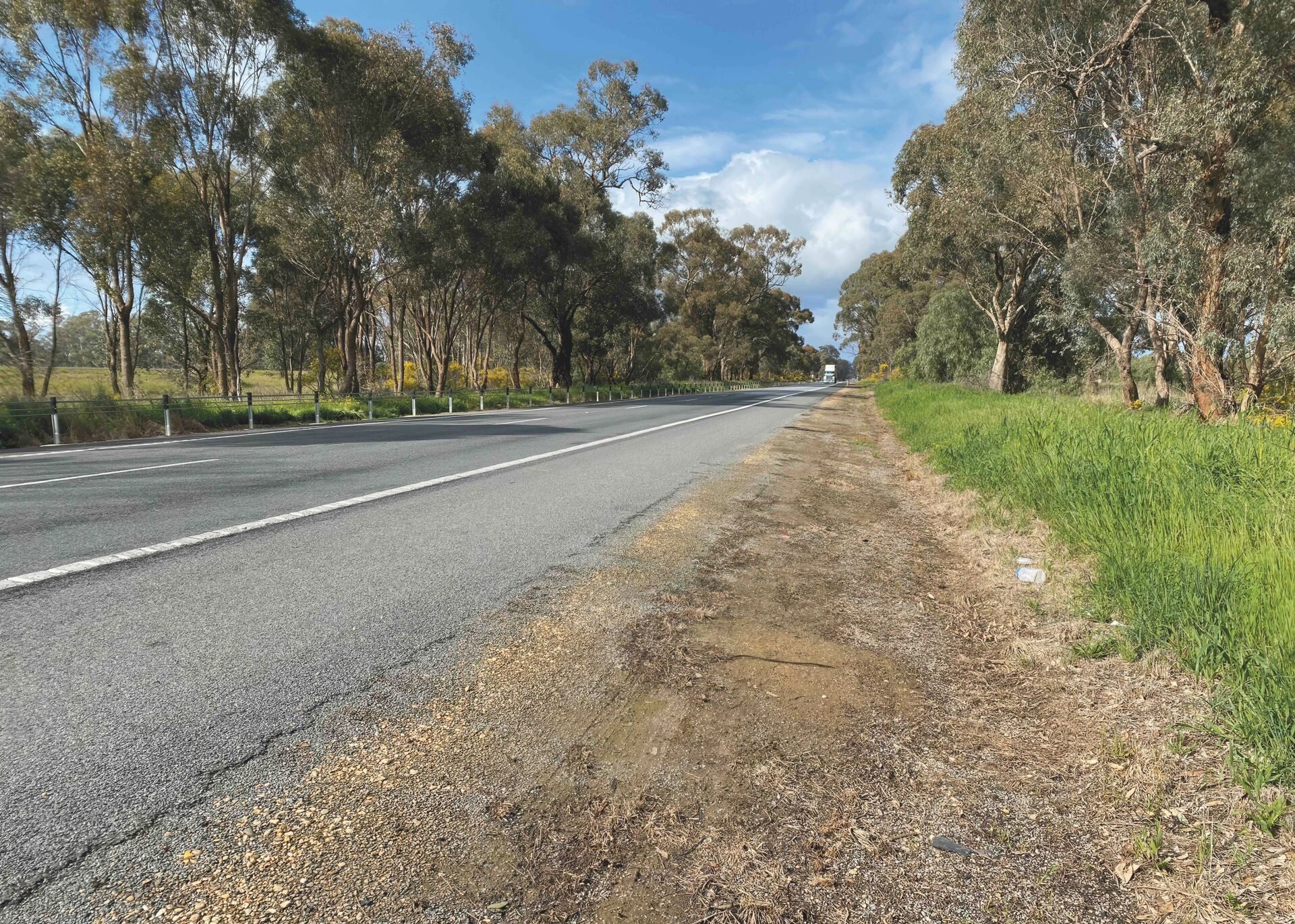
    Proactive vegetation management ahead of Australia’s summer fire season is being used across roadsides, rail corridors, utility easements and substations to reduce fuel loads before high temperatures and wind elevate ignition risk. Envu is promoting longer-residual herbicide programmes and targeted application regimes to cut repeated slashing and spraying cycles, freeing maintenance crews and reducing machinery exposure on narrow shoulders and ballast shoulders. For asset owners, the approach supports line‑of‑sight for motorists and signalling, protects overhead and underground services, and can be integrated into annual corridor inspection schedules.

    UK infrastructure unprepared for climate impacts: design priorities for engineers
    Hazards
    2 days ago

    UK infrastructure unprepared for climate impacts: design priorities for engineers

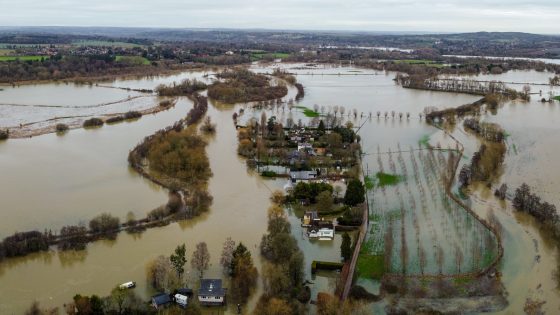
    MPs have warned that UK infrastructure is not prepared for more frequent flooding, heatwaves, droughts and wildfires, citing particular risks to rail lines, trunk roads and emergency response networks. The debate in Parliament focused on transport corridors vulnerable to track buckling and road surface failure in extreme heat, as well as drainage systems already struggling with intense rainfall events. Engineers can expect growing political pressure for climate-resilience upgrades, including higher design temperatures, increased flood capacity and more robust emergency access routes.

    Related Industries & Products

    Construction

    Quality control software for construction companies with material testing, batch tracking, and compliance management.

    Mining

    Geotechnical software solutions for mining operations including CMRR analysis, hydrogeological testing, and data management.

    QCDB-io

    Comprehensive quality control database for manufacturing, tunnelling, and civil construction with UCS testing, PSD analysis, and grout mix design management.

    AllGeotechnicalMiningInfrastructureMaterialsHazardsEnvironmentalSoftwarePolicy