Geomechanics.io

  • Free Tools
Sign UpLog In
AllGeotechnicalMiningInfrastructureMaterialsHazardsEnvironmentalSoftwarePolicy

Geomechanics.io

Geomechanics, Streamlined.

© 2026 Geomechanics.io. All rights reserved.

Geomechanics.io

CMRR-ioGEODB-ioHYDROGEO-ioQCDB-ioFree Tools & CalculatorsBlogLatest Industry News

Industries

MiningConstructionTunnelling

Company

Terms of UsePrivacy PolicyLinkedIn
    Research
    Safety

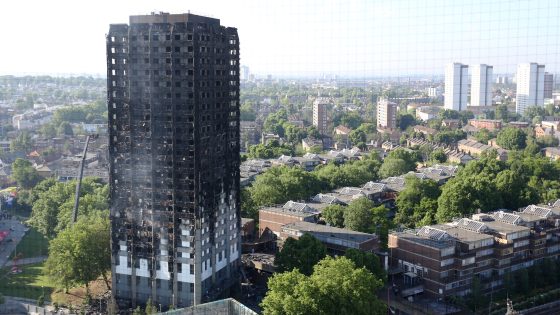
    University of Hertfordshire Grenfell ‘chimney effect’: façade fire lessons for engineers

    November 4, 2026|

    Reviewed by Tom Sullivan

    University of Hertfordshire Grenfell ‘chimney effect’: façade fire lessons for engineers

    First reported on New Civil Engineer

    30 Second Briefing

    Researchers at the University of Hertfordshire are launching a detailed investigation into the façade “chimney effect” that allowed flames and smoke to race up Grenfell Tower’s cladding system in 2017. The work will focus on how ventilated cavity geometry, insulation and cladding panel configuration influenced vertical fire spread and smoke movement. Findings are expected to inform future façade fire engineering, including cavity barrier design, material selection and test methods for high-rise residential towers.

    Technical Brief

    • Work is framed around façade cavity “chimney effect” behaviour rather than internal compartment fire dynamics.
    • Researchers are expected to combine post-incident forensic evidence with analytical and numerical fire modelling of façades.
    • Experimental work is likely to involve scaled façade rigs to replicate vertical cavity flows and flame spread.
    • Outputs are intended to support revisions to façade fire-testing protocols and performance-based design guidance.
    • Findings are expected to inform placement and detailing of cavity barriers in high-rise residential refurbishments.
    • Scope is limited to façade-driven external fire spread mechanisms, not whole-building evacuation or structural response.

    Our Take

    University of Hertfordshire appears in our database both for transport-oriented masterplanning work and for this Grenfell-related hazards research, signalling that its built environment group is influencing UK thinking on safety from early-stage planning through to fire performance of completed structures.

    Because New Civil Engineer is also curating awards and early-career challenges in our coverage, its involvement here suggests that findings from the Hertfordshire study could quickly filter into best-practice guidance, CPD content and award criteria for UK structural and fire engineers.

    Geotechnical Software for Modern Teams

    Centralise site data, logs, and lab results with GEODB-io, CMRR-io, and HYDROGEO-io.

    No credit card required.

    • Save and export unlimited calculations
    • Advanced data visualisation
    • Generate professional PDF reports
    • Cloud storage for all your projects

    Prepared by collating external sources, AI-assisted tools, and Geomechanics.io’s proprietary mining database, then reviewed for technical accuracy & edited by our geotechnical team.

    Related Articles
    Nepal floods and hydropower: design and risk lessons for dam engineers
    Hazards
    2 days ago

    Nepal floods and hydropower: design and risk lessons for dam engineers

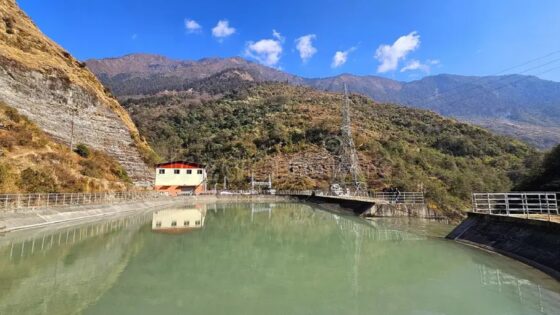
    August’s glacial lake outburst flood on the Nepal–Tibet border destroyed multiple run-of-river hydropower schemes and downstream settlements, killing about 1,500 people and leaving thousands missing. Early reports point to dam overtopping, inadequate spillway capacity for extreme inflows, and limited real-time monitoring of upstream lakes and debris-laden surges. Designers and operators are now under pressure to revisit probable maximum flood assumptions, freeboard allowances, and emergency drawdown and warning protocols for high-altitude hydropower corridors.

    Envu vegetation management: fire-season risk and access lessons for asset engineers
    Hazards
    2 days ago

    Envu vegetation management: fire-season risk and access lessons for asset engineers

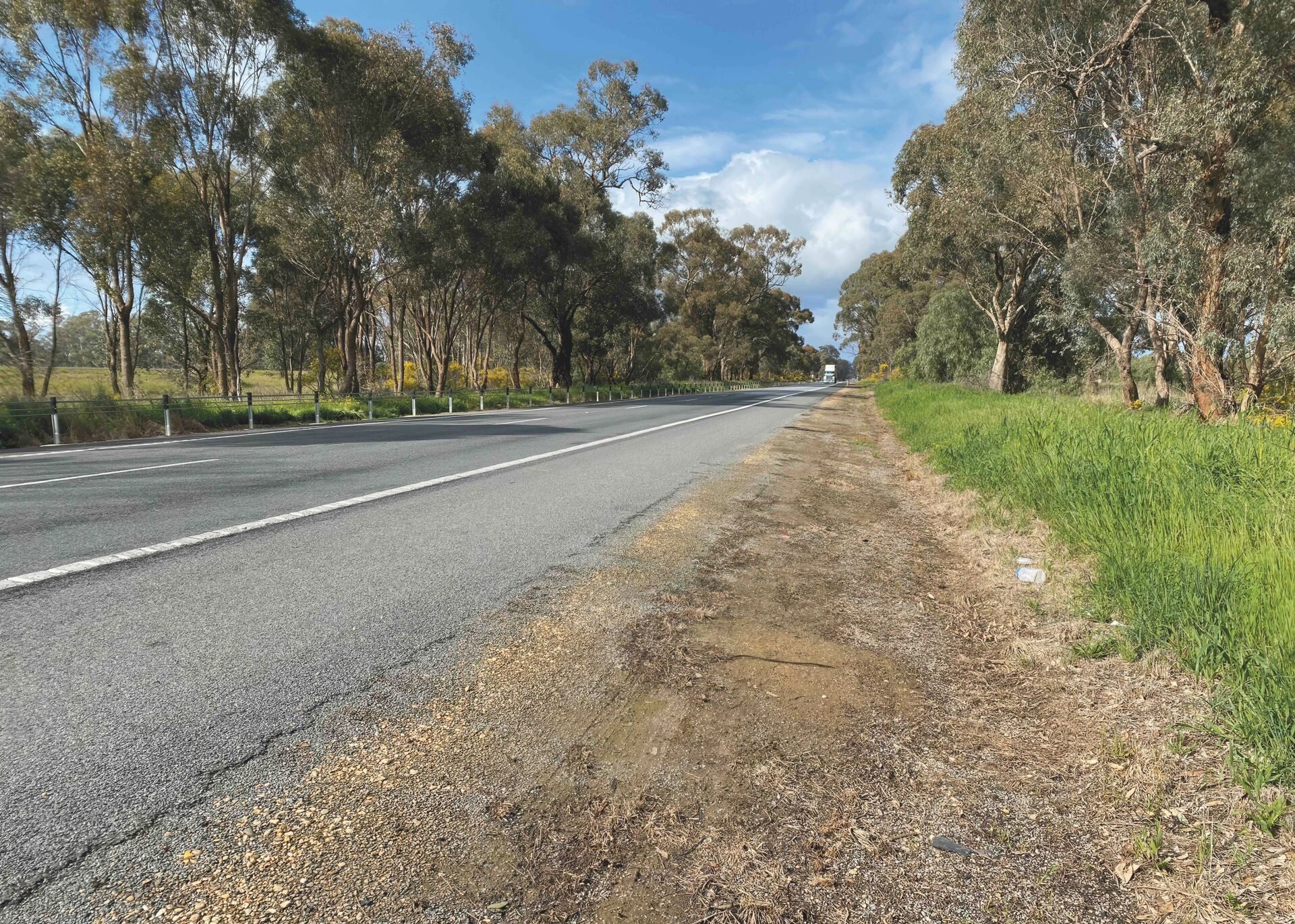
    Proactive vegetation management ahead of Australia’s summer fire season is being used across roadsides, rail corridors, utility easements and substations to reduce fuel loads before high temperatures and wind elevate ignition risk. Envu is promoting longer-residual herbicide programmes and targeted application regimes to cut repeated slashing and spraying cycles, freeing maintenance crews and reducing machinery exposure on narrow shoulders and ballast shoulders. For asset owners, the approach supports line‑of‑sight for motorists and signalling, protects overhead and underground services, and can be integrated into annual corridor inspection schedules.

    UK infrastructure unprepared for climate impacts: design priorities for engineers
    Hazards
    2 days ago

    UK infrastructure unprepared for climate impacts: design priorities for engineers

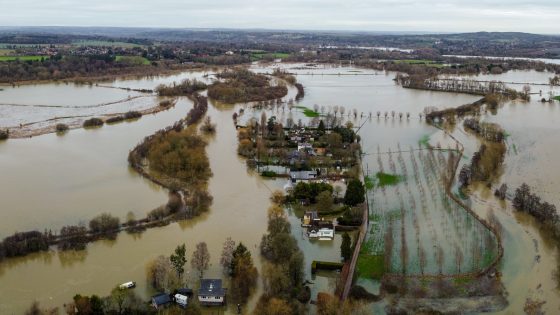
    MPs have warned that UK infrastructure is not prepared for more frequent flooding, heatwaves, droughts and wildfires, citing particular risks to rail lines, trunk roads and emergency response networks. The debate in Parliament focused on transport corridors vulnerable to track buckling and road surface failure in extreme heat, as well as drainage systems already struggling with intense rainfall events. Engineers can expect growing political pressure for climate-resilience upgrades, including higher design temperatures, increased flood capacity and more robust emergency access routes.

    Related Industries & Products

    Construction

    Quality control software for construction companies with material testing, batch tracking, and compliance management.

    Mining

    Geotechnical software solutions for mining operations including CMRR analysis, hydrogeological testing, and data management.

    CMRR-io

    Streamline coal mine roof stability assessments with our cloud-based CMRR software featuring automated calculations, multi-scenario analysis, and collaborative workflows.

    HYDROGEO-io

    Comprehensive hydrogeological testing platform for managing, analysing, and reporting on packer tests, lugeon values, and hydraulic conductivity assessments.

    GEODB-io

    Centralised geotechnical data management solution for storing, accessing, and analysing all your site investigation and material testing data.