Geomechanics.io

  • Free Tools
Sign UpLog In

Geomechanics.io

Geomechanics, Streamlined.

© 2026 Geomechanics.io. All rights reserved.

Geomechanics.io

CMRR-ioGEODB-ioHYDROGEO-ioQCDB-ioFree Tools & CalculatorsBlogLatest Industry News

Industries

MiningConstructionTunnelling

Company

Terms of UsePrivacy PolicyLinkedIn
    AllGeotechnicalMiningInfrastructureMaterialsHazardsEnvironmentalSoftwarePolicy
    Projects
    Sustainability

    UK geothermal as mainstream heat: design and monitoring notes for engineers

    February 9, 2026|

    Reviewed by Tom Sullivan

    UK geothermal as mainstream heat: design and monitoring notes for engineers

    First reported on New Civil Engineer

    30 Second Briefing

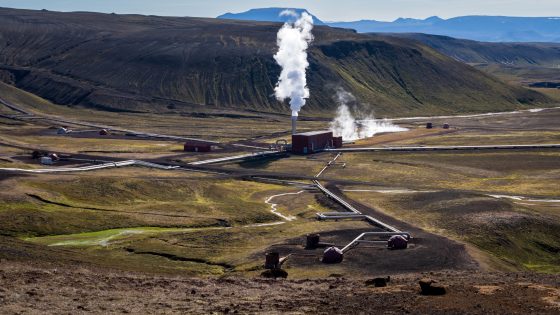
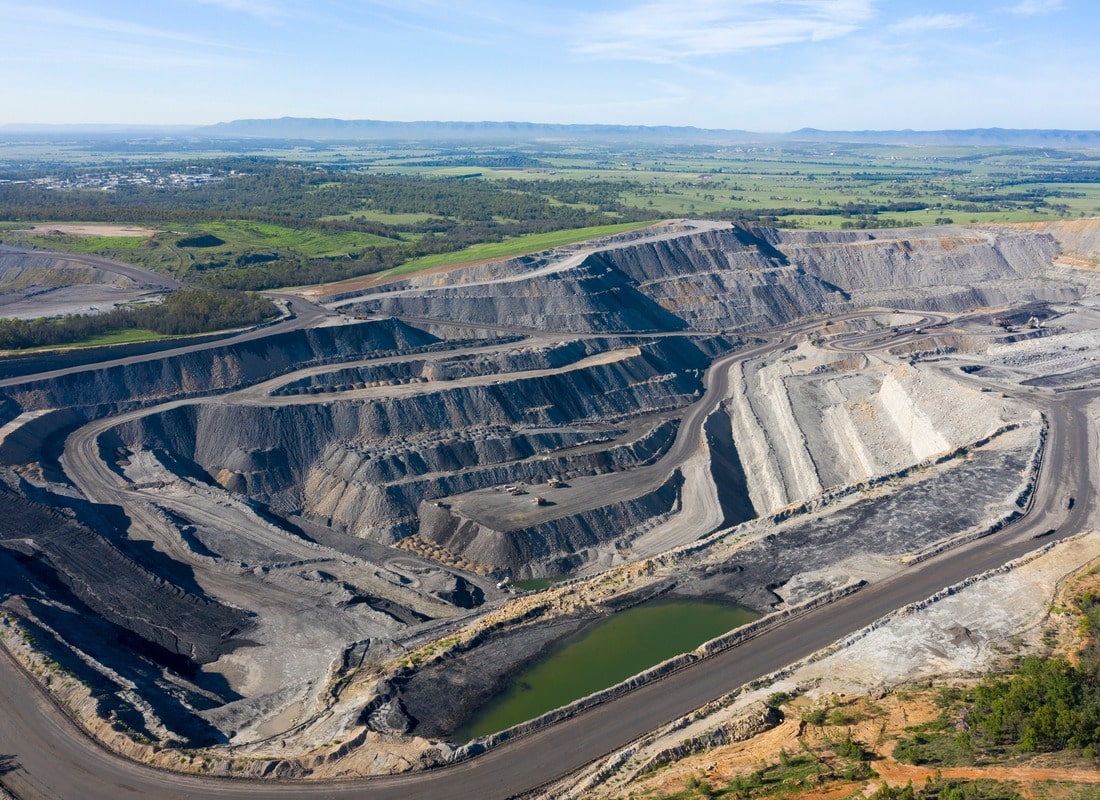
    Britain is being urged to treat deep and shallow geothermal as a mainstream heat source, with a new national roadmap arguing that the country’s substantial but underused subsurface resource could displace a significant share of gas‑fired heating. The plan points to proven concepts such as mine‑water geothermal in former coalfields and district heating from deep sedimentary aquifers, which can be integrated with existing heat networks and large heat pumps. For civil and geotechnical engineers, this signals growing demand for high‑temperature boreholes, well integrity design and long‑term monitoring of thermal–hydraulic behaviour in urban ground.

    Technical Brief

    • Roadmap links geothermal build‑out to local employment in drilling, well services, civils and heat‑network construction.

    Geotechnical Software for Modern Teams

    Centralise site data, logs, and lab results with GEODB-io, CMRR-io, and HYDROGEO-io.

    No credit card required.

    • Save and export unlimited calculations
    • Advanced data visualisation
    • Generate professional PDF reports
    • Cloud storage for all your projects

    Prepared by collating external sources, AI-assisted tools, and Geomechanics.io’s proprietary mining database, then reviewed for technical accuracy & edited by our geotechnical team.

    Related Articles
    PFAS ‘forever chemicals’: design and risk implications for civil engineers
    Environmental
    1 day ago

    PFAS ‘forever chemicals’: design and risk implications for civil engineers

    Per- and polyfluoroalkyl substances (PFAS) are shifting from a niche contamination issue to a core design constraint for water, wastewater and brownfield infrastructure, as regulators tighten limits on “forever chemicals” in soil and groundwater. Civil engineers are being pushed to integrate PFAS-specific measures such as high-pressure membrane treatment, granular activated carbon and specialised landfill liners into drainage, flood defence and remediation schemes. The trend signals more complex risk assessments, higher lifecycle costs and potential redesign of legacy assets where PFAS-impacted leachate or run-off was not previously considered.

    UK sponge city strategies: design and SuDS lessons for civil engineers
    Environmental
    7 days ago

    UK sponge city strategies: design and SuDS lessons for civil engineers

    Sponge city strategies are gaining momentum in the UK as Ciwem’s recent Sponge Cities briefing note calls for widespread deployment of nature-based, water-retentive urban design. The concept centres on retrofitting streets, roofs and public spaces with permeable pavements, rain gardens, swales and green roofs to attenuate stormwater, reduce combined sewer overflows and manage surface water flooding. For civil and geotechnical engineers, this signals growing demand for SuDS-led masterplanning, hydraulic modelling of blue–green corridors and revised pavement and subgrade specifications to accommodate higher infiltration and storage.

    Managed aquifer recharge for UK floods and droughts: design notes for engineers
    Environmental
    12 days ago

    Managed aquifer recharge for UK floods and droughts: design notes for engineers

    Stormwater engineer David Schofield argues that large-scale managed aquifer recharge (MAR) using infiltration basins and recharge wells could simultaneously reduce UK surface-water flood peaks and bolster drought resilience. He points to schemes where storm flows are diverted from combined sewers into gravel-filled soakaways and deep injection wells, storing millions of cubic metres in permeable chalk and sandstone rather than building ever-larger attenuation tanks. For geotechnical and civil designers, MAR shifts focus towards subsurface storage capacity, soil permeability, groundwater mounding, and long-term water quality monitoring.

    Related Industries & Products

    Construction

    Quality control software for construction companies with material testing, batch tracking, and compliance management.

    Mining

    Geotechnical software solutions for mining operations including CMRR analysis, hydrogeological testing, and data management.

    QCDB-io

    Comprehensive quality control database for manufacturing, tunnelling, and civil construction with UCS testing, PSD analysis, and grout mix design management.