Geomechanics.io

  • Free Tools
Sign UpLog In

Geomechanics.io

Geomechanics, Streamlined.

© 2026 Geomechanics.io. All rights reserved.

Geomechanics.io

CMRR-ioGEODB-ioHYDROGEO-ioQCDB-ioFree Tools & CalculatorsBlogLatest Industry News

Industries

MiningConstructionTunnelling

Company

Terms of UsePrivacy PolicyLinkedIn
    AllGeotechnicalMiningInfrastructureMaterialsHazardsEnvironmentalSoftwarePolicy
    Product
    Standard/Guideline
    Sustainability

    One COLAS Bitumen (OCB): implications for Australian pavement design and QA

    November 30, 2025|

    Reviewed by Tom Sullivan

    One COLAS Bitumen (OCB): implications for Australian pavement design and QA

    First reported on Roads & Infrastructure (AU)

    30 Second Briefing

    SAMI Bitumen Technologies’ parent company COLAS is rolling out its ‘One COLAS Bitumen’ (OCB) framework to standardise bitumen binders, emulsions and polymer-modified products across its global network of terminals and laboratories. Shared specifications, mix designs and performance testing protocols allow Australian road projects to draw directly on European and North American experience with low-temperature binders, warm-mix additives and high-recycled asphalt content. For pavement designers and asset owners, this means more consistent binder behaviour across climates, faster validation of new formulations and clearer pathways to lower‑carbon surfacings.

    Technical Brief

    • ‘One COLAS Bitumen’ is framed as a single, group-wide principle governing all binder activities.
    • COLAS positions its global scale as a responsibility, linking product choices to long‑term environmental impact.

    Our Take

    Among the few Materials stories in our coverage, SAMI Bitumen Technologies stands out as one of the more specialised Australian players, suggesting its practices could become a reference point for local road agencies looking to align with emerging sustainability standards.

    With this piece tagged under Product, Standard/Guideline and Sustainability, it sits alongside a cluster of 89 similar items where suppliers are increasingly expected to demonstrate compliance with formal road construction guidelines rather than just promote performance claims.

    COLAS’ presence in an Australia-focused Materials article signals that global road groups are actively shaping local specifications and sustainability benchmarks, which can influence how state and territory transport departments update their bitumen and asphalt standards over the next revision cycles.

    Geotechnical Software for Modern Teams

    Centralise site data, logs, and lab results with GEODB-io, CMRR-io, and HYDROGEO-io.

    No credit card required.

    • Save and export unlimited calculations
    • Advanced data visualisation
    • Generate professional PDF reports
    • Cloud storage for all your projects

    Prepared by collating external sources, AI-assisted tools, and Geomechanics.io’s proprietary mining database, then reviewed for technical accuracy & edited by our geotechnical team.

    Related Articles
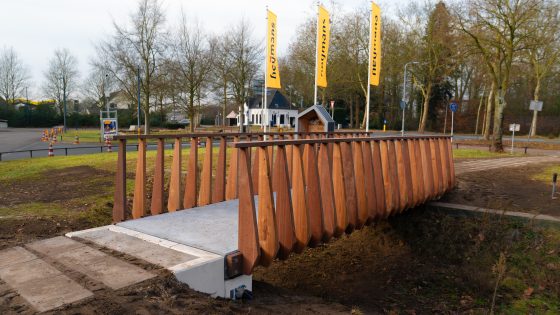
    World’s first CO₂‑neutral concrete bridge: design and verification notes for engineers
    Materials
    about 23 hours ago

    World’s first CO₂‑neutral concrete bridge: design and verification notes for engineers

    A 7m pedestrian bridge in the Netherlands has been unveiled as the world’s first using a concrete mix claimed to be CO₂‑neutral over its life cycle. Developers report that the binder system and aggregate selection are engineered so that production and curing emissions are fully offset by in‑service CO₂ uptake, without relying on external carbon credits. For designers, the project signals that carbon‑neutral structural concrete is moving from lab trials to full‑scale applications, raising immediate questions on durability testing, Eurocode compliance and verification of whole‑life carbon accounting.

    Monash critical minerals recovery: hydrometallurgy takeaways for plant design
    Materials
    1 day ago

    Monash critical minerals recovery: hydrometallurgy takeaways for plant design

    Researchers at Monash University have developed a hydrometallurgical process to recover high‑purity critical metals from spent lithium‑ion batteries using greener reagents than conventional strong mineral acids. Led by PhD student Parisa Biniaz and Dr Parama Banerjee, the lab‑scale method targets elements such as lithium, cobalt and nickel from shredded cathode material while minimising secondary waste streams. The approach points to lower‑impact recycling flowsheets that could reduce reliance on primary ore for battery metals and change leach chemistry assumptions in future plant design.

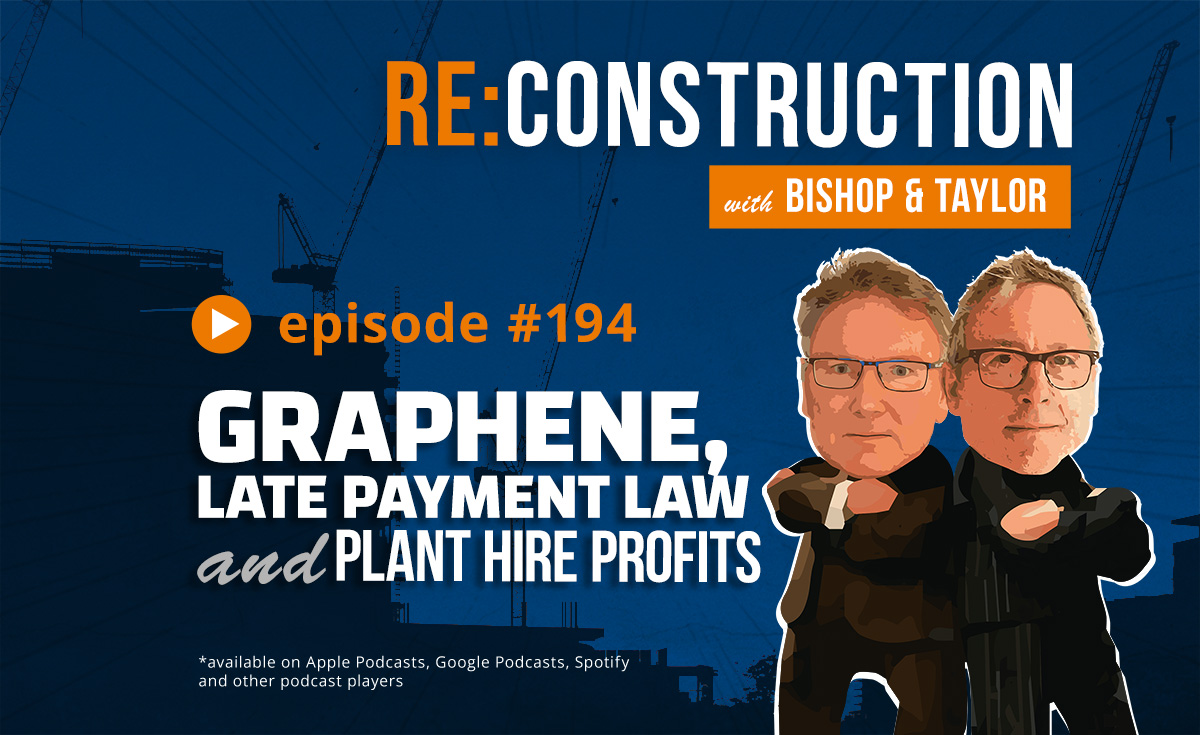
    Re:Construction podcast 194: graphene concrete, payment law and plant margins for engineers
    Materials
    2 days ago

    Re:Construction podcast 194: graphene concrete, payment law and plant margins for engineers

    Versarien’s collapse puts its Cementene graphene-enhanced concrete admixture in doubt, raising questions over whether graphene additives can achieve consistent performance, certification and cost benefits in mainstream construction mixes. The UK Supreme Court’s Providence v Hexagon ruling is described as a landmark for late payment law, with implications for drafting and enforcing construction payment terms and adjudication strategies. A young plant hire firm in northeast England is reported to be achieving around 40% pre-tax margins, signalling strong demand and tight fleet management in regional equipment supply.

    Related Industries & Products

    Construction

    Quality control software for construction companies with material testing, batch tracking, and compliance management.

    Mining

    Geotechnical software solutions for mining operations including CMRR analysis, hydrogeological testing, and data management.

    QCDB-io

    Comprehensive quality control database for manufacturing, tunnelling, and civil construction with UCS testing, PSD analysis, and grout mix design management.