Geomechanics.io

  • Free Tools
Sign UpLog In

Geomechanics.io

Geomechanics, Streamlined.

© 2026 Geomechanics.io. All rights reserved.

Geomechanics.io

CMRR-ioGEODB-ioHYDROGEO-ioQCDB-ioFree Tools & CalculatorsBlogLatest Industry News

Industries

MiningConstructionTunnelling

Company

Terms of UsePrivacy PolicyLinkedIn
    Product
    Projects

    GBM Konect 2 for field data: key workflow and QA takeaways for civil engineers

    September 30, 2026|

    Reviewed by Joe Ashwell

    GBM Konect 2 for field data: key workflow and QA takeaways for civil engineers

    First reported on Roads & Infrastructure (AU)

    30 Second Briefing

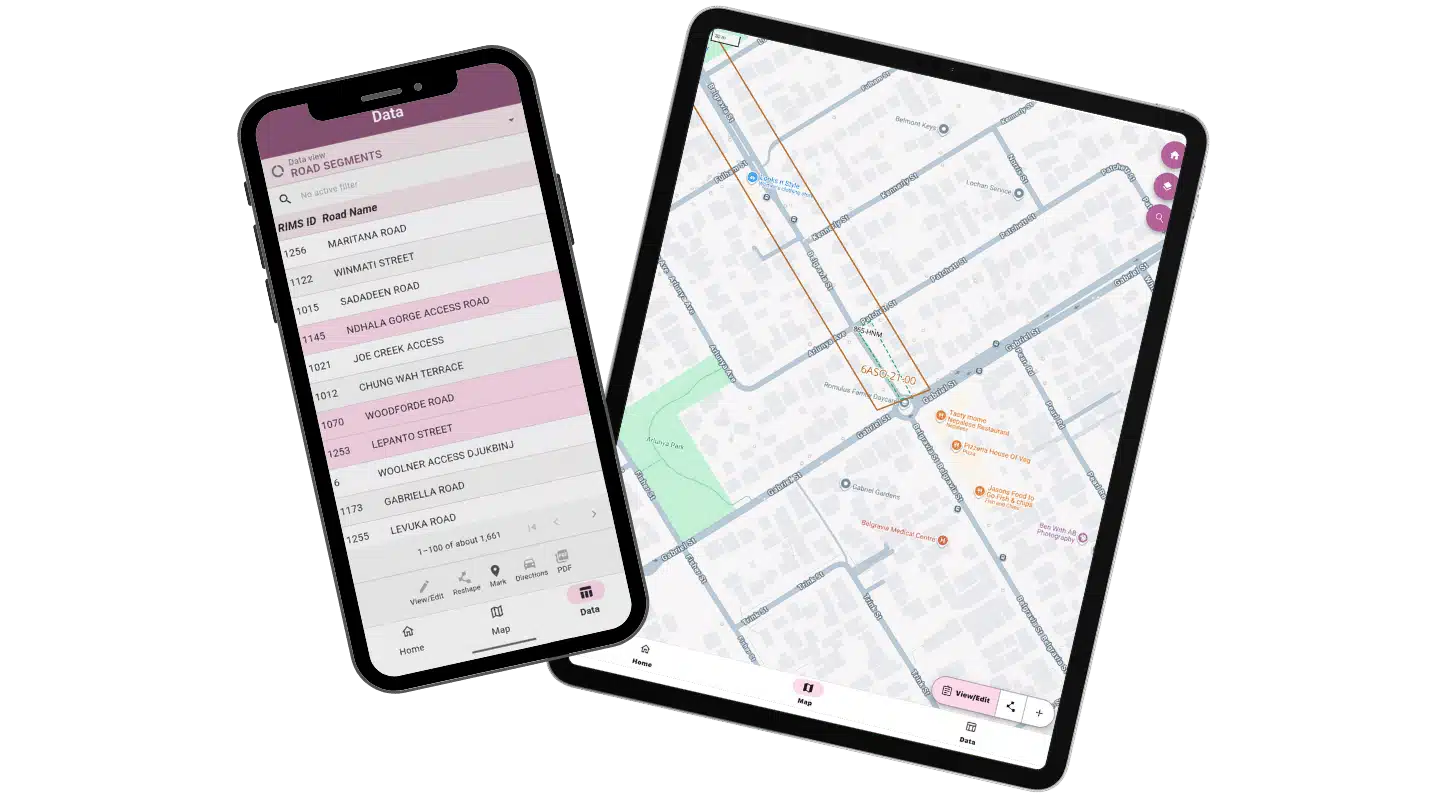
    GBM Konect has released Konect 2, a complete rebuild of its 15‑year‑old Australian field data capture and mobile mapping platform used on infrastructure sites and remote corridors with poor connectivity. The new version is designed to synchronise geospatial and asset data from tablets and phones to central systems once coverage is restored, reducing manual re‑entry and gaps between as‑built field records and office GIS/asset databases. For civil and road projects, this targets more reliable inspection, defect logging and construction QA data directly from the workfront.

    Technical Brief

    • Original GBM Konect was among the first mobile GIS tools designed for offline field workflows.
    • Workflow focus is on capturing geospatially referenced inspections directly at the workfront, not post‑hoc digitisation.
    • Data model is oriented around asset registers and condition attributes rather than generic forms-only capture.
    • Design intent is to minimise double‑handling between field tablets/phones and central GIS/asset systems.

    Our Take

    GBM Konect’s role as the core field and asset platform for Banyule City Council and the City of Bendigo in our database suggests Konect 2 is likely being shaped around local‑government road and drainage workflows rather than generic field apps.

    With 36 Software stories in our coverage, GBM Konect stands out as one of the few Australian‑grown field data platforms with more than a decade of continuous use, which can reduce change‑management risk for councils and contractors compared with newer SaaS entrants.

    The long service duration in Australian field operations means Konect 2 will need to preserve backward compatibility with existing council asset systems highlighted in Bendigo’s deployment, signalling a focus on integration and migration rather than a clean‑slate rebuild.

    Geotechnical Software for Modern Teams

    Centralise site data, logs, and lab results with GEODB-io, CMRR-io, and HYDROGEO-io.

    No credit card required.

    • Save and export unlimited calculations
    • Advanced data visualisation
    • Generate professional PDF reports
    • Cloud storage for all your projects

    Prepared by collating external sources, AI-assisted tools, and Geomechanics.io’s proprietary mining database, then reviewed for technical accuracy & edited by our geotechnical team.

    Related Articles

    Hitachi names nine startup finalists: autonomy and data takeaways for site engineers
    Software
    1 day ago

    Hitachi names nine startup finalists: autonomy and data takeaways for site engineers

    Hitachi Construction Machinery has shortlisted nine startups from 139 applicants to pitch autonomous and digital site solutions at its LANDCROS Innovation Studios Challenge Europe 2026 event in Amsterdam. Finalists will present tools ranging from AI-driven fleet coordination and remote monitoring platforms to sensor-based productivity analytics aimed at optimising earthmoving cycles and machine utilisation on large infrastructure sites. Outcomes could influence how Hitachi specifies future connected plant, data interfaces and autonomy-ready equipment for European contractors and quarry operators.

    Software
    1 day ago

    Achilles Site Control for contractor compliance: key HSE takeaways for mine operators

    Achilles has launched Site Control, an AI‑powered contractor and site compliance platform that combines intelligent automation with its existing health and safety prequalification data to manage workforce access and documentation in real time. The system centralises contractor requirements, automates verification of permits, training and insurance, and flags non‑compliance before personnel arrive on site, reducing manual gate checks and spreadsheet‑based tracking. For mine operators running multi‑contractor sites, this offers tighter control of HSE obligations and a clearer audit trail for regulators and principal contractor duties.

    On‑premises AI for civil assets: sovereignty and compliance takeaways
    Software
    2 days ago

    On‑premises AI for civil assets: sovereignty and compliance takeaways

    More than half of large organisations surveyed by Schneider Electric plan to own at least part of the compute, storage and networking stack used to run AI workloads, driven by data privacy, security and regulatory constraints. Respondents cited data sovereignty and compliance with sector-specific rules as key reasons to keep inference and training infrastructure on-premises or in dedicated colocation, rather than relying solely on hyperscale public cloud. For civil and infrastructure operators, this points to AI systems for asset monitoring and SCADA remaining tightly integrated with existing on-site data centres and control rooms.

    Related Industries & Products

    Construction

    Quality control software for construction companies with material testing, batch tracking, and compliance management.

    Mining

    Geotechnical software solutions for mining operations including CMRR analysis, hydrogeological testing, and data management.

    QCDB-io

    Comprehensive quality control database for manufacturing, tunnelling, and civil construction with UCS testing, PSD analysis, and grout mix design management.

    AllGeotechnicalMiningInfrastructureMaterialsHazardsEnvironmentalSoftwarePolicy