FibreCoat zinc coating for reinforced concrete: durability lens for asset designers
Reviewed by Joe Ashwell
First reported on The Construction Index
30 Second Briefing
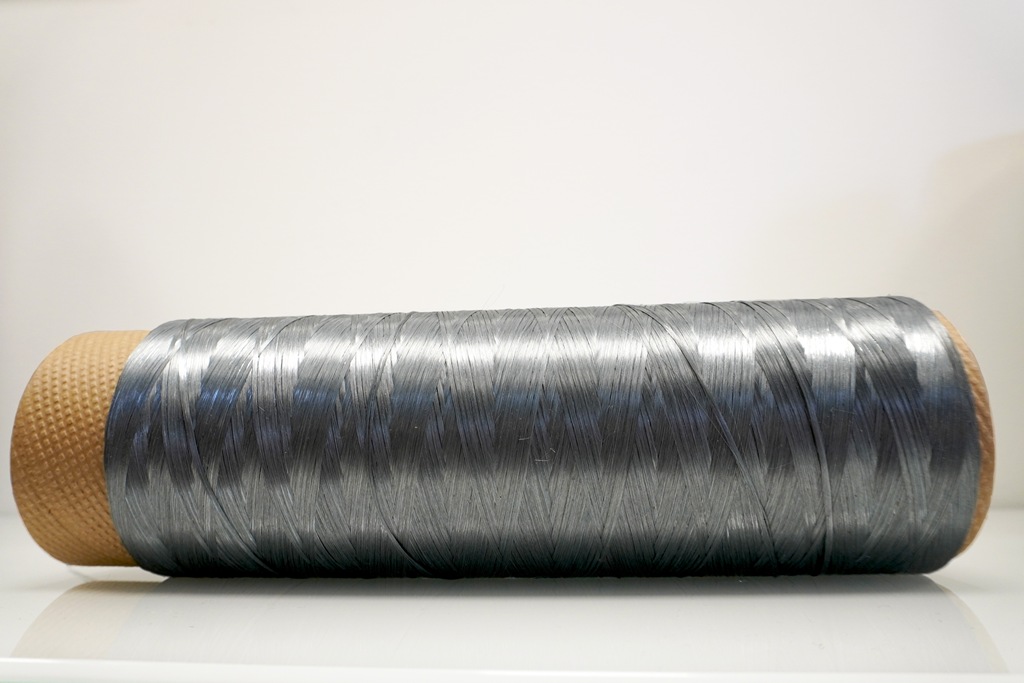
German materials firm FibreCoat has developed zinc-coated fibres for use in reinforced concrete, claiming cathodic corrosion protection for embedded steel in highly alkaline environments where aluminium rapidly degrades. Dispersed within concrete mixes for marine and coastal structures, the zinc fibres could, subject to testing, extend asset service life by 20–30 years at a fraction of the cost of titanium fibre reinforcement. Chief executive Robert Brüll positions the heavier, less reflective zinc coating as a structural, durability-focused alternative for multi-storey car parks, docks, ports and bridges.
Technical Brief
- FibreCoat applies zinc directly during fibre-spinning, metallising filaments in-line rather than post-processing.
- The process combines metallic zinc with carrier fibres, aiming to merge tensile capacity and sacrificial anode behaviour.
- Chemical stability is targeted specifically for highly alkaline pore solutions where aluminium coatings rapidly deteriorate.
- Dispersed zinc fibres are intended to act as distributed cathodic protection, not just discrete anode inserts.
- FibreCoat positions the product for both renovation overlays and full-depth new-build concrete elements.
- Heavier, less reflective zinc finish is pitched where robustness matters more than electrical or thermal conductivity.
- Aluminium is explicitly retained for aerospace and electrical uses, with zinc framed as a civil-structural alternative.
Our Take
A potential 20–30‑year extension of marine and coastal asset life materially alters whole‑life carbon and cost calculations for reinforced concrete, which could make FibreCoat’s zinc and aluminium solutions attractive for UK and German infrastructure owners facing tightening durability and sustainability standards.
Within our Materials coverage, most zinc- and titanium-tagged pieces focus on alloy development or coatings for steel rather than fibre-based reinforcement, so FibreCoat’s approach signals a niche route for corrosion mitigation that could complement, rather than replace, conventional galvanising in harsh environments.
For asset managers in Germany and the United Kingdom, such lifespan gains would likely support deferral of major refurbishment cycles on port, bridge and coastal defence structures, freeing capex for new-build works while still meeting resilience requirements under evolving climate-exposure scenarios.
Prepared by collating external sources, AI-assisted tools, and Geomechanics.io’s proprietary mining database, then reviewed for technical accuracy & edited by our geotechnical team.
Related Articles


Related Industries & Products
Construction
Quality control software for construction companies with material testing, batch tracking, and compliance management.
Mining
Geotechnical software solutions for mining operations including CMRR analysis, hydrogeological testing, and data management.
CMRR-io
Streamline coal mine roof stability assessments with our cloud-based CMRR software featuring automated calculations, multi-scenario analysis, and collaborative workflows.
HYDROGEO-io
Comprehensive hydrogeological testing platform for managing, analysing, and reporting on packer tests, lugeon values, and hydraulic conductivity assessments.
GEODB-io
Centralised geotechnical data management solution for storing, accessing, and analysing all your site investigation and material testing data.