Geomechanics.io

  • Free Tools
Sign UpLog In

Geomechanics.io

Geomechanics, Streamlined.

© 2026 Geomechanics.io. All rights reserved.

Geomechanics.io

CMRR-ioGEODB-ioHYDROGEO-ioQCDB-ioFree Tools & CalculatorsBlogLatest Industry News

Industries

MiningConstructionTunnelling

Company

Terms of UsePrivacy PolicyLinkedIn
    AllGeotechnicalMiningInfrastructureMaterialsHazardsEnvironmentalSoftwarePolicy
    Standard/Guideline
    Projects

    Scrapping NSIP pre-application consultation: programme and risk notes for project teams

    July 3, 2026|

    Reviewed by Tom Sullivan

    Scrapping NSIP pre-application consultation: programme and risk notes for project teams

    First reported on New Civil Engineer

    30 Second Briefing

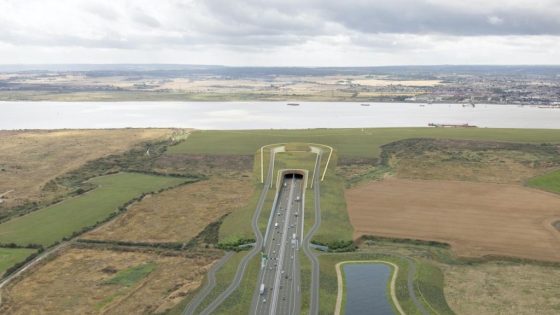
    Mandatory pre-application consultation for nationally significant infrastructure projects (NSIPs) is being scrapped by the UK government, which claims this could cut pre-application timelines by up to 12 months. Ministers estimate the change will save promoters around £1bn across major schemes such as energy, transport and water infrastructure that currently pass through the Development Consent Order regime. Developers may gain programme certainty and earlier start dates for large projects, while local authorities and communities will need to rely more heavily on examination-stage engagement and statutory environmental assessments.

    Technical Brief

    • Promoters will still need to satisfy statutory environmental assessment and habitats regulations during pre-application design.
    • Community input is likely to concentrate into the statutory examination window, compressing time for responding design changes.
    • Front‑loaded geotechnical and civil design may proceed further at risk before clear stakeholder positions are known.
    • For complex ground or tunnelling schemes, reduced early engagement could increase later design iteration and land access disputes.

    Our Take

    A potential 12‑month cut in pre‑application time for NSIPs will interact directly with the ‘data handover gap’ issues highlighted in New Civil Engineer’s BIM/webinar coverage, as compressed front‑end programmes often leave less time to structure information for downstream asset management.

    Geotechnical Software for Modern Teams

    Centralise site data, logs, and lab results with GEODB-io, CMRR-io, and HYDROGEO-io.

    No credit card required.

    • Save and export unlimited calculations
    • Advanced data visualisation
    • Generate professional PDF reports
    • Cloud storage for all your projects

    Prepared by collating external sources, AI-assisted tools, and Geomechanics.io’s proprietary mining database, then reviewed for technical accuracy & edited by our geotechnical team.

    Related Articles

    US Department of Energy $65.5M oil and gas push: infrastructure and digital twin lens
    Policy
    1 day ago

    US Department of Energy $65.5M oil and gas push: infrastructure and digital twin lens

    US Department of Energy is offering up to $65.5 million in cost-shared funding for projects that convert stranded, flared or contaminant-limited oil and gas streams into high-value, transportable products and field-test modular gas conversion and sour gas processing units in active basins. Additional funding targets advanced materials and equipment—compressors, valves, piping, storage tanks, coatings and alloys—to cut product losses and harden midstream infrastructure. A third track backs digital twins, continuous monitoring and full-scale smart test sites to optimise upstream and midstream operations, building on a separate $150 million programme for unconventional reservoirs and hydraulic fracture characterisation.

    Nista’s 2025–26 Major Projects report: planning constraints and delivery lessons for engineers
    Policy
    3 days ago

    Nista’s 2025–26 Major Projects report: planning constraints and delivery lessons for engineers

    Nista’s second Major Projects Annual Report, covering 1 April 2025 to 31 March 2026, reports improving delivery confidence on parts of the £700bn-plus National Infrastructure and Construction Pipeline but flags persistent schedule and cost risks on complex rail, energy and digital schemes. The authority backs tighter portfolio management, earlier constructability input and stronger use of digital twins and alliancing contracts, yet stops short of calling for statutory planning reform or changes to Development Consent Order processes. For engineers, the message is to plan for prolonged consenting and stakeholder engagement as a fixed constraint rather than a variable.

    Crucitas revival in Costa Rica: policy, royalties and ESG risks for mine planners
    Policy
    4 days ago

    Crucitas revival in Costa Rica: policy, royalties and ESG risks for mine planners

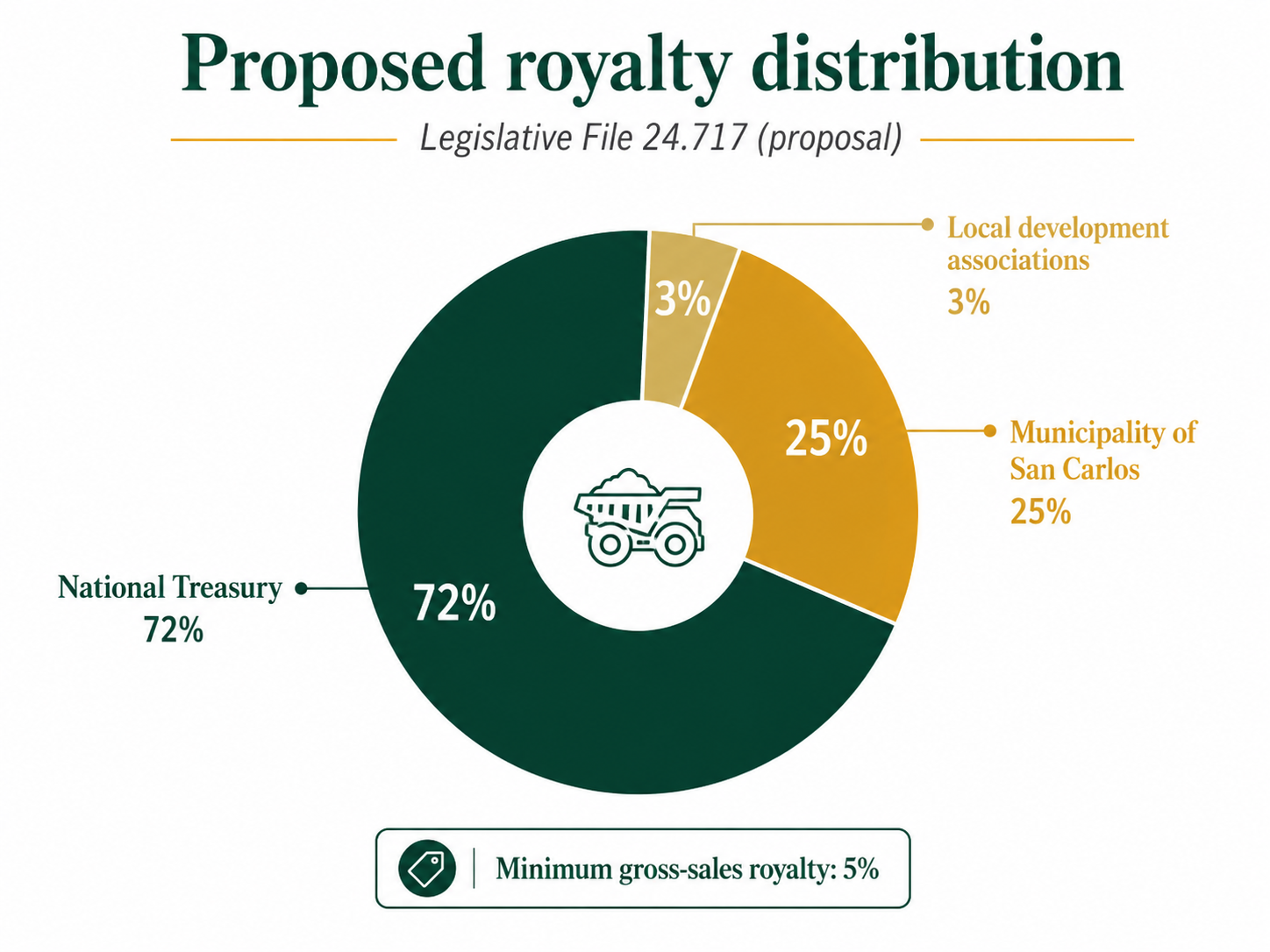
    Costa Rica’s President Laura Fernández is pushing Bill 24.717 to reopen the Crucitas gold deposit by allowing metallic mining only within the 84,800-hectare Cutris de San Carlos district, while keeping the national open-pit metal mining ban elsewhere. The bill proposes public auctions run by the Directorate of Geology and Mines, minimum 5% gross-sales royalties and strict technical, financial and environmental pre-qualification, aiming to displace mercury- and cyanide-based illegal mining. Analysts warn that investor interest will hinge less on Crucitas’ mid-sized geology and more on territorial control, gold traceability and long-term ESG and legal stability.

    Related Industries & Products

    Construction

    Quality control software for construction companies with material testing, batch tracking, and compliance management.

    Tunnelling

    Specialised solutions for tunnelling projects including grout mix design, hydrogeological analysis, and quality control.

    QCDB-io

    Comprehensive quality control database for manufacturing, tunnelling, and civil construction with UCS testing, PSD analysis, and grout mix design management.