Plug‑in solar panels in UK homes: safety and compliance lens for engineers
Reviewed by Tom Sullivan
First reported on The Construction Index
30 Second Briefing
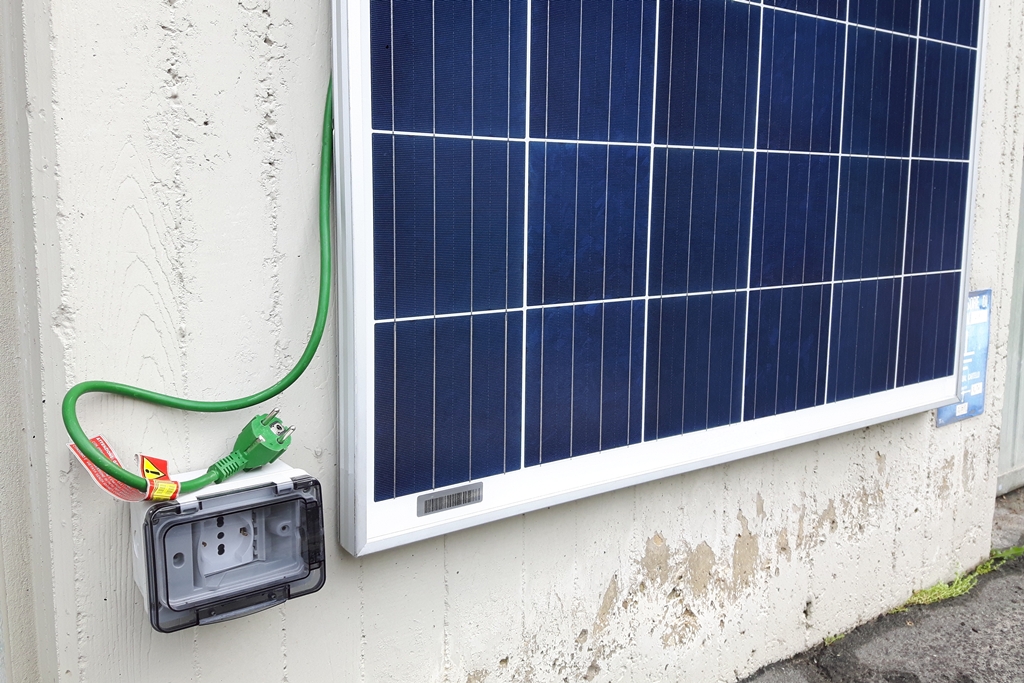
Government plans to promote supermarket-sold plug‑in solar panels, with Lidl preparing low-cost balcony units, are drawing strong safety warnings from Hollis energy director Stuart Patience and trade bodies ECA and NFRC. Concerns centre on non-competent DIY installation into unknown domestic circuits, lack of UK-specific product testing, fire risk from PV and potential add‑on battery storage (thermal runaway, unextinguishable high‑rise fires), and extra loading and combustibles on balconies. Critics argue current grid connection rules, building safety regimes and accreditation frameworks for rooftop and façade systems are not configured for mass plug‑in deployment.
Technical Brief
- ECA notes many imported plug-in kits use connectors and cables unsuited to prolonged UK outdoor exposure.
- ECA argues products are not designed for the UK’s “safety-led electrical framework” and should not be promoted.
- NFRC stresses rooftop PV is a roofing-system decision, yet current accreditation barely defines trade responsibility boundaries.
Our Take
Lidl’s move into plug-in balcony solar, highlighted in the 24 March 2026 related piece, brings a mass‑market retailer directly into what has historically been a specialist electrical contractor space in the UK, which is likely to test how far existing wiring regulations and product standards can safely accommodate DIY installation.
Within our 30 Hazards stories, most UK safety coverage has focused on workplace and construction‑site risk; bringing in consumer‑level products like plug‑in solar shifts part of the safety burden from firms such as ECA and NFRC members onto untrained householders, complicating liability and inspection regimes.
Prepared by collating external sources, AI-assisted tools, and Geomechanics.io’s proprietary mining database, then reviewed for technical accuracy & edited by our geotechnical team.